
Strait of Hormuz Security Alert 2026: Logistics Guide for Travelers and Maritime Transit
Rising tensions in the Strait of Hormuz following Iranian warnings to US naval vessels may impact regional flight paths and maritime itineraries. Learn how to manage your transit logistics during this period of instability.

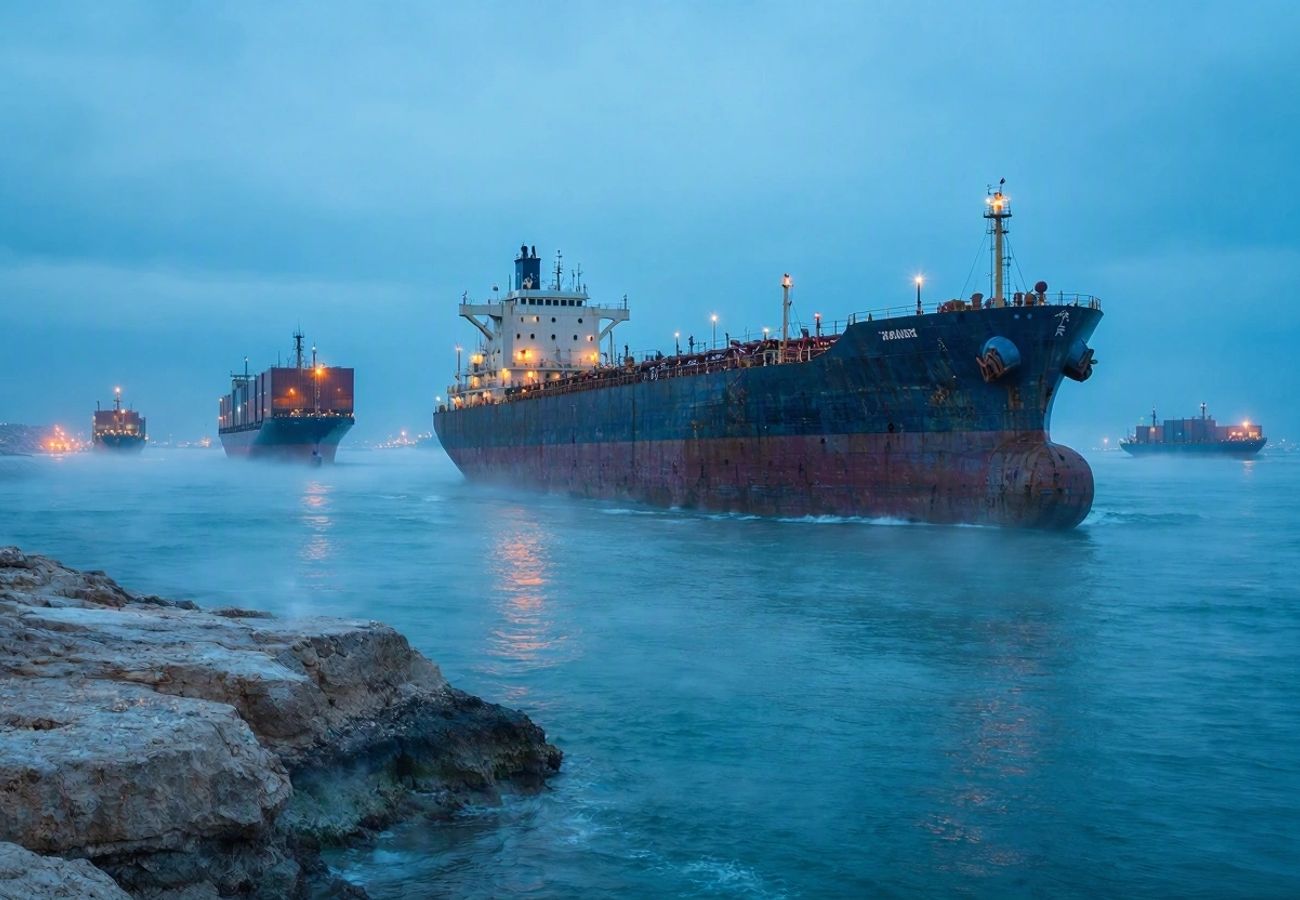
Image generated by AI
Are you planning a trip through the Persian Gulf or booking a cruise in the Middle East? Recent warnings from Iranian military leadership to United States warships regarding entry into the Persian Gulf have increased security scrutiny around the Strait of Hormuz, potentially impacting commercial transit and regional travel logistics.
The Strait of Hormuz Security Situation
The Strait of Hormuz serves as the primary artery connecting the Persian Gulf to the Gulf of Oman and the Indian Ocean. Because of its narrow shipping lanes, it is a global chokepoint for energy transport. Major General Ali Abdollahi of the Iranian military has issued explicit warnings against the entry of US naval vessels into the Gulf, creating a volatile environment for maritime operations.
Beyond military friction, reports have surfaced regarding two oil supertankers, carrying a combined total of more than 4.5 million barrels of crude oil, which allegedly struck naval mines while utilizing unauthorized routes. While these incidents primarily affect energy markets and cargo shipping, the ripple effects often extend to passenger aviation and cruise tourism through increased insurance premiums and revised security protocols.
Potential Transit and Route Disruptions
While passenger services have not been formally suspended, the strategic nature of this waterway means that any escalation typically triggers immediate changes in how airlines and cruise lines operate.
| Travel Sector | Potential Logistics Impact | Verification Source | Status |
|---|---|---|---|
| Commercial Aviation | Flight path rerouting and increased fuel burn | International Civil Aviation Organization (ICAO) | Monitoring |
| Cruise Tourism | Port call cancellations or itinerary shifts | Cruise Operator Notices | Monitoring |
| Maritime Freight | Higher insurance costs and vessel delays | International Maritime Organization (IMO) | Active Risk |
| Business Travel | Mandatory contingency planning and itinerary audits | Corporate Travel Policy / Govt Advisories | Precautionary |
| Regional Tourism | Shifts in visitor confidence and booking flexibility | Destination Management Orgs | Variable |
Traveler Logistics Guide
If you are currently booked on travel to or through the Gulf region, follow these step-by-step logistics strategies to mitigate risk:
1. Audit Your Flight Path Airlines may avoid certain corridors of airspace if military activity increases. This can lead to longer flight durations and unexpected schedule shifts.
- Action: Check your flight status 48 hours prior to departure. If your route involves a connection in the Gulf, ensure you have a layover of at least 4 hours to account for potential rerouting delays.
2. Review Cruise Itinerary Flexibility Cruise operators frequently alter port calls in the Persian Gulf based on real-time security assessments. A "port skip" is more likely than a full cruise cancellation.
- Action: Review the "Terms and Conditions" of your cruise contract regarding itinerary changes. Ensure you have travel insurance that specifically covers "political instability" or "government-mandated travel warnings."
3. Monitor Official Travel Advisories Military statements often precede official government warnings. Do not rely solely on news reports; check the official portals of your home country's state department or foreign office.
- Action: Register your trip with your national embassy to receive real-time security alerts via SMS or email.
4. Manage Booking Flexibility Given the volatility of the region, rigid tickets are a liability.
- Action: Opt for "Flexible" or "Refundable" fares. If you have already booked, check if your airline allows a one-time date change without a penalty fee during periods of regional instability.
Regional Connectivity Impact
The tension in the Strait of Hormuz does not happen in a vacuum; it affects the entire logistics chain of the Middle East. When shipping risks rise, the cost of importing goods into the Gulf increases. For the traveler, this manifests as higher prices for luxury services, hotel surcharges, and potentially increased airfares due to rising jet fuel costs.
Furthermore, the psychological impact on business travel is significant. Many corporations implement "restricted" travel status for the region during military stand-offs, which can lead to a sudden drop in hotel occupancy and a surge in last-minute cancellations. If you are a business traveler, coordinate closely with your company's risk management officer to ensure your transit insurance is current.
FAQ: Strait of Hormuz Transit 2026
Do I need a special visa to transit through the Gulf during this tension? No, current visa requirements remain unchanged. However, you should ensure your passport is valid for at least six months and check for any updated entry requirements on the official government portal of your destination country.
Will my flight be cancelled because of the naval warnings? It is unlikely that flights will be cancelled based on naval warnings alone. However, you may experience rerouting, which can add 30 to 90 minutes to your total travel time depending on the airspace restrictions.
Can I still take a cruise to the Persian Gulf? Yes, most cruises are proceeding. However, be prepared for the cruise line to replace a specific port of call with an alternative destination if the security assessment for a particular harbor changes.
How will this affect my travel costs? If tensions lead to a spike in global oil prices, you may see an increase in fuel surcharges for long-haul flights. Local costs in the Gulf may also rise if shipping delays affect the supply of imported goods.
Stay vigilant, keep your documents digital, and always prioritize official government advisories over social media reports.
Related Travel Guides
Disclaimer
This article is for informational and educational purposes only. It does not constitute legal, financial, or professional advice. While we strive to provide accurate and up-to-date information, travel policies, regulations, and conditions change rapidly. Always verify information with official sources before making travel decisions. Nomad Lawyer makes no representations about the accuracy, reliability, completeness, or suitability of the information provided. Readers should consult qualified professionals for advice specific to their circumstances. The views expressed in this article are those of the author and do not necessarily reflect the views of Nomad Lawyer.
Preeti Gunjan
Contributor & Community Manager
A passionate traveller and community builder. Preeti helps grow the Nomad Lawyer community, fostering engagement and bringing the reader experience to life.
Learn more about our team →