
Qatar Airways Extends Flight Suspensions to Kuwait Bahrain and Erbil Through July 31 2026
Qatar Airways has extended passenger flight suspensions to Kuwait, Bahrain, and Erbil through July 31, 2026, amid security risks in the Strait of Hormuz, while maritime operations resume.

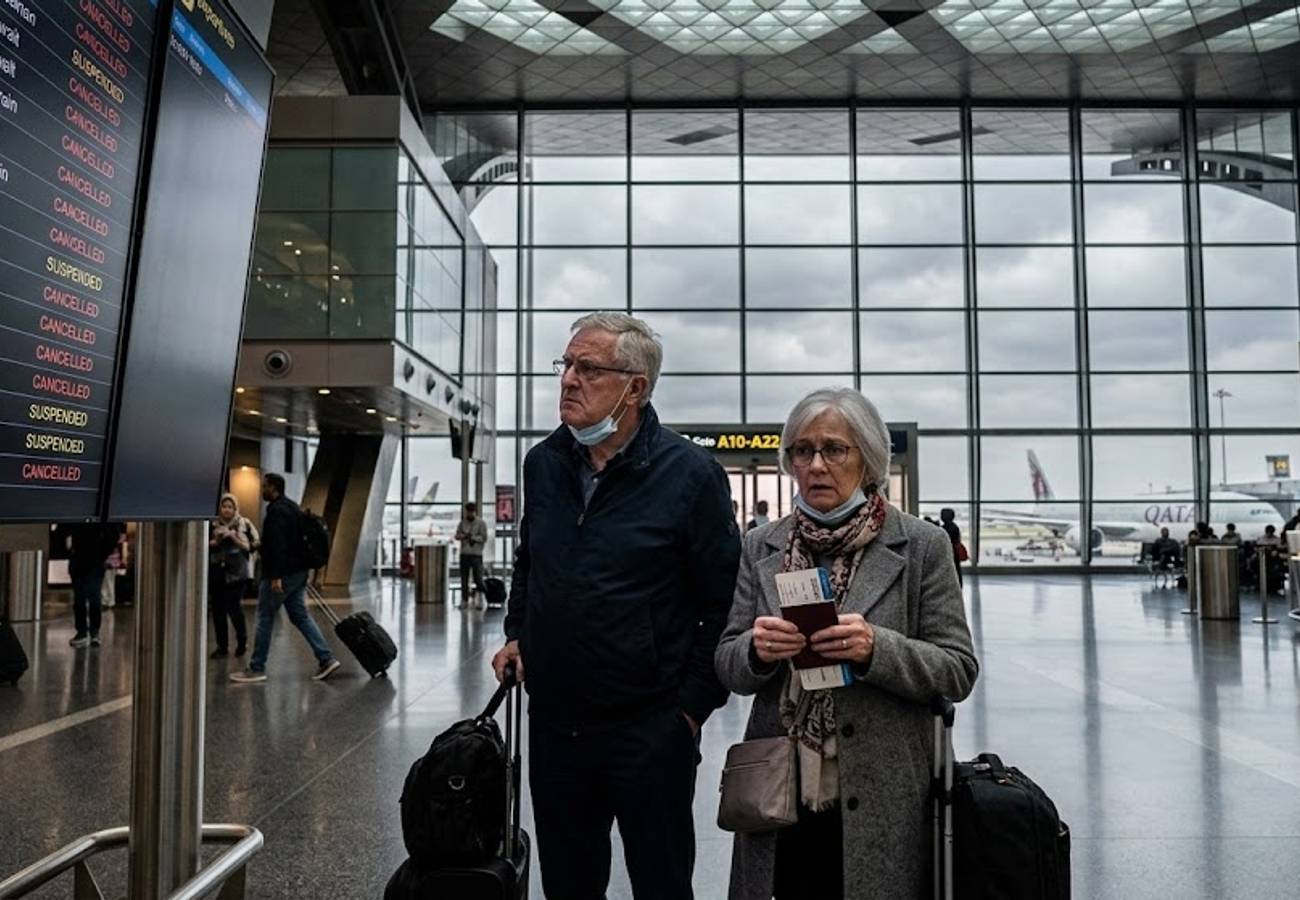
Image generated by AI
Qatar Airways has extended the suspension of passenger flights to Bahrain, Kuwait, and Erbil through July 31, 2026. Simultaneously, Qatar is resuming maritime vessel operations as of Sunday, reflecting a fragmented recovery of transport links amid persistent security volatility in the Strait of Hormuz.
The divergence between aviation and maritime recovery highlights the complex security environment currently facing the Persian Gulf. While the Qatari Ministry of Transport has cleared shipping vessels to resume activities, aviation authorities remain cautious regarding regional passenger corridors.
These disruptions center on the Strait of Hormuz, a critical global chokepoint through which approximately one-fifth of global oil shipments transit. The instability in this corridor has triggered a ripple effect across the tourism and logistics sectors, specifically impacting those utilizing Doha as a primary transit hub.
Critical Operational Updates
The current operational status for travelers and logistics providers is as follows:
- Aviation Restrictions: Qatar Airways has officially confirmed that passenger services between Doha and Bahrain, Doha and Kuwait, and Doha and Erbil (Iraq) are suspended until July 31, 2026.
- Maritime Recovery: Maritime vessel operations officially resumed on Sunday. All shipping operators must adhere to existing maritime regulations and safety instructions provided by the Ministry of Transport.
- Transit Hub Status: Hamad International Airport in Doha continues to operate its long-haul international services, though regional connectivity is restricted.
Regional Impact Summary
| Country | Latest Verified Development | Travel Impact |
|---|---|---|
| Qatar | Maritime vessel operations resume from Sunday | Maritime transport resumes; regional flights partially suspended |
| Kuwait | Qatar Airways suspension continues | Alternative travel routing required |
| Bahrain | Qatar Airways suspension continues | Flight schedules remain affected |
| Iraq | Doha–Erbil flights suspended | Reduced regional connectivity |
| Iran | Maritime security under international monitoring | Indirect impacts on aviation and shipping |
| Saudi Arabia | Regional security remains elevated | Travelers advised to monitor official updates |
Flight Route Status
| Airline | Route | Current Status |
|---|---|---|
| Qatar Airways | Doha – Bahrain | Suspended through 31 July 2026 |
| Qatar Airways | Doha – Kuwait | Suspended through 31 July 2026 |
| Qatar Airways | Doha – Erbil | Suspended through 31 July 2026 |
Why This Matters: Industry Analysis
From a logistical perspective, this situation is not merely about three suspended routes; it is about the fragility of the "hub-and-spoke" model. Doha serves as a critical bridge between Europe, Asia, Africa, and Australia. When regional spokes—such as Kuwait or Bahrain—are severed, it creates a vacuum in the regional network.
For travelers, the real impact is the "hidden" disruption. A passenger flying from London to Bangkok or New Delhi to New York may not be visiting Kuwait, but any regional instability that forces airlines to reroute aircraft or adjust crew rotations can lead to systemic delays across the entire long-haul network.
Our analysis suggests that the resumption of maritime traffic before aviation traffic indicates a strategic prioritization of cargo and energy security over regional passenger mobility. The Strait of Hormuz remains the primary variable; any escalation there immediately affects commercial shipping, cruise itineraries, and global supply chains.
Forward Outlook
Expect continued volatility in regional flight schedules through the end of July. Market trends suggest that airlines will prioritize flexible booking options to prevent mass cancellations.
Travelers should anticipate:
- Increased demand for alternative regional carriers to bypass Doha for Kuwait and Bahrain.
- Potential for "last-minute" schedule shifts based on daily security assessments of the Strait of Hormuz.
- A gradual return to full regional connectivity only after a sustained period of maritime stability.
Travelers are advised to maintain digital copies of all bookings and allow extended connection windows in Doha.
Related Travel Guides
Disclaimer
This article is for informational and educational purposes only. It does not constitute legal, financial, or professional advice. While we strive to provide accurate and up-to-date information, travel policies, regulations, and conditions change rapidly. Always verify information with official sources before making travel decisions. Nomad Lawyer makes no representations about the accuracy, reliability, completeness, or suitability of the information provided. Readers should consult qualified professionals for advice specific to their circumstances. The views expressed in this article are those of the author and do not necessarily reflect the views of Nomad Lawyer.
Raushan Kumar
Founder & Lead Developer
Full-stack developer with 11+ years of experience and a passionate traveller. Raushan built Nomad Lawyer from the ground up with a vision to create the best travel and law experience on the web.
Learn more about our team →