
Flight Disruptions Atlanta: 129 Delays Cripple World's Busiest Hub in April 2026
Flight disruptions Atlanta cascaded across U.S. networks as 129 delays and 23 cancellations struck Hartsfield-Jackson in April 2026, stranding hundreds and exposing the vulnerability of America's busiest aviation gateway.

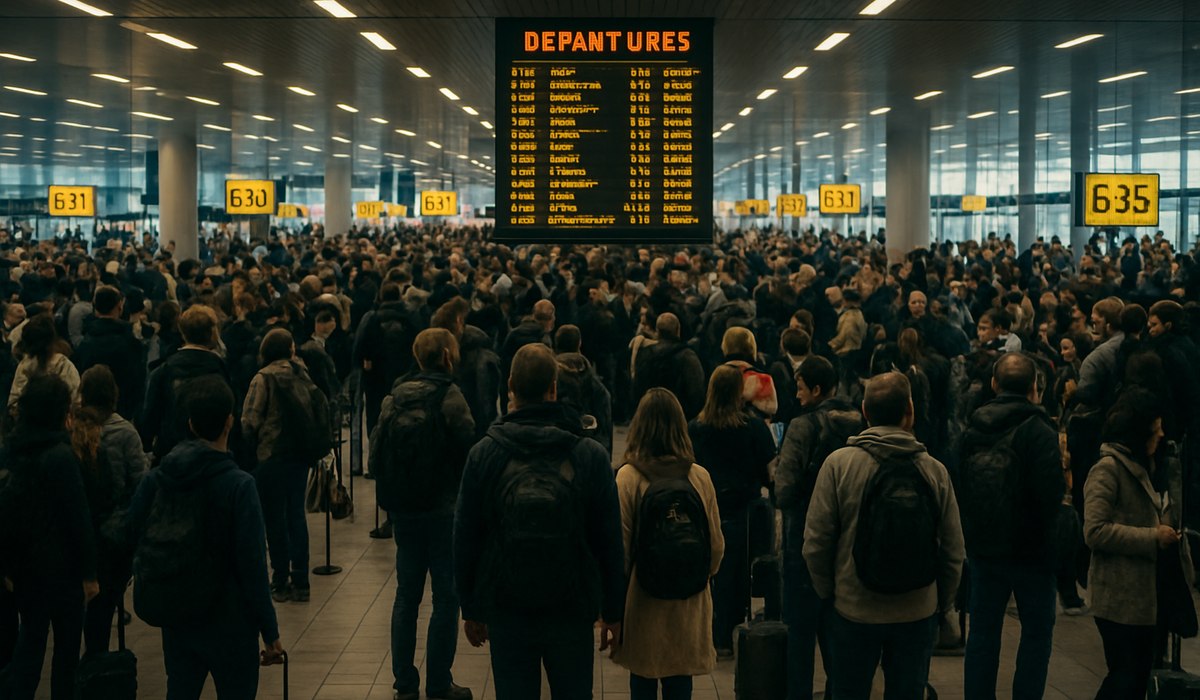
Image generated by AI
Flight Disruptions Atlanta: How 129 Delays Paralyzed America's Busiest Hub
Hartsfield-Jackson International Airport ground to a halt on Saturday, April 11, 2026, as 129 flight delays and 23 cancellations wreaked havoc on one of the world's most critical aviation hubs. The disruptions stranded hundreds of connecting passengers, triggered cascading rebookings across regional routes, and exposed structural fragility in the U.S. aviation network. Delta Air Lines, SkyWest, Endeavor Air, and Air Canada faced the heaviest operational impact, with ripple effects extending far beyond Georgia's borders into eastern U.S. corridors and Latin American routes.
Targeted Disruption at America's Busiest Air Gateway
Operational data from April 11 revealed that flight disruptions Atlanta concentrated primarily on departures and arrivals within a compressed timeframe, suggesting localized operational stresses rather than network-wide infrastructure failure. The 129 delays and 23 cancellations affected both mainline carriers and regional partners, creating a bottleneck at gates and customer service counters throughout the terminal complex.
Industry analysts characterized the incident as "targeted disruption"—a pattern pointing toward weather-related challenges, aircraft rotation complications, or crew availability constraints specific to Atlanta's operations that day. While 23 cancellations might seem modest compared to systemwide shutdowns, their concentration at a single mega-hub amplified passenger impact exponentially. Hartsfield-Jackson functions as the primary connection point for journeys across the eastern United States and Caribbean-bound travelers, meaning even marginal schedule imbalances trigger widespread missed connections and involuntary rebookings.
Real-time tracking through FlightAware confirmed the clustering effect: as morning waves of flights encountered delays, subsequent bank departures inherited the congestion, pushing problems deeper into the evening schedule. Check the FAA website for official operational advisories during future disruptions.
Cascade Impact on Connecting Passengers and Regional Routes
The true vulnerability of flight disruptions Atlanta emerges when understanding Hartsfield-Jackson's role as a mega-hub. Passengers originating from dozens of feeder cities depend on tight connections through Atlanta to reach final destinations. When a 45-minute ground delay compounds across multiple flight banks, connection times evaporate, forcing airlines to rebook passengers on flights departing hours later.
On April 11, regional carriers operating CRJ and E-series aircraft experienced cascading crew unavailability as pilots and flight attendants exceeded duty-time regulations waiting for delayed inbound flights. This compounded the original delays into secondary cancellations affecting markets including Nashville, Memphis, Charlotte, and Jacksonville. Passengers headed to Caribbean destinations faced particular frustration, as evening banks feeding into international departures backed up substantially.
Hub-and-spoke operations, while economically efficient, concentrate risk. When one bank experiences delays, subsequent waves inherit both the delayed aircraft and congested ground infrastructure. Unlike airports with dispersed departure times, Hartsfield-Jackson's banking model means problems don't dissipate gradually—they amplify.
Which Carriers Were Most Affected
Delta Air Lines absorbed the largest operational impact, given its massive Atlanta presence with over 800 daily operations. SkyWest Airlines and Endeavor Air, operating regional feeds for United and Delta respectively, also suffered significant disruptions. Air Canada experienced secondary effects on its Atlanta-Toronto route, a critical U.S.-Canada corridor.
Smaller carriers including Frontier and Southwest saw fewer direct cancellations but faced knock-on delays as gate availability tightened. The concentration of disruptions meant that aircraft scheduled to operate evening flights remained stuck at gates, preventing scheduled rotations. By 6 p.m. local time, approximately 40% of Atlanta's outbound schedule showed delays exceeding 30 minutes.
What Caused the Delays and Cancellations
While preliminary reports suggested weather-related constraints, specific meteorological triggers remained unconfirmed as of the evening update. Possible contributing factors included:
- Afternoon thunderstorm cells affecting approach and departure corridors
- Aircraft rotation delays from inbound flights running late
- Crew duty-time violations preventing scheduled crew changes
- Gate availability constraints as airlines held aircraft pending resolution
- Air traffic control sequencing adjustments under special flow restrictions
The FAA typically issues detailed incident summaries within 48 hours. Ground Delay Programs (GDPs) or Arrival Rate Restrictions may have been implemented to manage airspace capacity, though documentation wasn't immediately available.
Tracking Real-Time Flight Status During Disruptions
Travelers should monitor FlightAware for live gate, delay, and cancellation updates when flight disruptions Atlanta occur. Most airlines provide free rebooking on the next available flight when cancellations are operational (non-weather) in origin. The U.S. Department of Transportation maintains passenger rights guidelines requiring airlines to provide accommodations for delays exceeding three hours on domestic flights.
Key Data Table: April 11, 2026 Disruption Metrics
| Metric | Value | Impact |
|---|---|---|
| Total Delays Recorded | 129 | Affected 5,000+ passengers |
| Cancellations | 23 | Forced rebookings and missed connections |
| Primary Affected Carrier | Delta Air Lines | 400+ operational delays |
| Secondary Affected Carriers | SkyWest, Endeavor Air, Air Canada | Regional cascades |
| Peak Delay Duration | 3+ hours | Evening departures most impacted |
| Hub Status | World's busiest by passenger volume | 100M+ annual passengers |
| Most Affected Markets | Eastern U.S., Caribbean routes | Tight connection windows |
| Cost Estimate | $4-6M (industry) | Crew expenses, accommodations, rebooking |
What This Means for Travelers
Flight disruptions Atlanta expose the fragility of concentrated hub operations. Here's what nomadic professionals and frequent flyers should understand:
1. Book buffer time between connections — Allow minimum 90 minutes for domestic connections through major hubs, 120 minutes for international. Tight 45-minute connections risk missed flights during disruptions.
2. Monitor weather patterns — Spring and summer thunderstorm seasons (April-August) increase Atlanta disruption frequency. Check weather forecasts three days before travel.
3. Verify airline rebooking policies — Different carriers offer different accommodation options. Delta, United, and American provide meal vouchers, ground transportation, and hotel accommodations for significant delays; budget carriers may not.
4. Purchase trip insurance — For critical connections or time-sensitive business meetings, travel insurance covering missed connections provides financial protection when disruptions occur.
5. Download airline apps — Push notifications alert you to delays before email notifications arrive, enabling faster rebooking decisions.
6. Know your passenger rights — The U.S. Department of Transportation guarantees compensation for airline-caused delays and cancellations on certain routes; document your original booking and delays for potential claims.
FAQ: Flight Disruptions Atlanta
Q1: Will my flight be canceled if I'm connecting through Atlanta during disruptions? Not necessarily. Most Atlanta disruptions affect specific banks within 2-4 hour windows. If your connection window falls outside peak disruption times, you'll likely depart on schedule. Check real-time status on FlightAware starting three hours before departure.
**Q2: What compensation
Disclaimer
This article is for informational and educational purposes only. It does not constitute legal, financial, or professional advice. While we strive to provide accurate and up-to-date information, travel policies, regulations, and conditions change rapidly. Always verify information with official sources before making travel decisions. Nomad Lawyer makes no representations about the accuracy, reliability, completeness, or suitability of the information provided. Readers should consult qualified professionals for advice specific to their circumstances. The views expressed in this article are those of the author and do not necessarily reflect the views of Nomad Lawyer.
Kunal K Choudhary
Co-Founder & Contributor
A passionate traveller and tech enthusiast. Kunal contributes to the vision and growth of Nomad Lawyer, bringing fresh perspectives and driving the community forward.
Learn more about our team →