
Qatar Airways and Airlink Launch New Codeshare Flight to Doha
Qatar Airways and South Africa's Airlink expand their codeshare partnership, introducing Doha as Airlink's first long-haul destination starting August 31, 2026.
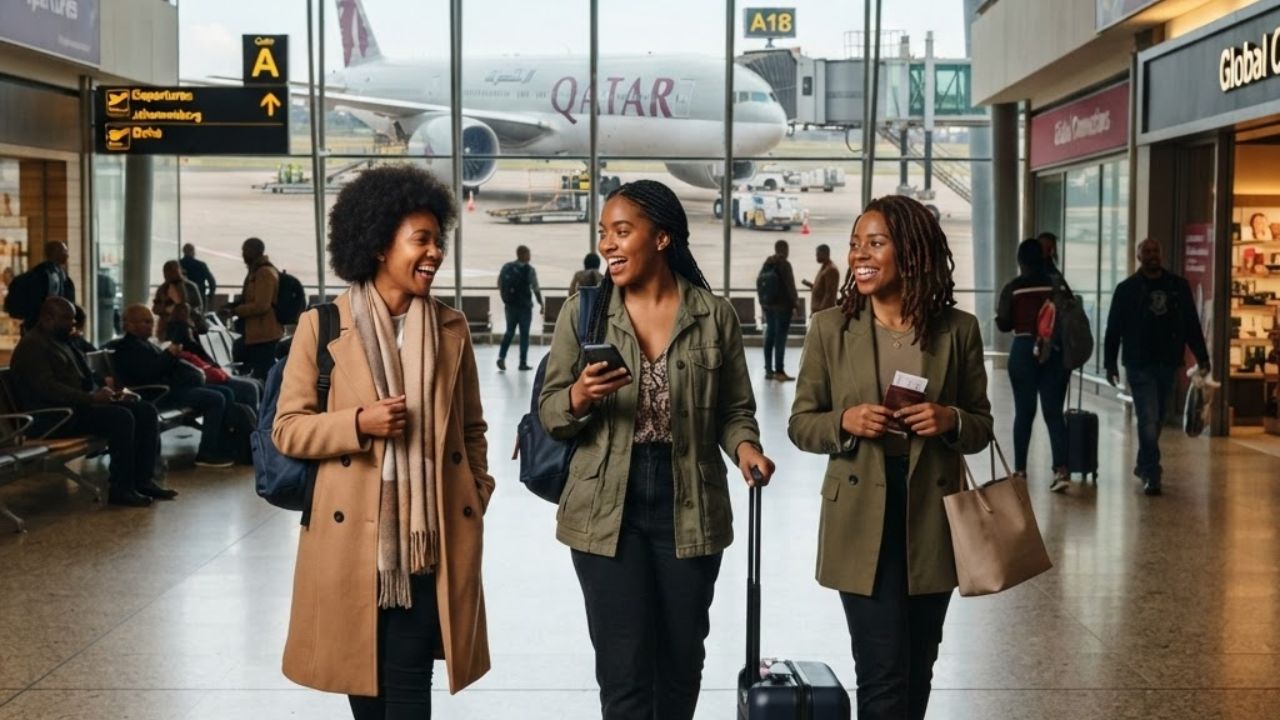
Image generated by AI
Expanding international connectivity for Southern African travelers starting August 31, 2026, Qatar Airways and Airlink are launching an enhanced codeshare partnership that establishes Doha as the regional carrier's first long-haul destination.
The technology-enabled commercial agreement allows travelers to book unified itineraries connecting Airlink's extensive regional network in Southern Africa with the global operations of the Gulf carrier through Hamad International Airport (DOH) in Doha. By integrating flight schedules, the partnership removes the need for passengers to coordinate separate bookings, streamlining transit flows to markets across Europe, the Middle East, Asia, and North America.
The Local Trend Revealed: Strategic Regional Hub Interoperability
The expansion of the codeshare agreement represents a significant milestone in Southern African aviation. Airlink, which has established itself as the region's leading privately owned carrier, historically focused on short-haul domestic and regional operations, connecting major economic centers with smaller domestic markets. By establishing a direct link to Doha, the carrier moves beyond regional operations and enters the long-haul market.
Founded in 1992, Airlink has expanded its fleet to include regional jets like the Embraer E-Jets family, serving over 45 destinations across 15 countries in Southern Africa. Until this expansion, the carrier operated as a feeder airline, connecting passenger traffic to long-haul international flights operated by global carriers at OR Tambo International Airport (JNB) in Johannesburg. Doha's integration as a direct codeshare destination marks Airlink's transition into long-haul network planning. Hamad International Airport, which serves as Qatar Airways’ central hub, processes millions of transit passengers annually and has been repeatedly recognized as a leading global airport, providing a high-capacity gateway for Southern African passengers traveling to Europe and Asia.
Under the updated framework, passengers from regional hubs such as Johannesburg, Cape Town, and Durban can check baggage and secure boarding passes directly to their final international destinations. According to updates from the Department of Tourism of South Africa and the South African Civil Aviation Authority (SACAA), the partnership is designed to improve route efficiency, reduce transfer times, and support growing traveler demand.
The following table highlights the core integration parameters and route specifications for the expanded codeshare partnership:
| Integration Element | Operational Parameter / Date | System Integration Role | Primary Commercial Benefit |
|---|---|---|---|
| Launch Date | August 31, 2026 | Scheduled service start | Launch first long-haul destination for Airlink |
| Gateway Hub | Hamad International (DOH) | Core transfer point | Access to global network in Europe, Asia, Americas |
| Primary Feeder Network | Airlink Southern Africa | Regional passenger consolidation | Connect domestic markets to global routes |
| Baggage Agreement | Interline through-check | Automated baggage routing | Eliminate re-checking during international layovers |
| Ticketing Framework | Single-ticket codeshare | Unified booking platforms | Streamlined passenger reservations and changes |
Bilateral Aviation Policy and Codeshare Mechanics
The expansion of the codeshare agreement between Qatar Airways and Airlink operates within the framework of bilateral air service agreements between South Africa and Qatar. These international treaties typically establish caps on the number of weekly flights that national carriers can operate between the two countries. Because direct traffic rights are strictly regulated, codeshare arrangements offer a mechanism for airlines to expand their market reach without violating regulatory limits.
Under the codeshare structure, Qatar Airways can market flights operated by Airlink using its own two-letter airline code (QR), while Airlink can place its code (4Z) on Qatar Airways' flights to Doha. This allows both carriers to optimize their seat inventories and coordinate scheduling, ensuring smoother transit connections for passengers. The regulatory oversight of these codeshare mechanisms by the South African Department of Transport and civil aviation boards ensures compliance with safety and competition rules while promoting regional economic integration.
Global Aviation Partnerships and Regional Economic Integration
The deeper cooperation between global and regional carriers reflects a structural shift in the aviation industry. Rather than operating expensive long-haul flights independently, regional airlines use codeshare agreements to connect their customers with global networks. This asset-light model allows regional carriers to expand their reach while helping global carriers access secondary markets.
For Southern Africa, this partnership strengthens the region's position within the global travel network. The integration supports tourist arrivals from high-yield international markets, making it easier for visitors to reach remote tourist areas served by the regional carrier. This increased accessibility is expected to support hospitality and transport sectors across South Africa and neighboring countries.
Cultural and Environmental Value: Promoting Community-Led Conservation
For the visitor, the real impact is the opportunity to engage in sustainable, community-led tourism that supports local conservation. By improving access to secondary airports in Southern Africa—such as Skukuza near Kruger National Park or Maun near the Okavango Delta—the codeshare link encourages travelers to visit rural nature reserves directly.
Travelers support these remote areas by staying in community-owned eco-lodges and booking safaris with local guides. This direct spending funds wildlife conservation and supports the livelihoods of rural communities, reducing reliance on high-density mass tourism centers. Supporting independent craft markets in Johannesburg and Cape Town also ensures that tourism spend directly benefits local creators and preserves regional heritage.
Visitor Insider Tips: Navigating South African Travel Logistics
Traveling to and within Southern Africa utilizing the new codeshare network requires local insight:
- Safari Route Planning: When connecting from an international flight to a regional safari destination, allow at least a three-hour layover in Johannesburg or Cape Town to clear customs and passport control before boarding your domestic connection.
- Respecting Wildlife and Local Etiquette: During safaris, follow the instructions of your park ranger. Avoid loud noises, and never throw food or litter. Tipping is standard practice in South African restaurants, with 10% to 15% of the total bill being the norm for good service.
- Sampling Culinary Specialties: Try Biltong (cured, dried meat), boerewors (traditional spiced sausage), and bobotie (spiced minced meat baked with an egg-based topping). Explore the historic wine estates of Constantia or Stellenbosch for local tastings.
- Under-the-Radar Spot: Visit the Cradle of Humankind, a UNESCO World Heritage site located just an hour's drive from Johannesburg, to explore ancient hominid fossil sites and limestone caves.
Tourism Outlook: Long-Term Growth and Aviation Resilience
The future outlook for Southern African tourism is supported by the expansion of direct air corridors. By linking regional networks with global hubs like Doha, the codeshare agreement helps insulate the local travel market from regional economic changes. As both carriers continue to align their flight schedules and booking platforms, this digital integration will serve as a critical gateway, facilitating international commerce, cultural exchange, and sustainable regional tourism development.
Key Takeaways
- Codeshare Expansion: Qatar Airways and Airlink are expanding their codeshare network, adding Doha as a destination on August 31, 2026.
- Long-Haul Route: Doha represents South African regional carrier Airlink's first long-haul destination, connecting Southern Africa to global routes.
- Unified Bookings: Travelers can book single-ticket itineraries with automated baggage check-through from regional airports to global cities.
- Regulatory Compliance: The codeshare framework allows both airlines to coordinate flight schedules within international air service limits.
FAQ
What is the launch date of the new codeshare flight?
The expanded codeshare routes and the Doha connection will begin operating on August 31, 2026.
Can I check my bags through to my final destination under this deal?
Yes, the codeshare agreement includes interline baggage agreements, allowing through-check from regional African airports to international destinations.
Which hub does this codeshare route use?
The route uses Hamad International Airport (DOH) in Doha, Qatar, as the primary transfer hub for long-haul connecting flights.
Related Travel Guides
Disclaimer
This article is for informational and educational purposes only. It does not constitute legal, financial, or professional advice. While we strive to provide accurate and up-to-date information, travel policies, regulations, and conditions change rapidly. Always verify information with official sources before making travel decisions. Nomad Lawyer makes no representations about the accuracy, reliability, completeness, or suitability of the information provided. Readers should consult qualified professionals for advice specific to their circumstances. The views expressed in this article are those of the author and do not necessarily reflect the views of Nomad Lawyer.