
Portugal’s Flores Island Reveals A Hidden Atlantic Paradise For Nature Lovers And Adventure Travellers
Portugal’s Flores Island Reveals A Hidden Atlantic Paradise For Nature Lovers And Adventure Travellers

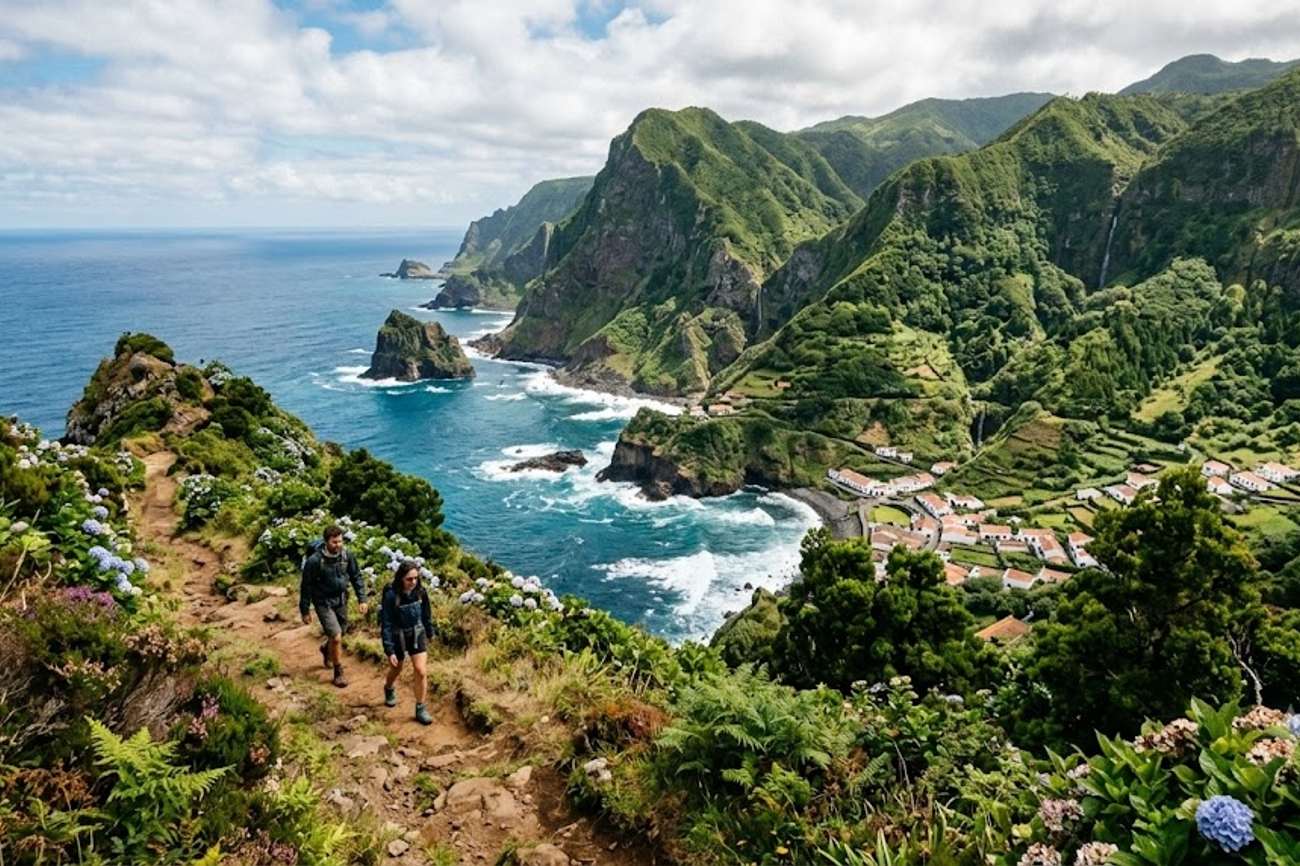
Image generated by AI
Zero mass-tourism hotspots currently define the operational model of Flores Island, marking a stark divergence from the overtourism crises facing mainland European hubs. As the westernmost outpost of the Azorean Archipelago, Flores is pivoting its entire economic engine toward a high-value, low-impact nature tourism framework that prioritizes ecosystem integrity over passenger volume.
The Geopolitical Positioning of the Western Azores
Flores occupies a strategic but isolated position in the Atlantic, serving as a natural buffer against the commercial saturation seen in other Portuguese territories. Unlike the mainland, where urban centers struggle with cruise ship surges, Flores leverages its volcanic geography—characterized by steep cliffs, high rainfall, and deep green valleys—to attract a specific demographic: the adventure-focused, sustainable traveler.
The island's appeal is not accidental but is a result of a broader destination strategy managed by the Regional Government of the Azores. By positioning Flores as a sanctuary for "untouched nature," the region is effectively diversifying Portugal's tourism portfolio. This shift moves the national brand away from being solely a sun-and-beach destination toward becoming a leader in immersive, nature-based travel. The logistical difficulty of reaching the island acts as a natural filter, ensuring that the visitor profile aligns with the island's conservation goals.
Infrastructure and Natural Asset Mapping
The physical layout of Flores is defined by its volcanic origins, which have created a series of high-yield natural assets that drive the local economy. The island's terrain is a primary driver for its tourism sector, specifically through its water-based and geological features.
The following table outlines the primary natural assets and their specific draw for the travel market:
| Natural Asset | Key Feature | Traveler Appeal |
|---|---|---|
| Poço da Ribeira do Ferreiro | Multiple cascading waterfalls | High-end photography and nature immersion |
| Lagoa Funda & Lagoa Comprida | Volcanic crater lakes | Hiking and geological study |
| Rocha dos Bordões | Basaltic volcanic rock formations | Adventure trekking and sightseeing |
| Fajã Grande | Coastal Atlantic viewpoints | Relaxation and cultural immersion |
Access to these sites is managed through a network of official walking routes. These trails are categorized by difficulty levels, allowing the island to capture a wide market share—from families to elite hikers—without requiring heavy industrial infrastructure that would compromise the environment.
Expert Analysis: The Economics of Isolation
For the modern traveler, the direct consequence of Flores' isolation is a "premium on peace." In an era where "quiet travel" has become a luxury commodity, Flores is effectively monetizing its lack of accessibility. However, this creates a precarious logistical dependency. Because the island is connected to mainland Portugal and other Azorean hubs via limited air services, any disruption in the aviation chain—whether due to weather or airline scheduling—can have an outsized impact on the local economy.
The pricing pressure created by this limited capacity means that accommodation, ranging from traditional guesthouses to eco-facilities, often sees peak-season surges. Travelers who fail to book early are not just facing higher prices, but a total lack of availability, as the island resists the construction of large-scale hotel complexes to maintain its sustainable footprint.
Furthermore, the reliance on SATA Azores Airlines and other regional carriers means that the "gateway" experience is as critical as the destination itself. The move toward sustainable travel is not merely a marketing slogan here; it is a survival mechanism. If Flores were to succumb to mass tourism, the very assets that drive its value—the pristine lakes and undisturbed waterfalls—would degrade, leading to a collapse in the high-value traveler segment.
For those planning a journey, the logistical reality is that Flores requires a "slow travel" mindset. The lack of high-density tourism infrastructure means that the burden of preparation shifts to the traveler. The need for specific gear for changing Atlantic weather and the necessity of pre-planning hiking routes are not inconveniences, but are part of the curated "authentic" experience the island sells.
Key Takeaways
- Strategic Isolation: Flores avoids the "overtourism" trap by leveraging its remote location in the western Azores to attract low-volume, high-value nature enthusiasts.
- Asset-Driven Economy: The island's economic value is tied directly to specific geological sites, including the Poço da Ribeira do Ferreiro waterfalls and the Rocha dos Bordões volcanic formations.
- Sustainability Mandate: Tourism growth is strictly bound by conservation laws, requiring visitors to adhere to marked paths and waste-reduction protocols to protect fragile ecosystems.
- Logistical Constraints: Reachability is limited to connecting flights through major Azores gateways, making early booking and flexible scheduling essential for visitors.
- Diversified Appeal: The destination is successfully targeting three distinct segments: romantic couples, nature-focused families, and high-end adventure travelers.
FAQ: Flores Island Travel 2025
How do I get to Flores Island from mainland Portugal? Travelers must fly from mainland Portugal to a major Azores gateway (such as Ponta Delgada or Terceira) and then take a connecting regional flight to Flores. Always check seasonal schedules as flight frequency varies.
What is the best time to visit Flores for hiking? While the island offers scenery year-round, the hiking trails are most accessible during the warmer months. However, high rainfall is common, so waterproof gear is mandatory regardless of the season.
Is Flores Island suitable for families with children? Yes. The island offers various nature activities and scenic attractions suitable for families, provided they choose hiking routes that match their children's fitness levels.
What are the primary sustainable practices for visitors in Flores? Visitors are expected to stay on marked hiking trails, minimize waste during outdoor activities, and utilize responsible local travel services to protect the island's unique volcanic ecosystems.
The true luxury of Flores is not found in five-star resorts, but in the silence of a volcanic lake.
Tags: Flores Island, Azores Archipelago, SATA Azores Airlines, Portugal Nature Tourism, Sustainable Travel Azores
Related Travel Guides
Disclaimer
This article is for informational and educational purposes only. It does not constitute legal, financial, or professional advice. While we strive to provide accurate and up-to-date information, travel policies, regulations, and conditions change rapidly. Always verify information with official sources before making travel decisions. Nomad Lawyer makes no representations about the accuracy, reliability, completeness, or suitability of the information provided. Readers should consult qualified professionals for advice specific to their circumstances. The views expressed in this article are those of the author and do not necessarily reflect the views of Nomad Lawyer.
Kunal K Choudhary
Co-Founder & Contributor
A passionate traveller and tech enthusiast. Kunal contributes to the vision and growth of Nomad Lawyer, bringing fresh perspectives and driving the community forward.
Learn more about our team →