
Dubai Expands Oud Metha Road With New Bridges And Tunnels To Improve Tourist And Local Travel
Dubai Expands Oud Metha Road With New Bridges And Tunnels To Improve Tourist And Local Travel

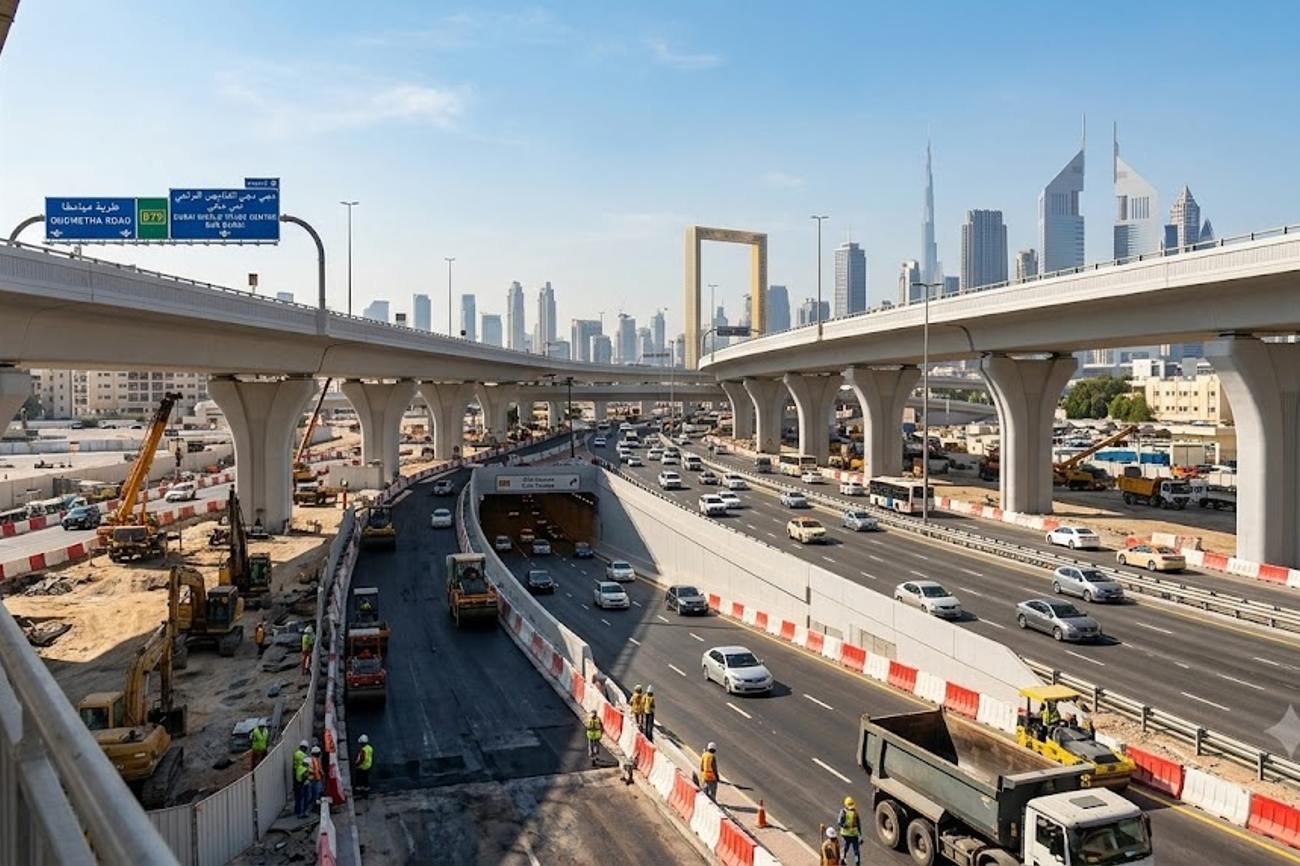
Image generated by AI
title: Navigating the New Heart of Dubai: The Oud Metha Transformation description: An insider's guide to Dubai's latest infrastructure shifts in the Oud Metha and Al Asayel districts, moving beyond the glitz to the city's functional core.
A commute that previously took 20 minutes is now projected to take just five. This drastic shift is the result of a massive infrastructure overhaul in one of Dubai's most established urban cores, where the city is aggressively rewriting its traffic patterns to keep pace with a population expected to hit 420,000 residents in the immediate area by 2030.
The Shift in Dubai's Urban Arteries
While most visitors focus on the neon lights of Downtown or the palms of the coast, the real pulse of the city beats in districts like Oud Metha and Al Jaddaf. These are the areas where the "old" Dubai meets the new, and for years, they have struggled with the friction of rapid growth. The completion of the Oud Metha Road and Al Asayel Street project is not just about pouring concrete; it is a strategic move under the Sheikh Rashid Corridor Development Project to prevent the city's historic center from grinding to a halt.
The scale of this intervention is significant. The Roads and Transport Authority (RTA) has integrated 14 kilometres of new road infrastructure, including four bridges and two tunnels, to bypass the bottlenecks that have long plagued local motorists. For those of us who have navigated these streets, the change is palpable. The road capacity on Oud Metha Road is jumping from 10,400 to 15,600 vehicles per hour. This isn't just a statistic; it is the difference between sitting in stagnant heat and actually reaching a destination.
This project serves as a blueprint for how Dubai handles its growth. Rather than simply widening roads, the city is implementing multi-level solutions—tunnels and bridges—to separate local traffic from transit traffic. This is particularly vital for accessibility to essential hubs like Latifa Hospital and the Al Wasl Club, ensuring that emergency services and community members aren't trapped in the daily gridlock of the Zabeel and Umm Hurair districts.
What Makes the Oud Metha District Different
To understand why this upgrade matters, you have to understand the character of Oud Metha. Unlike the curated perfection of the Dubai Mall area, this region is a mix of residential stability, government services, and authentic commercial activity. It is a place of transition. To the east, you have Al Jaddaf, which has evolved into a creative hub with art galleries and a riverside vibe; to the west, you have the administrative weight of Zabeel.
The geographic uniqueness here lies in the density. This is one of the few places in Dubai where you see a true blend of long-term expatriate communities and Emirati families. The infrastructure here supports a different kind of rhythm—less about the "see and be seen" tourism and more about the functional life of the city. When you move through these corridors, you aren't seeing the curated facade of a resort; you are seeing the operational engine of the emirate.
Furthermore, the connectivity provided by these new bridges and tunnels allows for a more seamless transition between the historic districts and the newer, hyper-modern sectors. For the traveler, this means the "authentic" side of Dubai—the traditional cafeterias, the older souks, and the residential villas—is now more accessible than ever. You can now pivot from the quietude of a Zabeel park to the energy of Al Jaddaf without the psychological toll of a 20-minute traffic jam.
Visitor Insider Tips
Navigating Dubai requires more than just a GPS; it requires an understanding of the city's timing and social codes. If you are heading into the Oud Metha or Al Jaddaf areas, keep these local nuances in mind:
Timing the Transit Even with the capacity increase to 15,600 vehicles per hour, Dubai's peak hours are non-negotiable. Avoid the main arteries between 7:30 AM and 9:30 AM, and again from 5:00 PM to 8:00 PM. If you are visiting the Al Wasl Club or healthcare facilities, aim for the mid-morning window (10:00 AM to 12:00 PM) when the road capacity is most underutilized.
The "Cafeteria" Culture While you are in Oud Metha, skip the hotel dining. Look for the small, unassuming "cafeterias" that line the side streets. Order a Karak tea and a Zaatar manakish. This is where the local workforce and residents congregate, and it provides a far more authentic glimpse into Dubai's multicultural fabric than any luxury lounge.
Transport Hacks While the road upgrades make taxis and rentals more viable, the RTA Dubai offers integrated options. If you are staying in Al Jaddaf, consider using the water taxis or the metro combined with short ride-share trips. The new tunnels make the "last mile" of your journey significantly faster, but the metro remains the only way to completely opt-out of the road network.
Neighborhood Base If you prefer a slower pace than Downtown but want the connectivity of the new road project, base yourself in Al Jaddaf. It offers a unique blend of boutique hotels and artistic spaces, and with the new Al Asayel Street improvements, you can reach the city's major landmarks in a fraction of the time it took two years ago.
Cultural and Environmental Context
The aggressive expansion of road networks in Dubai often sparks a conversation about the balance between mobility and sustainability. The push toward 12-lane motorways—such as the approved 80-kilometre project connecting Dubai to Sharjah and Abu Dhabi—highlights a city that is still fundamentally designed around the automobile. This massive motorway, costing Dh3.5 billion for its first phase, aims to serve 3.1 million people and reduce travel times by 60 per cent, but it also cements the car's role in the UAE's urban identity.
However, there is a cultural shift happening. By improving the flow in districts like Oud Metha, the city is attempting to reduce the idling time of thousands of vehicles, which indirectly impacts local air quality in densely populated residential zones. There is also a push to integrate these road projects with the wider UNESCO goals of preserving urban heritage while modernizing. In areas like Umm Hurair, the challenge is to upgrade the infrastructure without erasing the neighborhood's historical character.
The interaction between tourism and local life in these districts is delicate. As accessibility improves, there is a risk of "touristification" in areas that were previously sanctuaries for residents. The RTA's focus on "service areas" like hospitals and clubs suggests a priority for resident quality of life over tourist attractions, a refreshing departure from the typical Dubai narrative of building for the visitor first.
FAQ: Visiting Dubai 2025
What is the best way to get to Oud Metha from Dubai International Airport? The most efficient way is via taxi or ride-share, taking advantage of the new Al Asayel Street connections. The journey is now significantly shorter due to the reduced congestion and new tunnel systems.
Do I need a visa to visit the UAE? Visa requirements depend on your nationality. Many passports receive a visa-on-arrival. Check the official Visit Dubai portal for the most current entry requirements based on your citizenship.
Is the Oud Metha area safe for solo travelers? Yes, it is exceptionally safe. It is a residential and commercial hub with a high security presence and a welcoming, multicultural atmosphere. It is often quieter and more relaxed than the tourist centers.
When is the best time of year to explore these districts? Visit between November and March. The weather is mild, making it pleasant to walk through the residential streets of Zabeel or explore the art galleries of Al Jaddaf without the extreme summer heat.
Dubai is a city that refuses to stand still, and its roads are the clearest evidence of that ambition.
#DubaiTransport2025 #OudMetha #AlJaddaf #RTADubai #UAEUrbanDevelopment #DubaiTravelTips
Related Travel Guides
- Ohio Alongside West Virginia Face Severe Weather Emergency As Torrential Rains Trigger Widespread U.S. Flood Alerts
- Portugal’s Flores Island Reveals A Hidden Atlantic Paradise For Nature Lovers And Adventure Travellers
- Bahrain to Host International Tourism Investment Forum 2027 With UN Tourism to Unlock Global Hospitality Projects and Future Growth
Disclaimer
This article is for informational and educational purposes only. It does not constitute legal, financial, or professional advice. While we strive to provide accurate and up-to-date information, travel policies, regulations, and conditions change rapidly. Always verify information with official sources before making travel decisions. Nomad Lawyer makes no representations about the accuracy, reliability, completeness, or suitability of the information provided. Readers should consult qualified professionals for advice specific to their circumstances. The views expressed in this article are those of the author and do not necessarily reflect the views of Nomad Lawyer.
Naina Thakur
Contributor & Travel Specialist
Travel enthusiast and legal writer covering visa regulations, responsible tourism, and cultural journeys across global destinations.
Learn more about our team →