
Piraeus Port Rises to Second Busiest Mediterranean Home Port with 1.09 Million Passengers in 2025
Piraeus Port has surged to become the Mediterranean's second-busiest cruise home port, handling over 1.09 million passengers and challenging Barcelona's regional dominance.

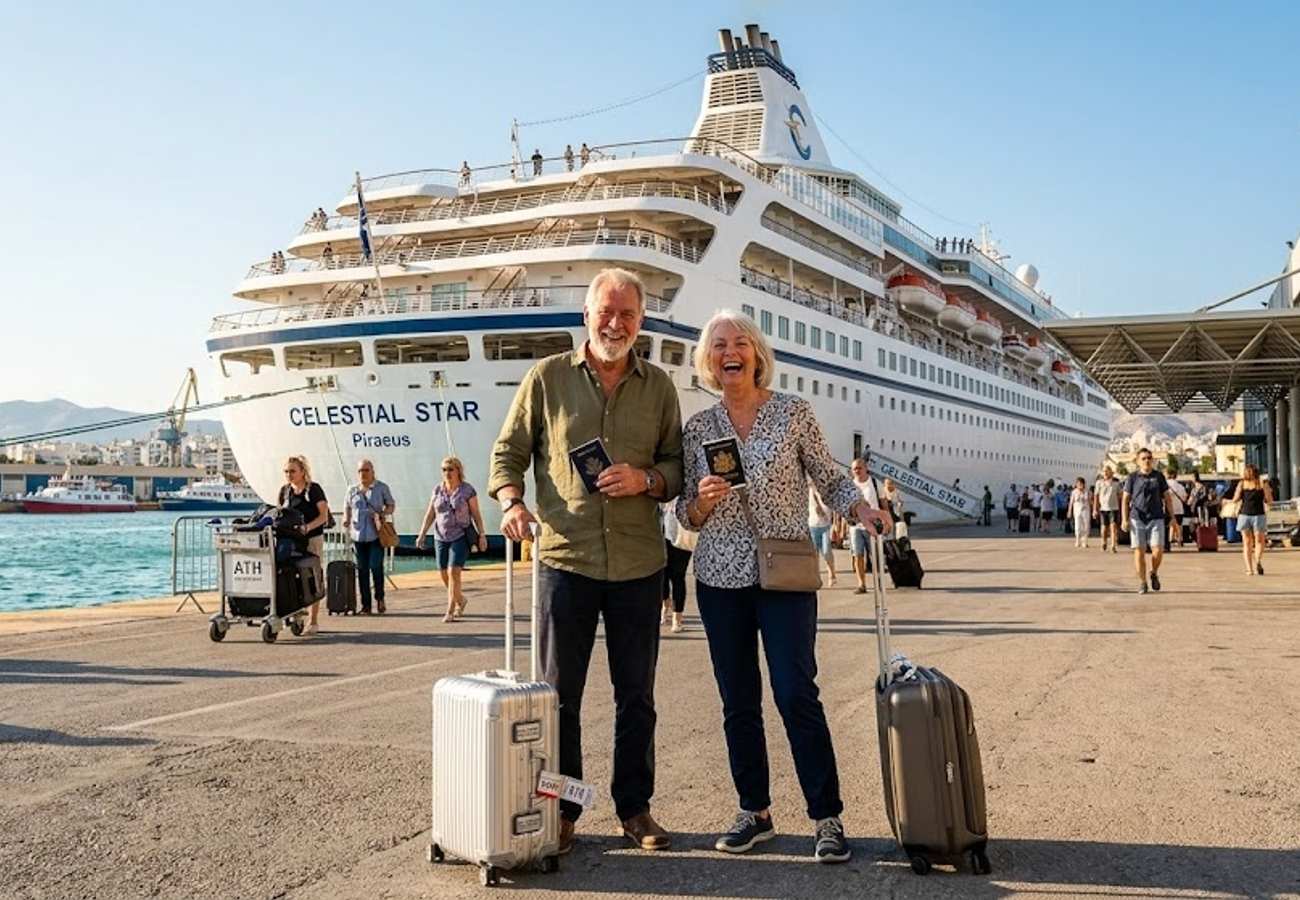
Image generated by AI
Piraeus Port has officially ascended to the position of the second-busiest cruise home port in the Mediterranean. This shift marks a significant transition for Greece, moving from a primary destination port to a strategic starting point for global voyages.
Our analysis of MedCruise statistics confirms that Piraeus handled 1,091,364 home-porting passenger movements in 2025. This growth represents a climb from fourth to second place among Mediterranean cruise bases, signaling a structural shift in how cruise lines organize Eastern Mediterranean itineraries.
Mediterranean Cruise Hub Impact Breakdown
The operational surge at Piraeus is characterized by a rapid recovery and expansion phase. The port's home-porting activity increased by more than 8% compared to 2024 and has nearly tripled its performance levels seen in 2022.
Key Passenger Statistics:
- Home-Porting Movements (2025): 1,091,364 passengers.
- Total Cruise Passenger Movements: Over 1.86 million.
- Regional Ranking: 2nd place (surpassing several Italian and French gateways).
- Primary Competitor: Barcelona, Spain (remains 1st with over 2 million home-port movements).
Major Operators Driving Volume:
- MSC Cruises: Expanding networks across Barcelona, Genoa, Marseille, and Greek gateways.
- Royal Caribbean: Increasing departures from Athens to service high-demand Aegean routes.
- Costa Cruises: Integrating Greek ports into wider Italian-based Mediterranean networks.
Strategic Shift: Home Port vs. Transit Port
The distinction between "home-porting" and "transit" is the primary driver of the current Athens tourism boom. While transit passengers visit for a few hours, home-port passengers typically arrive 24 to 48 hours before departure.
This behavior creates a multiplier effect on the Attica region's economy. Increased demand is currently being recorded for:
- Hospitality: Higher occupancy rates in Athens hotels for pre- and post-cruise stays.
- Logistics: Increased volume for airport transfers from Athens International Airport to Piraeus.
- Local Economy: Surge in spending at museums, restaurants, and shopping districts.
Passenger Rights & Advisory (Information Gain)
Travelers booking cruises departing from Piraeus or Barcelona should be aware of their rights regarding "Cruise-Air" connections and disruptions.
Flight-to-Cruise Connection Risks When booking a cruise from a home port, the most critical risk is a flight delay causing a missed embarkation.
- EU 261/2004 Rights: If your flight to Athens or Barcelona is delayed or canceled, you are entitled to compensation and care (meals/hotels) depending on the cause. However, EU 261 does not typically cover the cost of a missed cruise.
- Travel Insurance: We strongly advise passengers to secure "Trip Interruption" insurance. Standard policies often do not cover the full cost of a missed cruise unless specifically added.
- Booking Buffer: Industry standards recommend arriving at the home port city at least one full day before the ship's departure to mitigate transit risks.
Rebooking and Refunds If a cruise line cancels a departure from Piraeus due to operational failures:
- Refunds: Passengers are generally entitled to a full refund or a future cruise credit (FCC).
- Alternative Transport: If the cruise line alters the home port (e.g., moving departure from Piraeus to another port), they are often responsible for providing transport or reimbursement for the change.
Industry Analyst View
The rise of Piraeus is not accidental but a result of strategic infrastructure alignment. The port's proximity to Athens International Airport and the global appeal of the Aegean islands (Santorini, Mykonos, and Crete) create a unique value proposition that Barcelona cannot replicate.
While Barcelona maintains its lead due to superior Western Mediterranean connectivity and massive infrastructure, Piraeus is successfully pivoting Greece from a "stop-over" destination to a "launchpad." This reduces the seasonal volatility of Greek tourism, spreading visitor flows into the shoulder seasons and diversifying the economic impact across the Attica region.
The competition between Piraeus, Barcelona, and Italian ports like Genoa and Naples will likely lead to increased investment in passenger terminals and more competitive pricing for cruise-air packages in 2026 and beyond.
The Mediterranean cruise map is being redrawn, and Athens is now a primary anchor.
Related Travel Guides
Disclaimer
This article is for informational and educational purposes only. It does not constitute legal, financial, or professional advice. While we strive to provide accurate and up-to-date information, travel policies, regulations, and conditions change rapidly. Always verify information with official sources before making travel decisions. Nomad Lawyer makes no representations about the accuracy, reliability, completeness, or suitability of the information provided. Readers should consult qualified professionals for advice specific to their circumstances. The views expressed in this article are those of the author and do not necessarily reflect the views of Nomad Lawyer.
Preeti Gunjan
Contributor & Community Manager
A passionate traveller and community builder. Preeti helps grow the Nomad Lawyer community, fostering engagement and bringing the reader experience to life.
Learn more about our team →