
MSC World Asia Expands Complimentary Dining with 20 Venues for December 2026 Mediterranean Launch
MSC Cruises reveals a massive expansion of free dining on the MSC World Asia, introducing the Aqua Food Market and Pan-Asian street food to its 20-venue onboard culinary ecosystem.

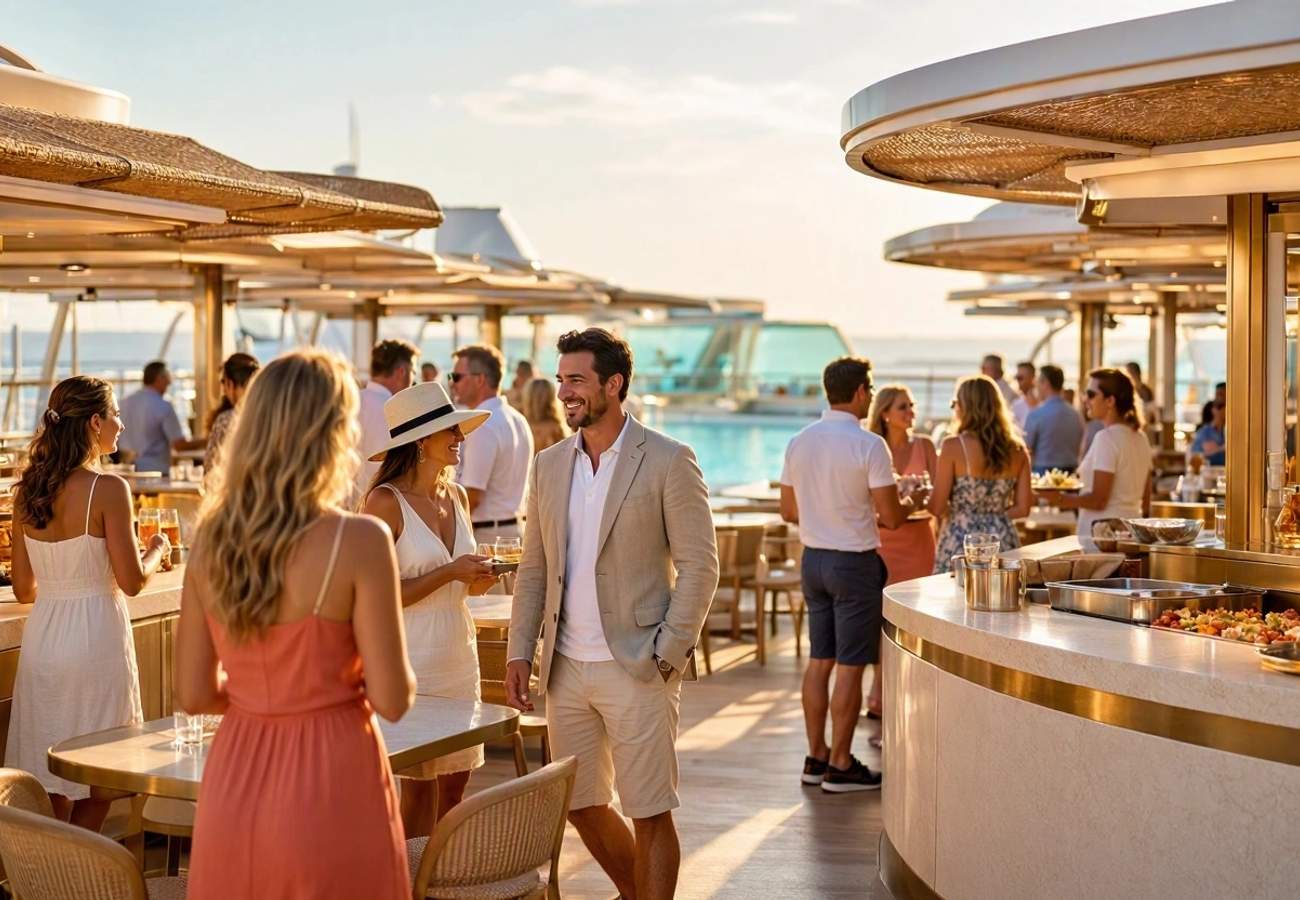
Image generated by AI
20 distinct dining venues will anchor the culinary experience aboard the MSC World Asia, according to a strategic expansion of the ship's complimentary dining program announced on 26 October. As the vessel prepares for its December 2026 Mediterranean debut, MSC Cruises is shifting its operational model toward "grab-and-go" flexibility, moving away from the rigid scheduling of traditional main dining rooms to accommodate the erratic habits of modern international travelers.
The Shift Toward Casualization in Cruise Logistics
The introduction of the MSC World Asia marks a calculated move by the cruise line to reduce bottlenecks in main dining halls. By distributing food service across more than 40 total restaurants, bars, and lounges, the operator is attempting to solve the "peak hour" congestion common on resort-style ships. The core of this strategy is the decentralization of food; rather than forcing passengers into a central hub, the ship will deploy takeaway windows and street-food concepts across public decks and entertainment districts.
This operational shift is specifically targeted at families and high-activity passengers who view traditional seated meals as a logistical hurdle. By integrating 24-hour snack options and poolside outlets, the line is effectively treating the ship as a floating city rather than a traditional hotel, where food access is constant and decoupled from formal dress codes or reservation windows.
Breakdown of MSC World Asia Dining Infrastructure
While the total hospitality count exceeds 40 outlets, the actual food-service infrastructure is divided into specific tiers of accessibility and cost. It is vital for passengers to distinguish between "dining venues" and "lounges," as the latter primarily serve beverages.
Onboard Culinary Capacity and Access
| Dining Category | Number of Venues | Access Level | Primary Offerings |
|---|---|---|---|
| Main Dining Restaurants | 5 | Mixed (Incl. Yacht Club) | Full-course seated meals |
| Specialty Dining | 6 | Paid / Reservation | Premium curated menus |
| Buffet Venues | 2 | Complimentary | Self-service international |
| Fast-Casual / Grab-and-Go | 7 | Complimentary | Street food, snacks, takeaway |
| Total Dining Venues | 20 | Variable | Full Ship Ecosystem |
| Total Hospitality Outlets | 40+ | Variable | Incl. Bars and Lounges |
Expert Analysis: The Economics of "Complimentary" Dining
For travelers booking the MSC World Asia, the expansion of "complimentary" options is a double-edged sword. From a logistical standpoint, the addition of the Aqua Food Market and the Pan-Asian street food window reduces wait times and increases autonomy. However, the pricing pressure this creates is subtle: by saturating the ship with high-quality free casual options, the cruise line can more aggressively price its six specialty restaurants.
The direct consequence for the passenger is a tiered experience. While the "base fare" now covers a wider variety of food—such as bao buns from the Pan-Asian window or loaded fries from the Aqua Deck—the most exclusive culinary experiences remain gated. This mirrors a broader trend in the International Air Transport Association (IATA) regulated travel sector, where "unbundling" allows the base product to remain competitive while high-margin "specialty" add-ons drive actual profitability.
Furthermore, the proximity of the "Buffet Grab & Go" to the pool areas suggests a strategy to keep passengers in high-revenue zones (like poolside bars) for longer periods. By removing the need to return to a cabin or a formal restaurant, the line maximizes the time guests spend in areas where paid beverage packages are most heavily utilized.
Key Takeaways
- Increased Flexibility: 20 dining venues are available, with 7 dedicated to fast-casual and grab-and-go formats to reduce dining room congestion.
- New Concept Venues: The Aqua Food Market features five stalls serving pitas, salads, and sandwiches, while the Pan-Asian window offers complimentary bao buns and seafood balls.
- Tiered Access: Not all 20 venues are free; 6 are specialty (paid) and one of the 5 main restaurants is exclusive to MSC Yacht Club guests.
- Operational Hours: While some snack options are 24-hour, specific stall hours for the Aqua Food Market are not yet public and will be listed in the daily onboard program.
- Strategic Layout: Dining is now integrated into entertainment districts, specifically the Aqua Deck, to facilitate seamless transitions between leisure and eating.
FAQ: MSC World Asia Dining 2026
Is all the food on MSC World Asia free? No. While the Aqua Food Market, buffets, and Pan-Asian takeaway window are complimentary, there are 6 specialty restaurants that require additional payment or specific package conditions.
What is the Aqua Food Market? It is a casual, European coastal-inspired market on the Aqua Deck featuring five stalls. It serves complimentary salads, loaded fries, sandwiches, pitas, and desserts for dine-in or takeaway.
Can I get Asian food for free on this ship? Yes. The Pan-Asian Street Food venue includes a complimentary takeaway window serving snacks like bao buns and crispy seafood balls during the day.
Do I need reservations for the complimentary venues? Generally, no. The grab-and-go and market-style venues are designed for immediate access. However, the 5 main dining restaurants may have specific seating times.
The era of the rigid cruise timetable is ending, replaced by a high-velocity, market-style approach to maritime hospitality.
Related Travel Guides
Disclaimer
This article is for informational and educational purposes only. It does not constitute legal, financial, or professional advice. While we strive to provide accurate and up-to-date information, travel policies, regulations, and conditions change rapidly. Always verify information with official sources before making travel decisions. Nomad Lawyer makes no representations about the accuracy, reliability, completeness, or suitability of the information provided. Readers should consult qualified professionals for advice specific to their circumstances. The views expressed in this article are those of the author and do not necessarily reflect the views of Nomad Lawyer.
Naina Thakur
Contributor & Travel Specialist
Travel enthusiast and legal writer covering visa regulations, responsible tourism, and cultural journeys across global destinations.
Learn more about our team →