
Cruise Hefty Blow: Supreme Court Overturns $440M Cuba Case Appeal
US Supreme Court's 8-1 decision on May 21, 2026 overturns appeal dismissal, exposing Carnival, Royal Caribbean, Norwegian, and MSC to $440 million in fines over disputed Havana Docks property use.

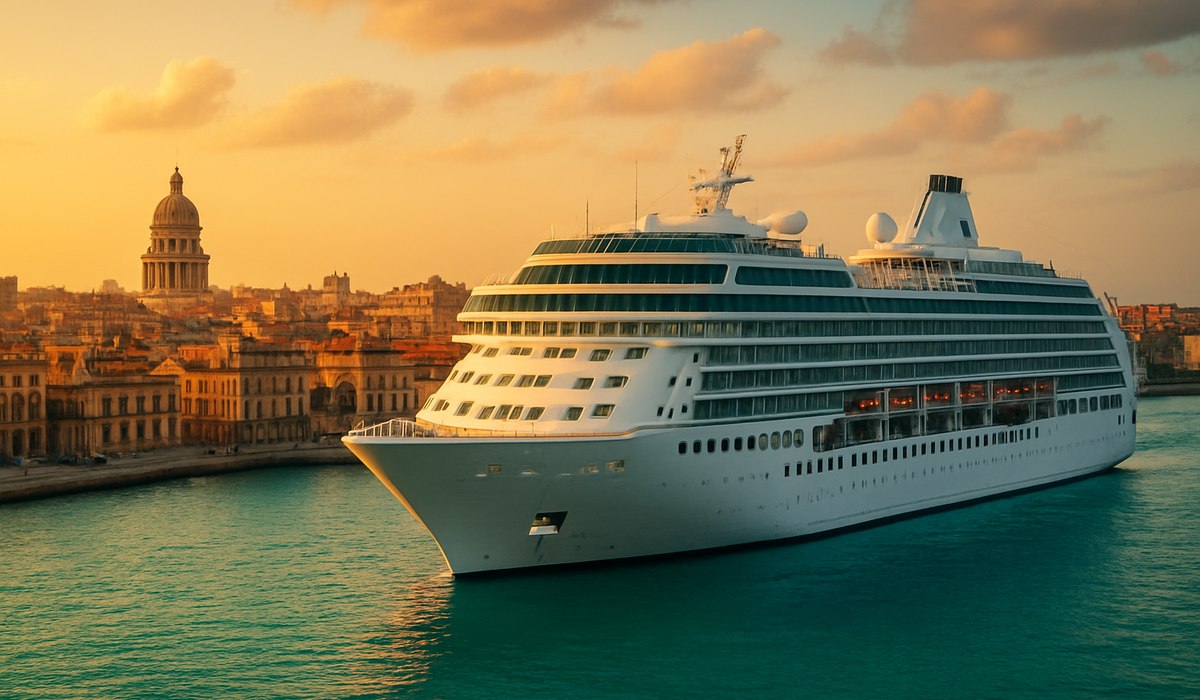
Image generated by AI
Supreme Court's Landmark Decision Reshapes Caribbean Cruise Liability
The US Supreme Court delivered a decisive blow to four major cruise operators on May 21, 2026, when an 8-1 ruling overturned a previous appeals dismissal in a $440 million case involving Havana Docks property disputes. Carnival Corporation, Royal Caribbean, Norwegian Cruise Line Holdings, and MSC Cruises now face potential liability for operating cruises to Cuba between 2016 and 2019 using what the Court determined was confiscated property. Justice Clarence Thomas's majority opinion affirmed that Havana Docks holds a legitimate property claim to the terminal facility used by cruise ships during those operations. This decision doesn't immediately impose fines but clears the legal pathway for ongoing litigation against the cruise lines. The case represents one of the most significant regulatory challenges facing the cruise industry since the resumption of US-Cuba travel under the Obama administration.
Supreme Court Overturns Appeal Dismissal in Cuba Cruise Case
The journey to this 2026 ruling spans multiple decades of legal complexity intertwined with US-Cuba relations. In 2022, a federal court initially ruled that the four cruise lines engaged in property trafficking by using seized assets without proper authorization. The appeals court reversed this decision in 2024, reasoning that Havana Docks' original 99-year lease expired in 2004—more than a decade before cruise operations resumed in 2016. However, the Supreme Court disagreed with this interpretation, emphasizing that Havana Docks maintains a legitimate claim to the facility regardless of lease expiration. This reversal significantly alters the legal landscape for cruise operations throughout the Caribbean.
The Court's analysis focused on distinguishing between lease validity and property rights claims. While the lease technically expired, the justices determined this technicality doesn't eliminate Havana Docks' foundational interest in the confiscated property. This decision applies the Helms-Burton Act, enacted in 1996, which permits American citizens and corporations to pursue legal action against companies profiting from property seized during Cuba's 1959 revolution. The ruling underscores how historical property seizures continue influencing modern commercial cruise operations.
Visit Cruise Critic for comprehensive cruise line coverage and industry analysis.
Which Cruise Lines Face Potential $440 Million in Fines
Four prominent cruise lines stand directly affected by this Supreme Court ruling: Carnival Corporation, Royal Caribbean, Norwegian Cruise Line Holdings, and MSC Cruises. Together, these operators transported approximately 900,000 passengers to Cuba during the 2016-2019 travel window when sailings were legally permitted under Obama-era policies. Carnival operates multiple cruise brands including Carnival Cruise Line, Princess Cruises, and Holland America Line. Royal Caribbean operates Royal Caribbean International and Celebrity Cruises. Norwegian Cruise Line Holdings manages Norwegian Cruise Line and Oceania Cruises. MSC Cruises represents the Italian-Swiss shipping conglomerate's cruise division.
The collective $440 million exposure represents the largest consolidated fine amount potentially facing any cruise operators simultaneously. Individual cruise line liability varies based on passenger volume, frequency of sailings, and specific property usage agreements during the disputed period. Legal experts anticipate settlement negotiations will commence as the litigation moves forward through federal courts. However, no immediate payment obligations exist—this Supreme Court decision merely permits the case to proceed rather than dismissing it outright. The cruise lines may petition for further appeals or seek settlement discussions with Havana Docks representatives.
The Havana Docks Property Dispute: Timeline and Legal Complexity
Understanding this lawsuit requires examining a complex historical timeline spanning over 120 years:
| Year | Event | Legal Significance |
|---|---|---|
| 1905 | Havana Docks Corporation signs 99-year lease | Establishes property interest and operating rights |
| 1959 | Castro regime seizes property during revolution | Property confiscated; original company loses control |
| 1996 | Helms-Burton Act enacted | Americans gain legal standing to sue over seized property |
| 2004 | Havana Docks lease expires | No lease renewal occurs under Castro regime |
| 2016 | Obama reopens Cuba cruise travel | Four cruise lines resume sailings to Havana |
| 2019 | Trump administration bans Cuba cruises | All cruise operations to Cuba cease immediately |
| 2022 | Federal court rules cruise lines liable | Initial $440 million fine determination announced |
| 2024 | Appeals court overturns liability ruling | Cruise lines temporarily freed from obligation |
| 2026 | Supreme Court reinstates liability pathway | Current ruling permits case continuation |
The central legal dispute hinges on whether Havana Docks retains property rights despite lease expiration. Federal courts initially accepted Havana Docks' argument that using the facility without permission constituted illegal property trafficking. The appeals court countered that an expired lease eliminated any ongoing claim. The Supreme Court ultimately sided with Havana Docks, establishing that property rights persist independent of lease status when original seizure involved government confiscation.
This interpretation matters significantly because it prevents companies with seized property claims from losing legal standing simply through passive lease expiration. The ruling potentially opens pathways for other American entities with confiscated Cuban assets to pursue similar litigation against international businesses.
What This Means for Future Caribbean Cruise Operations
Current US travel policy completely prohibits citizen tourism to Cuba, creating an immediate operational barrier for cruise resumption. The State Department maintains Cuba on the Level 2 travel advisory status, citing electrical grid unreliability and elevated crime rates as primary concerns. Even if the Supreme Court ruling hadn't complicated matters, regulatory restrictions would prevent cruise operations for the foreseeable future.
This decision, however, establishes important precedent regarding international cruise operations and historical property claims. Future Caribbean cruise itineraries will likely include enhanced legal review before utilizing any ports with disputed ownership histories. Cruise lines must now evaluate potential liability exposure when entering jurisdictions where property seizure, confiscation, or disputed ownership remains unresolved.
The ruling potentially affects cruise operations beyond Cuba. Other Caribbean nations with historical property disputes or ongoing political tensions may present similar liability risks. Cruise operators are reassessing their operational strategies to minimize exposure to seized property claims. Some industry analysts anticipate increased insurance premiums or requirement modifications as underwriters factor this new legal risk into coverage calculations.
For cruise planners and frequent travelers, this means destinations may face temporary or permanent removal from itineraries if legal complexity surrounding property use becomes prohibitive. Royal Caribbean, Carnival, Norwegian, and MSC will likely diversify their Caribbean port selections while this litigation continues.
Learn more about cruise industry developments at the official Carnival Cruise Line website and Royal Caribbean.
What This Means for Travelers: Five Actionable Takeaways
-
Expect continued Cuba cruise suspension: No legal barriers to resumption exist yet, and the Supreme Court decision actually increases potential operational complications rather than facilitating return to Cuban ports.
-
Monitor cruise line announcements carefully: Your booked itineraries may face changes if cruise operators decide to modify Caribbean routes due to increased legal scrutiny of port operations.
-
Consider alternative Caribbean destinations: Dominica, Jamaica, Turks and Caicos, and Puerto Rico offer established cruise operations without the current legal complications affecting Cuba-related sailings.
-
Review cruise insurance policies: Enhanced coverage provisions may become necessary for Caribbean cruises given increased unpredictability regarding port operations and itinerary modifications.
-
Stay informed about travel advisories: The State Department maintains dynamic advisory systems for all Caribbean destinations; verify current safety and political status before booking extended Caribbean itineraries.
Frequently Asked Questions
**Q: Does the Supreme
Disclaimer
This article is for informational and educational purposes only. It does not constitute legal, financial, or professional advice. While we strive to provide accurate and up-to-date information, travel policies, regulations, and conditions change rapidly. Always verify information with official sources before making travel decisions. Nomad Lawyer makes no representations about the accuracy, reliability, completeness, or suitability of the information provided. Readers should consult qualified professionals for advice specific to their circumstances. The views expressed in this article are those of the author and do not necessarily reflect the views of Nomad Lawyer.
Raushan Kumar
Founder & Lead Developer
Full-stack developer with 11+ years of experience and a passionate traveller. Raushan built Nomad Lawyer from the ground up with a vision to create the best travel and law experience on the web.
Learn more about our team →