
Philippines Wellness Tourism Surge 2026: Cultural Healing Practices Challenge Thailand and Indonesia's Regional Dominance
The Philippines is aggressively positioning itself as a competitive wellness tourism destination by leveraging traditional healing practices, infrastructure upgrades, and strategic branding to challenge Thailand and Indonesia's market leadership.

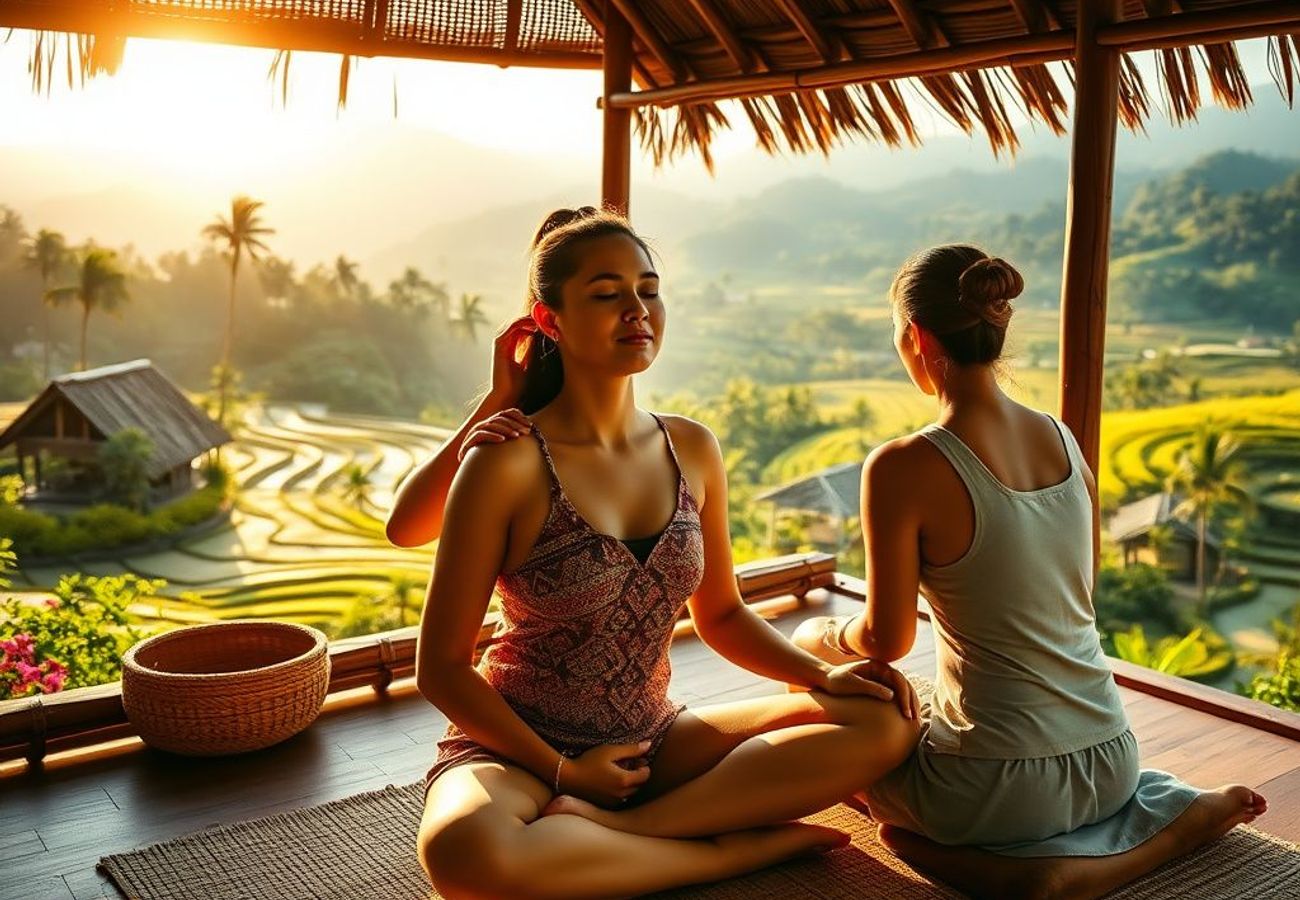
Image generated by AI
The Philippines' Bold Bet on Wellness Tourism Leadership
The Philippines is making a serious play for a larger slice of the global wellness tourism pie. What was once Thailand and Indonesia's exclusive playground is becoming increasingly crowded as the island nation doubles down on infrastructure, regulatory standards, and cultural authenticity to carve out its own niche in the rapidly expanding wellness travel sector.
The shift isn't subtle. Over the past 18 months, the country has fundamentally restructured how it packages wellness experiences—moving beyond generic resort amenities to anchor itself in genuine cultural traditions and locally rooted healing practices.
Reddit: "The Philippines' approach feels different from Bali—less commercialized, more rooted in actual community traditions." — r/travel
Cultural Heritage as Competitive Advantage
At the heart of this strategy lies a recognition that modern wellness travelers crave authenticity. The Philippines has begun systematically integrating traditional Filipino healing practices—herbal therapies, indigenous massage traditions, and community-based healing rituals—into formal tourism offerings.
This isn't window dressing. These practices are being woven into structured wellness packages designed for both domestic and international visitors, positioning the country as offering something genuinely different from its regional competitors.
By emphasizing cultural immersion and authenticity, the Philippines is betting that travelers increasingly tired of standardized spa experiences will pay premium prices for the real thing. Indigenous knowledge systems are being elevated from local practice to destination identity.
Infrastructure: The Foundation Nobody Talks About
Wellness tourism doesn't happen without roads, airports, and reliable hospitality. The Philippines has invested substantially in upgrading transportation networks, airport facilities, and road connectivity across key wellness destinations.
Island retreats, mountain wellness centers, and coastal resorts have been developed or significantly upgraded. The goal is simple: eliminate friction between arrival and relaxation.
These improvements address a critical pain point that has historically disadvantaged the Philippines against Thailand's established infrastructure or Bali's accessibility. Enhanced connectivity means international travelers can actually reach these wellness destinations without logistical nightmares.
Regulatory Modernization: Building Trust Through Standards
What often gets overlooked in destination marketing is the boring but essential work of regulation. The Philippines has strengthened frameworks governing spa operations, therapeutic services, and wellness facilities.
Standards for service quality and safety have been explicitly aligned with international best practices. Training programs for wellness practitioners and hospitality workers have been expanded accordingly.
This matters because international travelers want assurance. They need confidence that a "traditional healer" certification means something real—not just a marketing label. By establishing clear regulatory pathways, the Philippines is building institutional trust.
The Regional Competitive Landscape
Thailand remains formidable. The country has decades of established spa industry dominance, globally recognized holistic retreat centers, and masterful international branding. Bali, Indonesia's flagship wellness destination, commands similar gravitational pull through its yoga, meditation, and spiritual tourism reputation.
Yet both destinations face an emerging challenge: they're becoming crowded and increasingly standardized. Thailand's wellness tourism infrastructure, while excellent, has been commoditized. Indonesia faces similar saturation pressures, particularly in Bali.
The Philippines, by contrast, presents an alternative: island-based wellness environments paired with cultural practices genuinely unique to Filipino heritage. This isn't a direct competition on Thailand's terms. It's competition through differentiation.
Post-Pandemic Travel Reshapes Wellness Demand
The global wellness tourism market has fundamentally shifted post-pandemic. According to industry research on wellness travel trends, travelers increasingly prioritize slower, more meaningful experiences emphasizing mental health, physical restoration, and cultural connection.
This trend favors the Philippines's positioning. Its natural landscapes, tropical environments, and cultural wellness traditions align precisely with what modern travelers are seeking.
Destinations across Luzon, Visayas, and Mindanao are being repositioned as wellness hubs offering retreats, eco-lodges, and nature-based healing experiences. The marketing narrative has shifted from "beach vacation" to "restorative cultural immersion."
Private Sector Driving Innovation
Hotels, boutique wellness centers, and eco-retreat operators have become the real engine of expansion. Private investment has introduced yoga retreats, specialized spa therapies, meditation programs, and immersion experiences designed explicitly for international wellness travelers.
Public-private partnerships are accelerating this development. The government provides infrastructure and regulatory clarity; private operators handle innovation and service delivery. This division of labor is working.
The result: diverse wellness offerings that didn't exist two years ago, now competing directly with established Thailand and Bali options on both price and authenticity metrics.
Sustainability: The Modern Wellness Prerequisite
Eco-friendly resort designs aren't optional anymore—they're expected. The Philippines has prioritized conservation initiatives and responsible tourism practices across its wellness sector.
Island ecosystems, coastal areas, and forested regions have been identified as priority zones for sustainable development. These aren't abstract commitments; they're built into regulatory frameworks and resort licensing requirements.
Leading sustainability standards in tourism now shape how wellness facilities operate. This positions the Philippines favorably against competitors with weaker environmental records.
The Outlook: Emerging But Not Dominant
Expect continued growth. The Philippines won't dethrone Thailand as the region's wellness tourism leader in the near term. But it will increasingly capture market share from travelers seeking alternatives to overcrowded established destinations.
What makes this story compelling is the strategic coherence. Infrastructure improvements, regulatory modernization, cultural positioning, and private sector investment aren't random initiatives—they're coordinated elements of a deliberate competitive strategy.
The Philippines is playing the long game, building institutional capacity rather than chasing short-term tourism spikes. That approach typically wins in competitive markets.
The wellness tourism wars are heating up—and the Philippines just entered the arena with a genuinely competitive play.
Related Travel Guides
Disclaimer
This article is for informational and educational purposes only. It does not constitute legal, financial, or professional advice. While we strive to provide accurate and up-to-date information, travel policies, regulations, and conditions change rapidly. Always verify information with official sources before making travel decisions. Nomad Lawyer makes no representations about the accuracy, reliability, completeness, or suitability of the information provided. Readers should consult qualified professionals for advice specific to their circumstances. The views expressed in this article are those of the author and do not necessarily reflect the views of Nomad Lawyer.
Kunal K Choudhary
Co-Founder & Contributor
A passionate traveller and tech enthusiast. Kunal contributes to the vision and growth of Nomad Lawyer, bringing fresh perspectives and driving the community forward.
Learn more about our team →