
Air India Flight Diversion Leaves 280+ Passengers Without Luggage in Saudi Arabia — Here's What Happened
A New York-to-Mumbai Air India flight diverted to Saudi Arabia on March 19, 2026, after a cargo fire alert. Over 280 passengers are still waiting for their checked luggage with no confirmed timeline for retrieval.

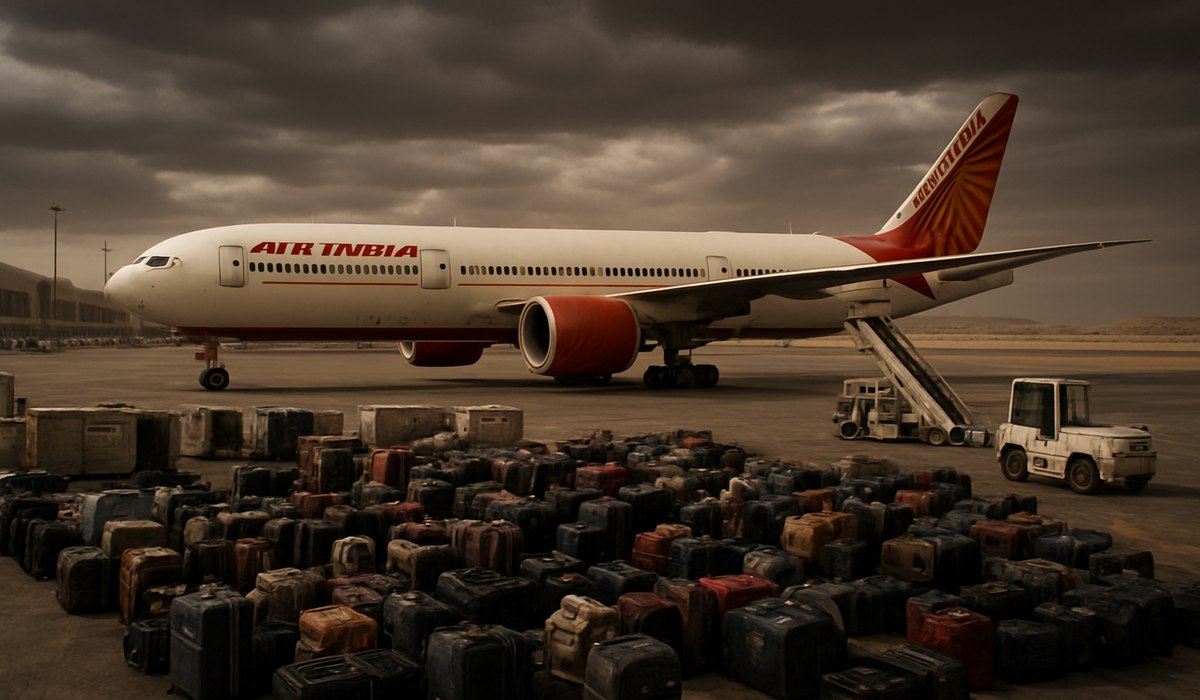
Image generated by AI
Air India Passengers Stranded Without Luggage After Mid-Flight Emergency Diversion
A routine New York-to-Mumbai service on Air India experienced an unexpected emergency on March 19, 2026, when flight crews detected a cargo hold alert mid-flight. The Boeing 777-300ER (registration VT-AER) carrying more than 280 passengers diverted to Prince Mohammad bin Abdulaziz International Airport in Medina, Saudi Arabia, for safety precautions. While the aircraft landed safely and the alert proved to be a false alarm, a far more serious problem unfolded: checked baggage for all passengers remained behind in Medina with no clear recovery timeline.
Now, over a week later, passengers remain separated from their essential belongings. Air India's shifting explanations regarding geopolitical obstacles have left travelers frustrated, confused, and increasingly skeptical about the airline's baggage handling protocols during emergency situations.
Quick Summary
- Air India Flight AI 116 diverted to Medina on March 19, 2026 after cargo alert
- Over 280 passengers' checked bags stranded in Saudi Arabia
- Aircraft safely continued to Mumbai; luggage did not
- Geopolitical constraints cited as reason for retrieval delay
- Passengers tracking bags via Apple AirTags; retrieval timeline unclear
The March 19 Emergency: Cargo Alert Triggers Precautionary Diversion
Flight AI 116 departed New York's John F. Kennedy International Airport with a Boeing 777-300ER registered VT-AER, bound for Mumbai. Approximately halfway through the transoceanic journey, aircraft systems detected a potential fire signal within the cargo compartment. Following standard safety protocols, flight crew immediately decided to land at the nearest suitable airport for inspection and investigation.
Medina's Prince Mohammad bin Abdulaziz International Airport, located in Saudi Arabia's western region, became the diversion point. The aircraft landed safely, and maintenance teams conducted thorough inspections of the cargo hold. Testing revealed that the fire detection system had produced a false alarm—no actual fire or cargo threat existed.
The crew and passengers faced a decision point: continue the journey or wait for further procedures. Since the aircraft itself was safe, the decision was made to allow the flight to depart and reach its final destination in Mumbai. However, one critical problem remained: the checked baggage remained in Medina.
The Baggage Crisis Begins: 280+ Passengers Waiting
Upon landing in Mumbai, passengers discovered that their checked luggage had not arrived with the aircraft. Air India initially explained that the bags would be transferred to the nearby city of Jeddah, where the airline operates regular Mumbai service. The airline promised that luggage would return via connecting flights by March 28, 2026—just over a week after the diversion.
That timeline proved optimistic. Days passed, and the reassurance evaporated. Air India suddenly altered its message, citing vague "geopolitical constraints" as the reason baggage could not be retrieved from Medina or transferred through alternative routes. The airline provided no detailed explanation of what these constraints entailed or why rerouting through Jeddah—where Air India maintains scheduled service—remained impossible.
Passengers took matters into their own hands. Several travelers equipped their checked bags with Apple AirTags before loading them onto Flight AI 116. When they opened the tracking app after landing in Mumbai, they found a troubling confirmation: their bags remained stationary in Medina with no movement for days.
Key Facts About the Stranded Baggage:
- 280+ checked bags left behind in Medina
- Initial retrieval promise: March 28, 2026 (not met)
- Current status: No confirmed timeline provided
- Tracking method: Passengers using Apple AirTags confirm Medina location
- Airline excuse: Geopolitical constraints (details not specified)
The Human Cost: Families Without Essential Medications
Beyond the inconvenience of missing luggage lie genuine hardships. One family's situation particularly highlights the crisis: their young child's essential medications were packed in checked baggage. Over a week without these pharmaceuticals has created alarming health concerns. The family sought compensation and expedited retrieval but encountered unresponsive customer support and no clarity on reimbursement processes.
Other stranded passengers have incurred unexpected expenses replacing clothes, toiletries, and essentials while waiting—over ten days now—for baggage return. Air India has not addressed reimbursement requests with transparent eligibility criteria or timelines.
The airline's communication breakdown extends beyond baggage tracking. Passengers report that Air India ground staff cannot provide consistent updates or accurate information about when belongings will be returned. This inconsistency compounds frustration among travelers already dealing with unexpected disruptions to their travel plans.
A Troubling Pattern: Another Air India Diversion Earlier in March
The March 19 baggage crisis was not Air India's first service disruption that month. Earlier in March 2026, Flight AI 102 from New York to Delhi experienced a technical malfunction, forcing diversion to Shannon Airport in Ireland. Passengers endured 34+ hours of uncertainty while engineers inspected the aircraft.
Despite the comparable severity of that incident, Air India's response differed markedly. The airline arranged a dedicated evacuation flight to relocate passengers and resolve the stranding efficiently. The contrast between the swift passenger care on Flight AI 102 and the continued baggage limbo on Flight AI 116 raises troubling questions about Air India's consistency in emergency response protocols.
What This Means for Future Travelers
The incident exposes gaps in Air India's baggage accountability systems and emergency diversion procedures. Passengers booking connections or tight international itineraries face particular risk. If your checked bags are left behind in a third country with no clear recovery mechanism, tight connections become impossible, and additional accommodation and meal expenses accumulate quickly.
The suggestion that "geopolitical constraints" prevents baggage transfer without detailed explanation undermines passenger trust. Airlines should maintain contingency protocols—particularly with neighboring states—to ensure baggage doesn't remain stranded indefinitely.
Passengers considering Air India should consider whether to carry valuable, medication-dependent, or time-sensitive items in checked baggage on long-haul international routes. Until the airline demonstrates improved baggage handling during emergencies, the safest approach involves keeping critical items in carry-on luggage.
Frequently Asked Questions
What exactly are the "geopolitical constraints" preventing baggage return? Air India has not provided specific details. The airline's vague reference suggests political or regulatory barriers between Saudi Arabia and India, but the airline should clarify publicly.
How long will passengers wait for their checked baggage? No official timeline exists. Air India initially promised March 28, 2026, but that deadline passed without baggage movement.
Can passengers track their bags in real time? Travelers have used Apple AirTags to confirm bags remain in Medina. Air India's official tracking system provides no meaningful updates.
Is Air India offering compensation for this incident? The airline has not announced compensation policies or reimbursement eligibility criteria for incidental expenses passengers incurred due to missing baggage.
Should travelers avoid Air India due to this incident? While isolated incidents can occur with any airline, the lack of transparent communication and prolonged resolution suggests caution. Travelers should carefully weigh luggage insurance and emergency protocols before booking Air India long-haul flights.
What should passengers do if their Air India flight is diverted? Immediately inquire about baggage status, request written confirmation of retrieval timelines, document all expenses, and maintain communication records with crew and ground staff for compensation claims.
Disclaimer
This article is for informational and educational purposes only. It does not constitute legal, financial, or professional advice. While we strive to provide accurate and up-to-date information, travel policies, regulations, and conditions change rapidly. Always verify information with official sources before making travel decisions. Nomad Lawyer makes no representations about the accuracy, reliability, completeness, or suitability of the information provided. Readers should consult qualified professionals for advice specific to their circumstances. The views expressed in this article are those of the author and do not necessarily reflect the views of Nomad Lawyer.
Raushan Kumar
Founder & Lead Developer
Full-stack developer with 11+ years of experience and a passionate traveller. Raushan built Nomad Lawyer from the ground up with a vision to create the best travel and law experience on the web.
Learn more about our team →