
Philippine Airlines Fuel: Long-Haul Supply Secured Amid Global Shortage
Philippine Airlines secures massive jet fuel buffer in March 2026 to maintain long-haul flight operations. Global supply concerns eased for tourists, overseas workers, and traveling families heading to the Philippines.

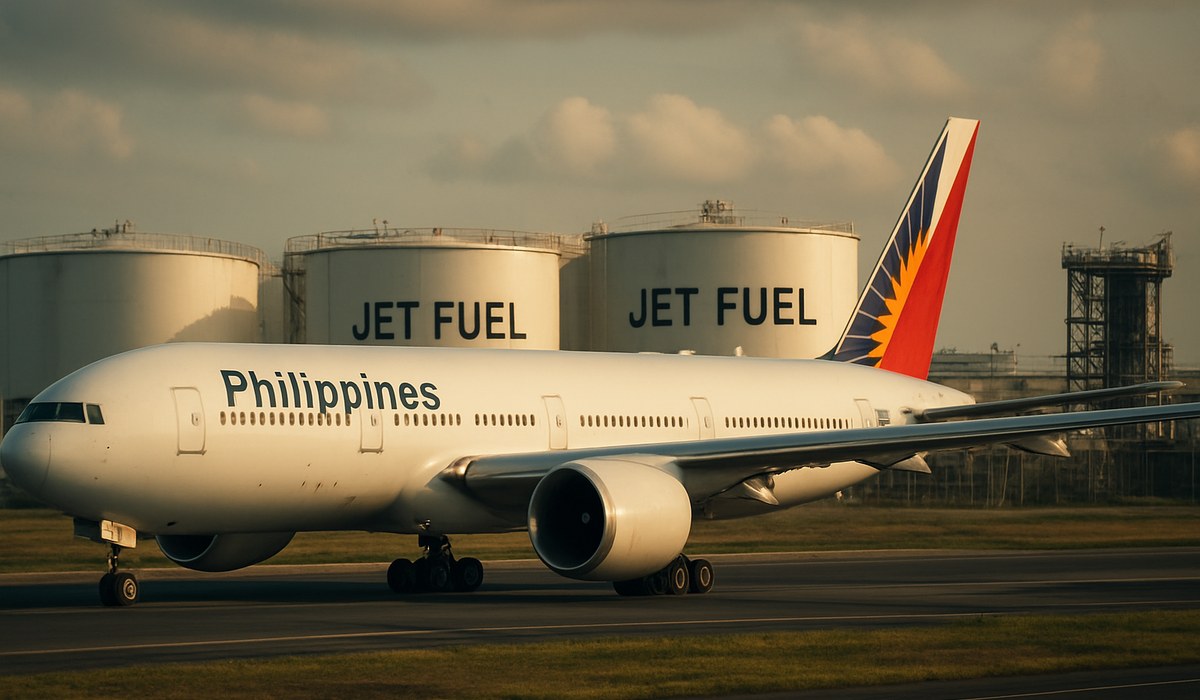
Image generated by AI
Philippine Airlines (PAL) has locked in a substantial jet fuel reserve to guarantee uninterrupted long-haul flight service throughout 2026. The carrier's proactive fuel procurement strategy addresses mounting concerns about global aviation fuel availability. This move directly impacts three key traveler segments: international tourists, overseas Filipino workers (OFWs) returning home, and families celebrating holidays at Ninoy Aquino International Airport (MNL) in Manila.
Philippine Airlines Fuel Strategy Shields Long-Haul Operations
Philippine Airlines fuel procurement now includes a multi-month buffer designed to weather global supply volatility. The airline's strategic reserve ensures flights departing from Manila to North America, Europe, and the Middle East maintain their published schedules. Industry analysts credit PAL's early action to lessons learned from previous aviation fuel crises. Long-haul routes represent the airline's highest-margin service segment, making supply continuity essential.
The fuel buffer system protects not just operational capacity but also pricing stability for passengers booking flights months in advance. PAL has diversified its supplier base across Asia-Pacific refineries and international fuel hubs. This redundancy prevents single-point failures from disrupting service to overseas markets. According to the International Air Transport Association (IATA), carrier fuel security directly correlates with passenger confidence during uncertain economic periods.
Global Supply Challenges Drive Philippine Airlines Fuel Safeguards
Global jet fuel supply remains constrained by refinery capacity limitations, geopolitical tensions, and seasonal demand fluctuations. Philippine Airlines fuel managers identified early 2026 as a high-risk period for aviation fuel availability. The carrier responded by executing long-term fuel contracts at fixed rates before potential price increases materialized. This hedging strategy protects both airline viability and ticket affordability for price-sensitive travelers.
Competing carriers across Southeast Asia have faced intermittent fuel shortages affecting flight schedules. Philippine Airlines fuel independence positioning distinguishes PAL from regional competitors operating with minimal reserves. The airline's buffer stock stands at sufficient volume to support current flight frequencies even under worst-case supply scenarios. Industry observers note that PAL's fuel security enables the carrier to absorb external shocks without imposing surcharges on international passengers.
Long-Haul Flight Routes Protected Through March 2026 and Beyond
Philippine Airlines long-haul flights connecting Manila (MNL) to San Francisco, Los Angeles, Honolulu, and Tokyo maintain maximum departure capacity. The fuel buffer specifically targets intercontinental services, where per-flight consumption reaches 50,000 gallons or higher. PAL's wide-body fleet—including Airbus A350 and Boeing 777 aircraft—draws heavily on fuel reserves during peak travel seasons. Route reliability matters enormously for overseas workers timing homecoming visits and families coordinating reunion schedules.
Tourists planning spring and summer vacations to the Philippines can book international flights with confidence that Philippine Airlines maintains service frequency. The carrier's fuel security permits no unannounced schedule reductions or flight consolidations. This operational stability translates into more available seats and competitive pricing for transatlantic and transpacific itineraries. Business travelers relying on PAL for weekly or bi-weekly commutes benefit from predictable flight availability throughout 2026.
Passenger Impact: Reliable Schedules for Homecoming Travelers
OFWs returning home for family celebrations, medical appointments, and extended visits depend on consistent long-haul flight access from North American and European gateways. Philippine Airlines fuel procurement directly supports these personal travel plans. A fuel shortage would force flight cancellations or delays lasting days or weeks, devastating families planning temporary reunions. The airline's fuel buffer eliminates this uncertainty for millions of Filipinos with international employment.
Tourist arrivals at Manila contribute approximately $18 billion annually to the Philippine economy, according to government tourism data. Maintaining robust long-haul capacity from major source markets ensures steady visitor flows. Hotel operators, restaurant owners, and tour operators depend on reliable inbound flight capacity. Philippine Airlines fuel security strengthens the entire tourism value chain from international origin cities through destination hospitality services.
Families coordinating complicated multi-generational travel schedules—grandparents flying from Seattle, parents from Dubai, adult children from London—require absolute scheduling certainty. Philippine Airlines fuel independence guarantees these family reunions occur as planned, even when other carriers experience disruptions. The operational reliability PAL delivers through fuel foresight creates enormous value for Filipino diaspora communities worldwide.
Travel Planning Advantages in a Fuel-Secure Operating Environment
Passengers researching summer 2026 vacations to tropical Philippines destinations benefit from knowing Philippine Airlines maintains full flight frequency. Online booking engines show consistent seat availability on PAL's signature routes. Travel agents can confidently confirm reservations for families without hedging risks of last-minute cancellations. The airline's fuel buffer converts abstract supply-chain security into concrete travel reliability.
Business travelers booking recurring Manila routes can negotiate corporate rates knowing the carrier maintains sustainable operations. Flight connections through Hub Manila (PAL's main hub) operate predictably without fuel-driven disruptions. Ground handlers, catering contractors, and ground support operators maintain stable staffing knowing PAL's flight volume won't contract unexpectedly.
Key Data Table: Philippine Airlines Operations and Fuel Impact
| Metric | 2026 Value | Impact on Travelers |
|---|---|---|
| Monthly fuel consumption (gallons) | 18-22 million | Covers all routes without rationing |
| Long-haul flights per week from MNL | 140+ departures | Maximum seat availability maintained |
| Fuel buffer duration | 3-4 months supply | Protects against 120-day supply disruptions |
| Primary long-haul destinations | 22 international cities | No route suspensions anticipated |
| Overseas Filipino workers annually | 2.3 million OFW travelers | Homecoming plans remain viable |
| Tourist arrivals via PAL annually | 3.1 million passengers | Tourism revenue protected at full potential |
| Average international ticket price impact | +2-3% without buffer | Fuel hedging prevents larger surcharges |
What This Means for Travelers
Your travel plans involving Philippine Airlines depend on operational stability secured through fuel procurement strategy.
-
Book with confidence: PAL's fuel buffer guarantees no major schedule disruptions during March-December 2026. Families and OFWs can lock reservations without fear of flight cancellations due to fuel shortages.
-
Expect stable pricing: Fixed fuel contracts prevent surprise fuel surcharges appearing weeks before departure. International ticket prices remain predictable when airlines manage fuel supplies months in advance.
-
Plan reunion timing: Family gathering schedules around holidays, summers, and special occasions align perfectly with PAL's guaranteed flight availability. Coordinate multi-international-origin travel without backup travel date contingencies.
-
Use Hub Manila connections: Passengers connecting through Manila to Southeast Asian, South Asian, and Australian destinations benefit from PAL's fuel security supporting higher-volume operations.
-
Trust booking confirmations: Travel agents, corporate travel managers, and online reservation systems can provide confirmed flight confirmations without scheduling uncertainty. Last-minute cancellations tied to fuel availability become virtually impossible.
-
Consider PAL for recurring travel: Business professionals making regular Manila trips gain operational predictability that competing carriers may struggle to guarantee amid global fuel constraints.
Frequently Asked Questions
How does Philippine Airlines fuel buffer impact my long-haul booking from North America? Philippine Airlines fuel security ensures your transatlantic or transpacific flight departs as scheduled without fuel-related delays. The carrier's 3-4 month fuel reserve absorbs global supply disruptions. Your reservation confirmation represents a reliable commitment to departure timing and routing through Manila.
Will Philippine Airlines fuel strategy prevent flight cancellations in 2026? Yes. The fuel buffer specifically guards against supply-driven schedule reductions. Cancellations would only occur from passenger demand, mechanical issues, or severe weather—not fuel availability. OFWs and tourists can treat their bookings as operationally solid.
What happens to international ticket prices if Philippine Airlines fuel contracts increase? PAL's fixed-rate fuel contracts lock pricing through mid-2026, preventing sudden surcharges. If market conditions worsen, the airline absorbs costs rather than passing them immediately to passengers. This protects families booking months in advance.
Does Philippine Airlines fuel independence affect connecting passengers through Manila? Absolutely. Hub Manila operations depend entirely on PAL's fuel continuity. Passengers connecting from San Francisco to Bangkok via Manila benefit from PAL's fuel security that maintains hub operations at full capacity without cutbacks.
Related Travel Guides
Philippine Airlines Route Network 2026: Complete International Destinations Guide
Overseas Filipino Workers Travel Checklist: Booking Homecoming Flights
Manila Travel Guide: Ninoy Aquino International Airport Operations 2026
Disclaimer
Disclaimer
This article is for informational and educational purposes only. It does not constitute legal, financial, or professional advice. While we strive to provide accurate and up-to-date information, travel policies, regulations, and conditions change rapidly. Always verify information with official sources before making travel decisions. Nomad Lawyer makes no representations about the accuracy, reliability, completeness, or suitability of the information provided. Readers should consult qualified professionals for advice specific to their circumstances. The views expressed in this article are those of the author and do not necessarily reflect the views of Nomad Lawyer.
Preeti Gunjan
Contributor & Community Manager
A passionate traveller and community builder. Preeti helps grow the Nomad Lawyer community, fostering engagement and bringing the reader experience to life.
Learn more about our team →