
Peru Reissues 2026 Travel Advisory Urging Extra Caution Across Mountain Transit Corridors and Remote Border Regions
Peru updates its 2026 travel warning advising caution for international tourists traveling through Machu Picchu, Cusco, and the Andes amidst regional security risks.

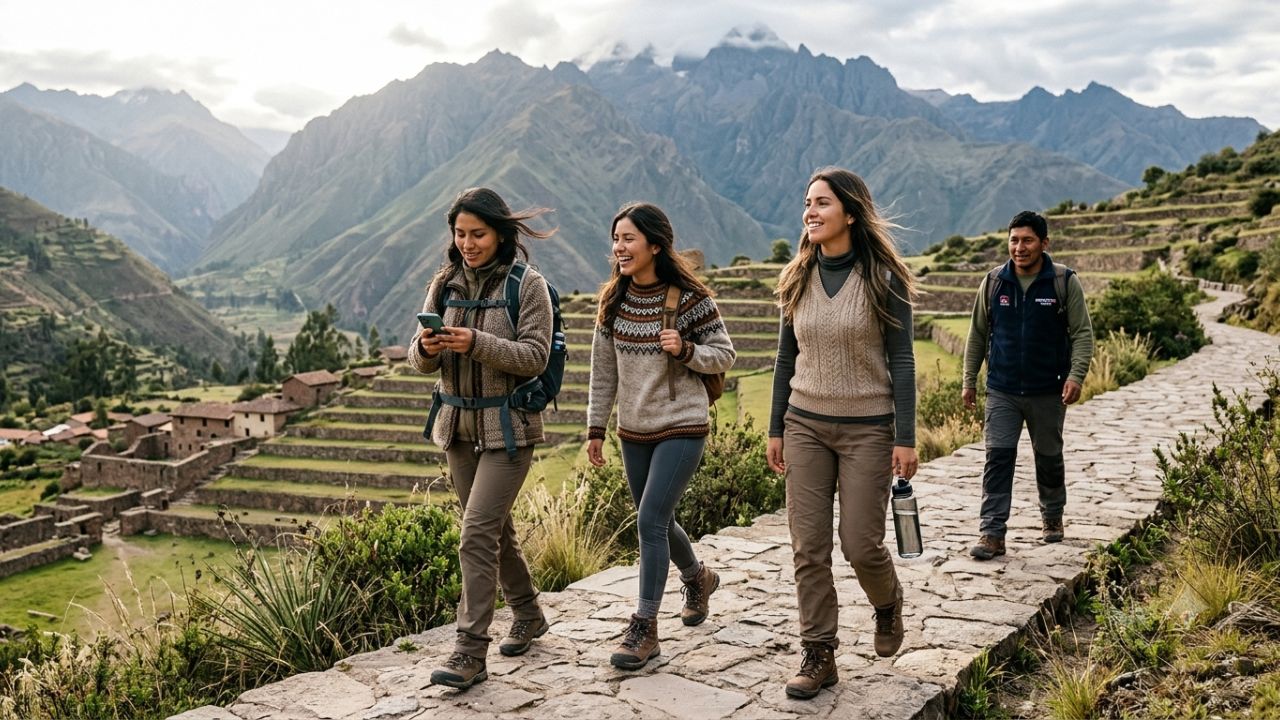
Image generated by AI
Peru authorities have updated the national travel warning for 2026, advising international travelers to exercise heightened caution across mountain transit corridors and remote highland regions while maintaining operations across primary tourist destinations.
The official guidance keeps Peru under a overall caution advisory rather than instituting a nationwide travel ban. Officials recognize the essential role of global tourism to the country's economy while alerting visitors to marked security variations between urban centers, popular heritage sites, and isolated provincial corridors. The update emphasizes risks stemming from street crime, theft, violent robbery, kidnapping, civil unrest, activism, and localized terrorism concerns.
Peru Reissues 2026 Travel Advisory Amid Regional Security Concerns
The travel advisory update reflects shifting safety conditions across South America, where international security guidance directly shapes tourist routing and booking patterns. Foreign travelers planning cultural excursions, mountain trekking, or independent road journeys are encouraged to evaluate destination-specific safety parameters before departure.
Peru's tourism sector relies heavily on international visitors arriving at historic cities and mountain sanctuaries. While central tourist infrastructure remains active, safety officials note that independent journeys outside established transit routes demand increased personal vigilance and detailed advance planning.
Peru Transit Corridor Risk Assessment 2026
Security protocols and risk profiles vary significantly depending on the specific department and transit corridor. The table below outlines the current advisory status and regional parameters across Peru:
| Region / Transit Corridor | Threat Level | Primary Risk Factors | Operational Status | Recommended Safety Protocol |
|---|---|---|---|---|
| Machu Picchu & Sacred Valley | Caution Category | Petty theft, crowded transit risks | Fully Operational | Use registered tour operators & licensed rail services |
| Cusco Urban & Gateway Hub | Caution Category | Street crime, pickpocketing, opportunism | Fully Operational | Avoid unvetted street transit after dark |
| Inca Trail & Trekking Routes | Caution Category | Remote terrain, limited emergency access | Fully Operational | Trek with certified guides & carry comprehensive insurance |
| VRAEM (Apurímac, Ene, Mantaro Valleys) | High Risk Warning | Organised crime, terrorism, kidnapping | Travel Discouraged | Avoid non-essential transit across river basin corridors |
| Northern & Eastern Border Zones | High Risk Warning | Illegal cross-border activity, drug smuggling | Restricted Access | Use only official international border checkpoints |
Security Discrepancy Between Tourist Hubs and High-Risk Zones
The travel advisory makes a clear distinction between main tourist corridors and high-risk provincial zones. Iconic historic locations—including Machu Picchu, the ancient Incan fortress of Cusco, and the surrounding Sacred Valley—are not classified among the highest-risk regions. International visitors continue to travel along these established routes, utilizing organized excursions, registered guides, and licensed rail operators.
In contrast, specific remote regions face heightened warnings due to long-standing security challenges. The VRAEM region—encompassing parts of the Apurímac, Ene, and Mantaro river valleys—remains under strict warnings due to organized crime networks, illegal drug trade activity, and terrorism risks. Border areas near Colombia also receive elevated scrutiny from security authorities due to illicit cross-border operations.
For mountain adventure enthusiasts, popular trekking routes such as the Inca Trail remain open. However, experts emphasize that high-altitude remote treks require choosing experienced local operators and maintaining continuous awareness of environmental and security conditions.
Traveler Logistics Guide: Navigation, Layovers, and Transit Safety
Navigating Peru's transit infrastructure during an updated safety advisory requires structured logistical planning. Travelers can mitigate risks by adhering to standardized transit procedures:
-
Airport Connections and Transfers
- Lima Gateway Layovers: Passengers connecting through Jorge Chávez International Airport (LIM) to domestic flights bound for Cusco (CUZ) should schedule a minimum 3-hour layover to allow for customs clearance and baggage re-check.
- Authorized Airport Transport: Arriving passengers should utilize official taxi desks located inside airport arrivals terminals (such as Green Taxi or 365 Taxi) rather than street cabs outside the terminal gates.
-
Rail and Mountain Transit Booking
- Machu Picchu Train Connections: Book PeruRail or Inca Rail tickets well in advance. Rail services operating between Ollantaytambo and Aguas Calientes maintain strict luggage limits (typically 5 kg per passenger), requiring secure luggage storage at Cusco hotel facilities.
- Digital Immigration Compliance: Ensure complete registration on the Superintendencia Nacional de Migraciones online system to confirm digital entry records (TAM Virtual) upon entering the country.
-
Urban Personal Safety Protocols
- Valuables Security: Keep high-value cameras, smartphones, passports, and credit cards concealed while navigating crowded markets or public squares in Cusco and Lima.
- Night Travel Limits: Avoid unlit streets and isolated alleys after dusk. Utilize app-based transport services or hotel-arranged taxis when returning from late-night dining.
-
Adventure Trekking and Insurance Readiness
- Certified Tour Operators: Verify that trekking agencies belong to official associations such as AATC (Asociación de Agencias de Turismo de Cusco) or MINCETUR registries.
- Specialized Insurance: Purchase travel insurance that covers emergency medical evacuation, mountain rescue operations, and trip interruptions above 3,000 meters altitude.
Regional Infrastructure and Tourism Impact Assessment
The updated travel advisory highlights the delicate balance between maintaining international visitor confidence and providing accurate risk communication. Destination management organizations, hotel operators, and transport companies are strengthening ground-level support systems to assist international guests.
As global adventure travel continues to expand, visitor numbers to the Andes remain resilient. Travelers who prepare thoroughly, stay on vetted travel routes, and respect local safety guidance can experience Peru's rich Incan heritage while managing security risks effectively.
Related Travel Guides
Brazil Travel Safety Alert: Increased Risk of Violent Crime and Drink-Spiking
The 10 Best Safe Trekking Routes in South America, According To Reddit
Disclaimer
This article is for informational and educational purposes only. It does not constitute legal, financial, or professional advice. While we strive to provide accurate and up-to-date information, travel policies, regulations, and conditions change rapidly. Always verify information with official sources before making travel decisions. Nomad Lawyer makes no representations about the accuracy, reliability, completeness, or suitability of the information provided. Readers should consult qualified professionals for advice specific to their circumstances. The views expressed in this article are those of the author and do not necessarily reflect the views of Nomad Lawyer.
Raushan Kumar
Founder & Lead Developer
Full-stack developer with 11+ years of experience and a passionate traveller. Raushan built Nomad Lawyer from the ground up with a vision to create the best travel and law experience on the web.
Learn more about our team →