
British Airways Diversion Leaves Passengers in Subzero Arctic Ordeal
British Airways passengers faced a harrowing ordeal after their diverted flight left them stranded in subzero temperatures across Arctic northern Europe in April 2026, raising serious questions about airline duty of care.

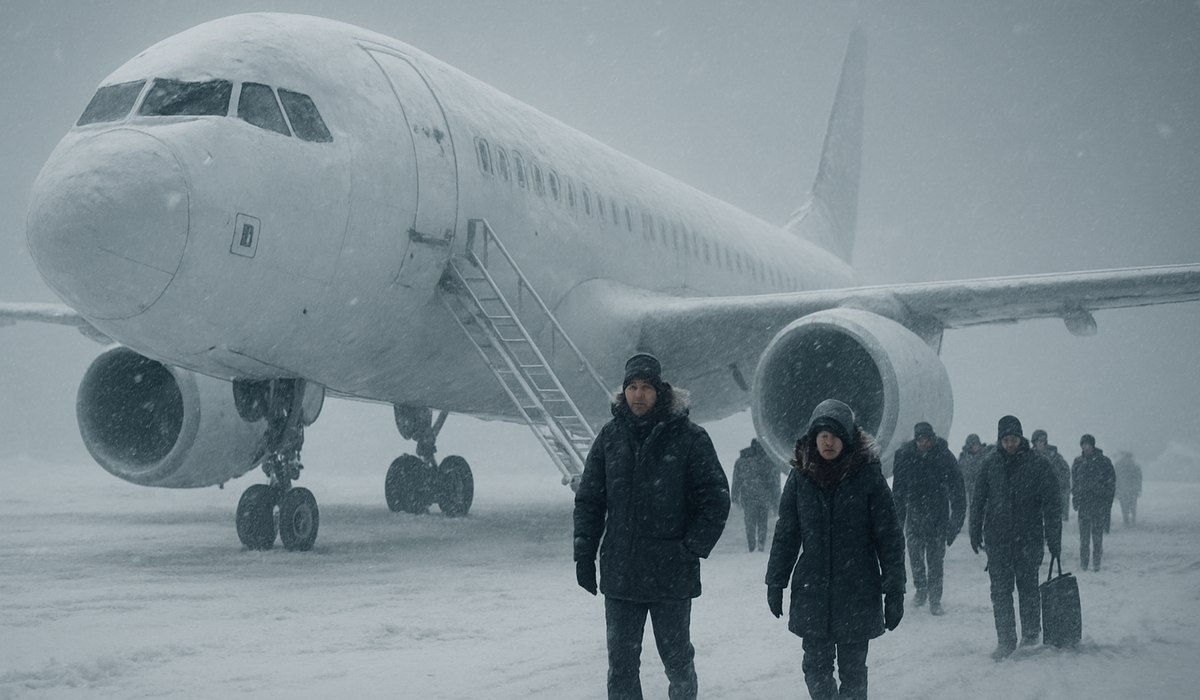
Image generated by AI
Lede
British Airways passengers endured a freezing nightmare after their diverted flight left them exposed to subzero Arctic temperatures during a routine European operation in early April 2026. The incident unfolded across northern Europe when severe winter weather forced the aircraft to land at an unprepared facility, where travelers—including families with children and elderly passengers—were left standing outside in dangerous cold. This ordeal has sparked renewed scrutiny of airline duty of care obligations during extreme weather diversions and highlighted infrastructure gaps at secondary airports handling unexpected traffic surges.
British Airways Diversion Turns Routine Flight Into Freezing Ordeal
The British Airways diversion occurred against a backdrop of exceptional Arctic conditions that disrupted air travel across northern Europe. When temperatures plunged to record lows and operations at the intended destination became severely constrained, the aircraft was redirected to an alternative airport with limited ground infrastructure for handling sudden arrivals.
Passenger accounts describe a chaotic scene as travelers were asked to disembark onto open apron areas rather than proceeding directly into terminals or boarding heated ground transport. Families with young children and elderly passengers reported standing outside for extended periods while ground crews struggled to arrange buses and clarify onward arrangements. Social media posts from affected travelers referenced inadequate winter clothing, fears of frostbite, and frustration over minimal communication from airline staff.
What began as a standard operational decision to ensure flight safety transformed into a humanitarian crisis when diversion airport capacity and staffing proved insufficient. The gap between what should have been a 30-minute ground stop and the actual timeline passengers experienced revealed troubling vulnerabilities in Europe's winter travel infrastructure. Multiple passenger testimonies indicated that alternative shelter options existed but were not immediately deployed, raising questions about prioritization and emergency response protocols.
Extreme Arctic Weather Stretches Airport Operations to Breaking Point
The underlying cause of the British Airways diversion stems from meteorological extremes that exceeded normal winter planning parameters across Lapland and surrounding regions. Temperature readings approached minus 40 degrees Celsius—conditions severe enough to freeze ground equipment, compromise de-icing systems, and paralyze conventional airport operations.
Airports serving popular winter destinations like Kittilä reported cascading operational failures as weather systems persisted longer than typical. Runways required repeated clearing cycles. Taxiway maintenance became continuous rather than periodic. Ground handling teams faced equipment dysfunction that forced manual workarounds consuming precious time.
Standard procedures that normally take minutes—positioning passenger stairs, loading baggage, arranging shuttle buses—stretched to hours in subzero conditions. Staff rotation requirements increased due to safety concerns about prolonged outdoor exposure. De-icing procedures demanded repetition to maintain safety margins. These compounding delays created bottlenecks that funneled additional traffic to secondary facilities already operating above capacity.
Nordic airports maintain sophisticated winter operations expertise, yet the April 2026 cold snap exceeded historical planning assumptions. Equipment specifications, staffing models, and infrastructure design assumptions all proved inadequate for the extreme conditions encountered. The British Airways diversion therefore became a test case revealing where even well-resourced airport systems reach their operational limits during climate extremes.
Passenger Welfare and Airline Response Under Consumer Protection Scrutiny
The ordeal has intensified focus on airline obligations under UK 261 and EU 261 regulations, which mandate carrier provision of care and assistance during disruptions including refreshments, accommodation, and communication means. While explicit welfare requirements vary depending on delay duration and disruption classification, consumer advocates argue basic duty of care principles should prohibit leaving passengers outdoors in dangerous extreme weather.
British Airways passengers have historically reported communication gaps and slow arrangement responses during diversions and extended delays. The current incident appears consistent with these patterns, with travelers describing minimal staff interaction and unclear information about next steps or expected ground time.
Affected passengers have begun filing compensation claims and seeking reimbursement for out-of-pocket expenses incurred during the ordeal. Legal experts suggest potential grounds for claims beyond standard EU 261 compensation, including costs for emergency medical care if cold exposure caused documented injury, additional accommodation if passengers missed connections, and general damages for breach of duty of care.
Airlines operating in regions subject to extreme weather must balance safety-driven diversions against passenger welfare during ground operations. The British Airways case demonstrates that diverting an aircraft successfully means little if ground conditions at the alternate airport create worse hazards than continuing to the original destination.
What This Means for Travelers in 2026
The British Airways diversion ordeal carries important lessons for anyone traveling to Arctic and northern European destinations during winter months:
-
Pack extreme cold weather gear regardless of forecasted temperatures. Arctic weather systems can intensify beyond predictions, and unexpected ground stops may leave you outside for extended periods without access to airport resources.
-
Understand your rights under EU 261 and UK 261 regulations, which provide compensation rights during significant delays and diversions. Document all expenses, take photographs of conditions, and gather passenger contact information for potential collective claims.
-
Book direct flights when possible to northern European destinations during winter. Each connection increases exposure to diversion risk, and secondary airports often lack facilities for unexpected passenger volumes.
-
Carry essential medications and supplies in your cabin bag. Medical conditions worsened by extreme cold—respiratory issues, circulatory problems, arthritis—may be exacerbated during outdoor ground delays.
-
Stay informed about destination airport weather conditions before departure. Check real-time meteorological forecasts and airport operator updates beyond standard airline communications, which often lag behind operational reality.
-
Request written communication from airline staff about ground stops exceeding 15 minutes. This documentation supports compensation claims if delays violate care provision regulations.
Key Facts: British Airways Diversion April 2026
| Factor | Details |
|---|---|
| Affected Airline | British Airways scheduled service in northern Europe |
| Trigger Event | Severe Arctic weather system, temperatures approaching -40°C |
| Primary Impact Zone | Lapland region, northern Finland airports |
| Passenger Demographics | Families with children, elderly travelers, tourists |
| Ground Exposure Duration | Extended periods (specific timeline disputed between airline and passengers) |
| Regulatory Framework | EU 261, UK 261 passenger rights regulations |
| Reported Passenger Concerns | Inadequate shelter, insufficient communication, risk of cold injury |
| Secondary Airports Affected | Multiple facilities handling unexpected traffic during weather disruptions |
| Compensation Exposure | EU 261 claims plus potential duty of care breach claims |
| Industry Implications | Infrastructure reassessment, staffing model reviews, emergency protocol updates |
Frequently Asked Questions
What specific rights do passengers have under EU 261 if diverted during extreme weather?
EU 261 provides compensation of €250–€600 depending on flight distance, plus mandatory care including meals, refreshments, hotel accommodation, and transportation. Extreme weather may qualify as an "extraordinary circumstance" exempting airlines from financial compensation, but care provision remains mandatory. Passengers can seek additional damages for proven breach of basic duty of care, such as leaving travelers unprotected in dangerous conditions.
Can passengers claim compensation beyond standard EU 261 amounts for cold-related injury or distress?
Yes. Passengers experiencing documented cold-related injury—frostbite, hypothermia, worsening of medical conditions—may pursue additional compensation claims in UK or European courts under duty of care principles. Personal injury claims require medical documentation and causation evidence. General damages for distress and inconvenience have been awarded in previous cases involving extreme passenger discomfort during diversions.
How should travelers prepare for winter flights to Arctic and northern European destinations?
Pack extreme weather clothing including insulated coat, thermal layers, hat, gloves, and boots suitable for temperatures below minus 20°C. Carry essential medications in cabin luggage. Purchase comprehensive travel insurance covering disruption costs. Monitor destination weather patterns 72 hours before departure. Maintain contact information for your airline's passenger services team. Document all expenses during delays or diversions
Disclaimer
This article is for informational and educational purposes only. It does not constitute legal, financial, or professional advice. While we strive to provide accurate and up-to-date information, travel policies, regulations, and conditions change rapidly. Always verify information with official sources before making travel decisions. Nomad Lawyer makes no representations about the accuracy, reliability, completeness, or suitability of the information provided. Readers should consult qualified professionals for advice specific to their circumstances. The views expressed in this article are those of the author and do not necessarily reflect the views of Nomad Lawyer.
Preeti Gunjan
Contributor & Community Manager
A passionate traveller and community builder. Preeti helps grow the Nomad Lawyer community, fostering engagement and bringing the reader experience to life.
Learn more about our team →