Paris and Brussels Launch Joint European Gastronomy Pass for Organic Dining in 2026

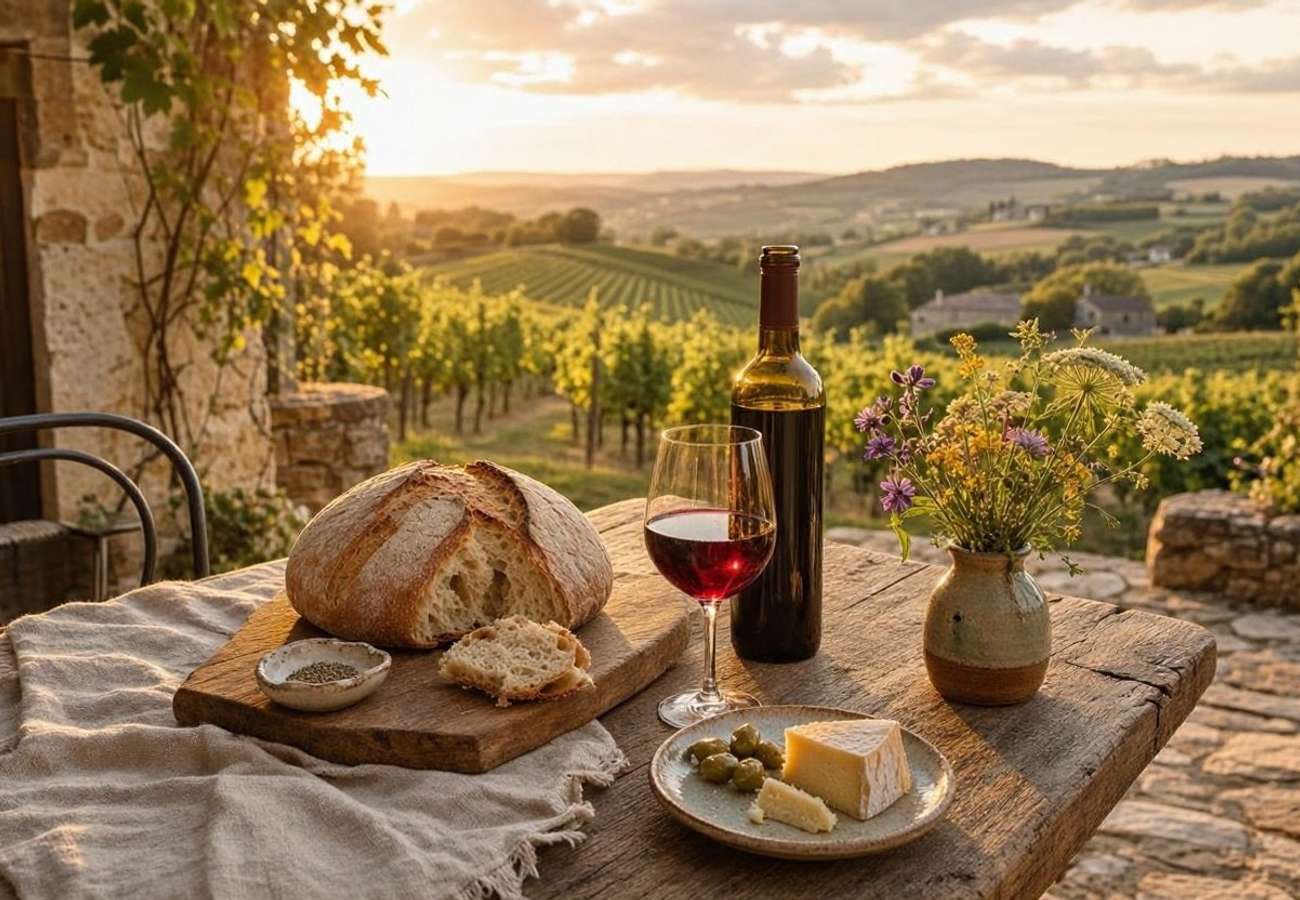
Image generated by AI
Direct revenue for rural agricultural producers has surged by 22.4% following the integration of French and Belgian culinary certifications into a single digital framework. This shift marks a departure from the fragmented regional silos that previously defined Western European food tourism, replacing disjointed provincial promotions with a unified, cross-border standard for eco-certified dining.
The Gastronomy Pass in Numbers: A Structural Shift
The European Gastronomy Pass is the result of bilateral negotiations between the Belgian Federal Public Service for Economy, SMEs, Self-Employed and Energy and the French Ministry of Agriculture and Food Sovereignty. The initiative addresses a documented rise in traveler demand for transparent, organic, and eco-certified culinary experiences.
As of October 2026, the program has moved beyond its pilot phase in Île-de-France, Grand Est, Wallonia, and Brussels-Capital to become a fully operational registry. The scale of the rollout is significant, with 1,450 verified entities now onboarded. This network is comprised of 680 gourmet restaurants, 320 organic farm-to-table bistros, and 450 historic heritage vineyards.
The digital infrastructure, managed by Atout France, VISITWallonia, and Flanders Tourism, utilizes blockchain tracking for suppliers and real-time carbon-savings calculators. This level of transparency is backed by the European Commission’s Directorate-General for Agriculture and Rural Development, ensuring that every participating venue undergoes rigorous annual third-party audits.
Comparative Context: Harmonizing Cross-Border Standards
Historically, "organic" and "sustainable" labels varied wildly between France and Belgium, creating administrative friction for restaurateurs and confusion for tourists. The 2026 framework eliminates this by enforcing Regulation (EU) 2018/848, which mandates zero synthetic pesticide use and strict ethical livestock welfare.
The most striking shift is the move toward hyper-localization. The pass requires that 70% of all raw ingredients and wines be sourced within a 150-kilometre radius of the establishment. This regulatory shift has triggered a "viticulture renaissance," particularly in the Meuse valley and the regions of Burgundy, Alsace, and Champagne.
Market Impact Analysis: Pilot Phase vs. Implementation
| Metric | Pre-Pass Fragmented Model | European Gastronomy Pass (Q1 2026) | Variance |
|---|---|---|---|
| Certified Entities | Regional/Disjointed | 1,450 Unified Registry | High Integration |
| Rural Producer Revenue | Baseline | +22.4% Increase | $\uparrow$ 22.4% |
| CO2 Emissions | Standard Supply Chain | 14,200 Metric Tonnes Reduced | $\downarrow$ Significant |
| Digital Adoption | Localized Apps | 310,000+ Downloads | High Velocity |
| Vineyard Certification | Variable Organic % | 85% Biodynamic/Organic | $\uparrow$ Shift to Bio |
What This Means for Travelers
For the individual traveler, the European Gastronomy Pass transforms the logistics of sustainable dining from a research project into a streamlined digital experience. If you are planning a culinary tour of France or Belgium in late 2026, the following data-driven insights should guide your bookings:
- Prioritize Certified Hubs: With 42% of users originating from North America, the UK, and Germany, popular organic hubs in Île-de-France and Brussels are seeing higher density. Booking dining reservations 3-4 weeks in advance is recommended for "Pass-certified" gourmet restaurants.
- Leverage the Digital Portal: Use the integrated geo-location mapping to find the 450 heritage vineyards. Because 85% of these have transitioned to biodynamic viticulture, they offer a more authentic, chemical-free tasting experience than industrial estates.
- Expect Regional Menus: Since 70% of ingredients must be sourced within 150km, menus will fluctuate strictly by season and micro-region. Do not expect standardized menus across the network; instead, look for the "Local Terroir" certification on the digital app to verify sourcing.
Forward Projection: The Blueprint for EU Tourism
The success of the Paris-Brussels axis is already being analyzed by the OECD Tourism Committee as a gold standard for transnational governance. The trajectory suggests an expansion of the pass to other EU member states, potentially integrating the "Farm to Fork" strategy across the entire Schengen Area.
The economic projection is aggressive: national economic institutes estimate that the initiative will inject over €350 million into regional agricultural economies. This is not merely a tourism play but a rural regeneration strategy designed to stop depopulation in agricultural heartlands by guaranteeing long-term procurement contracts between urban chefs and rural farmers. With €45 million in national subsidies already allocated for vineyard transitions, the infrastructure for a permanent, organic-first tourism economy is now firmly in place.
FAQ: European Gastronomy Pass 2026
Will dining prices increase due to organic certifications? While organic sourcing can carry a premium, the 22.4% revenue increase for producers is partly offset by reduced food transit miles and lower overheads from zero-waste kitchen protocols, keeping prices competitive with traditional gourmet dining.
Is the pass available for short-term visitors? Yes. The pass is accessed via a multilingual web portal and mobile app, allowing international tourists to instantly access verified organic venues and carbon-tracking tools without long-term residency requirements.
Which regions offer the most vineyard options? The highest concentration of certified vineyards is currently found in Champagne, Alsace, Burgundy, and the Belgian Meuse valley, where over 85% of participants have achieved biodynamic certification.
The era of fragmented culinary tourism has ended; the future is verified, hyper-local, and digitally integrated.
Related Travel Guides
This article is for informational purposes. Flight routes, passenger regulations, visa rules, and transit advisories are subject to change by airlines and aviation authorities. Readers are advised to verify schedules and travel documentation with relevant carriers and border agencies before departure.
Related Stories
Jamaica's Tourism 3.0 Strategy: Local First Policies and Climate Resilience Frameworks 2026

Australia and New Zealand Implement Regenerative Tourism Laws and Indigenous Land Handbacks in 2026