Jamaica's Tourism 3.0 Strategy: Local First Policies and Climate Resilience Frameworks 2026

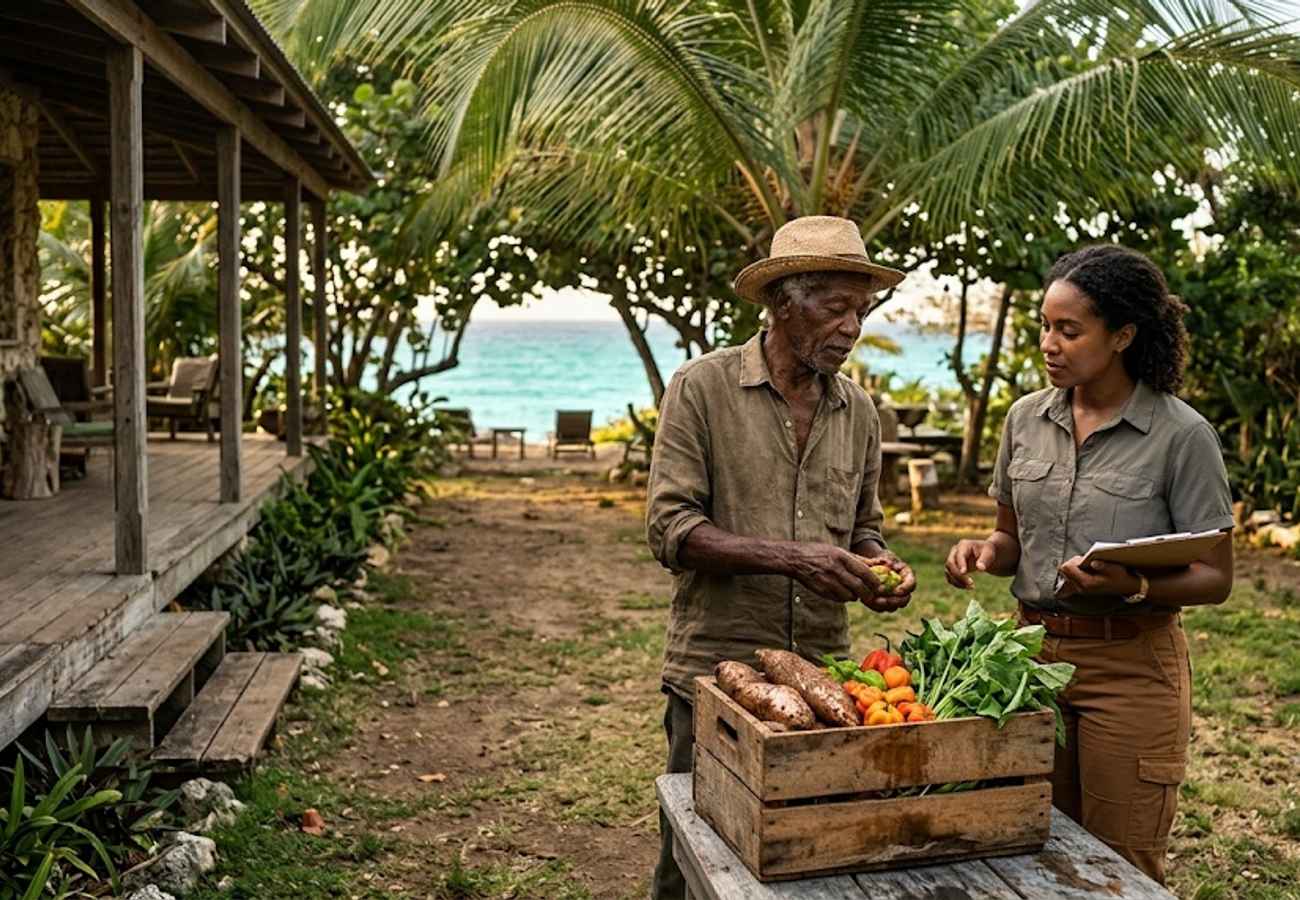
Image generated by AI
A boutique hotel owner in Treasure Beach recently watched their guest bookings plummet as Hurricane Melissa devastated coastal roads, leaving their property accessible only by boat. For this entrepreneur, and thousands of others across the south coast, the recovery isn't just about fixing a roof—it is about a fundamental shift in how Jamaica structures its entire tourism economy to survive the next climate disaster.
The Transition to Tourism 3.0 and Local First
Jamaica is currently executing a systemic pivot away from traditional metrics of success. While the island historically prioritized raw visitor arrivals and foreign exchange totals, the newly implemented Tourism 3.0 framework, launched in April 2026, focuses on geographic diversification and economic retention.
The strategy divides the island into specialized zones: the North Coast remains the hub for high-end luxury resorts; the South Coast is being repositioned for authentic, community-led experiences; and Kingston is being developed as a cultural epicenter for music and urban history. To support this growth, the government plans to integrate approximately 20,000 additional hotel rooms over the next 10 to 15 years.
Central to this is the "Local First" policy introduced in October 2025. This initiative targets "economic leakage"—the phenomenon where tourism revenue exits the country via foreign suppliers and imports. By connecting resorts directly with Jamaican artisans and farmers, the government aims to increase the percentage of tourism earnings retained domestically from 40% to a target of 50% to 60%.
Economic Impact and Environmental Health Data
The shift toward domestic procurement is already yielding measurable results through programs like the Agri-Linkages Exchange (ALEX) and the "Christmas in July" showcase. However, these economic gains are threatened by the deteriorating state of the island's natural assets.
The National Environment and Planning Agency (NEPA) reports a critical situation regarding the island's marine ecosystems. With roughly 1,240 square kilometers of coral reef, the overall Coral Reef Health Index is currently classified as "poor." This decline is driven by pollution and sea temperatures exceeding 30 degrees Celsius, leading to widespread bleaching.
| Metric | Current Status / Value | Target / Goal |
|---|---|---|
| Domestic Earnings Retention | 40% (as of May 2026) | 50% - 60% |
| ALEX Program Trade Volume | > J$1 billion (by end of 2024) | Continued Expansion |
| Christmas in July Sales | > J$200 million | Increased Local Reach |
| Hotel Room Expansion | Current Inventory | +20,000 rooms (10-15 years) |
| Coral Reef Area | 1,240 sq km | Improved Health Index |
Climate Recovery: The Hurricane Melissa Aftermath
The vulnerability of Jamaica's tourism infrastructure was laid bare by Hurricane Melissa in October 2025. The storm caused systemic failures in electricity, water, and transport networks, proving that hotel occupancy is a poor metric for total industry health if the surrounding community is incapacitated.
According to the Jamaica Information Service, recovery has been gradual:
- May 2026: 89% of tourist attractions and 75% of hotel rooms were operational.
- September 2026: Hotel inventory recovery reached approximately 80%.
The government has since established the National Reconstruction and Resilience Authority to oversee the hardening of coastal infrastructure. In July 2026, a specific resilience initiative provided financial aid and training to 50 community-based tourism enterprises that were crippled by the storm.
Your Rights and Options as a Traveler in Jamaica
For passengers and tourists visiting Jamaica during this transition—especially those facing disruptions due to infrastructure failures or climate events—it is important to understand the legal landscape.
1. Flight Disruptions and Cancellations If your flight to Montego Bay (MBJ) or Kingston (KIN) is cancelled due to weather or airline technicalities, your rights depend on the carrier:
- EU/UK Carriers: If departing from the EU/UK, you are protected under EU261/2004 or UK261. You may be entitled to compensation up to €600/£520 unless the cancellation was caused by "extraordinary circumstances" (e.g., a hurricane).
- US Carriers: Under US DOT rules, you are entitled to a full refund if the airline cancels your flight and you choose not to travel on the alternative offered.
2. Hotel and Tour Cancellations With the push toward community-based tourism in the South Coast, many travelers are booking smaller, non-franchised operators.
- Contract Review: Ensure your booking contract specifies "Force Majeure" clauses. If a storm like Hurricane Melissa makes a destination inaccessible, check if your provider offers a credit note or a cash refund.
- Travel Insurance: Given the "poor" health of coral reefs and the risk of storm surges, ensure your policy covers "Trip Interruption" and "Natural Disaster" specifically for the Caribbean region.
Rebooking Strategy for Disrupted Travelers
If you are stranded or facing cancellations in Jamaica, avoid waiting in long airport queues. Use these professional strategies:
- Diversify Entry Points: If Montego Bay (MBJ) is congested or closed, check availability for Kingston (KIN). While further from the resorts, it often remains operational during localized coastal disruptions.
- Alternative Carriers: For those flying from North America, compare options between JetBlue, American Airlines, and Caribbean Airlines. If one is fully booked, use FlightAware to track diverted flights that may have open seats.
- Refund vs. Voucher: In the wake of climate events, airlines often offer vouchers. If the airline is facing financial instability due to the disaster, insist on a cash refund via your credit card provider's chargeback mechanism if the service was not rendered.
FAQ: Jamaica Tourism & Resilience 2026
Am I entitled to a refund if my tour is cancelled due to reef protection closures? Yes, if the operator cannot provide the service. Check your terms and conditions; however, most reputable Jamaican operators under the Tourism 3.0 framework provide rescheduling options or full refunds for environmental closures.
How does the "Local First" policy affect my travel experience? You will likely see more authentic, locally sourced food and crafts in hotels. It shifts the experience from "all-inclusive isolation" to integrated community engagement, particularly in the South Coast and Kingston.
What should I do if my flight to Jamaica is cancelled by a US airline? You are entitled to a full refund to your original form of payment if you choose not to be rebooked. You can file a formal complaint via the US Department of Transportation website.
The future of Caribbean travel is no longer about the number of arrivals, but the depth of the impact left behind.
Related Travel Guides
This article is for informational purposes. Flight routes, passenger regulations, visa rules, and transit advisories are subject to change by airlines and aviation authorities. Readers are advised to verify schedules and travel documentation with relevant carriers and border agencies before departure.
Related Stories
Qatar Joins PATA and Doha Named GCC Tourism Capital 2026: Logistics Guide for Asia-Pacific Travelers
US November 2026 Tourism Trends: Festive Festivals and Passenger Rights for Holiday Travel