Seoul Tourism Shift 2026: Foreign Spending in Seongsu District Surges 100.6% Over Myeong-dong

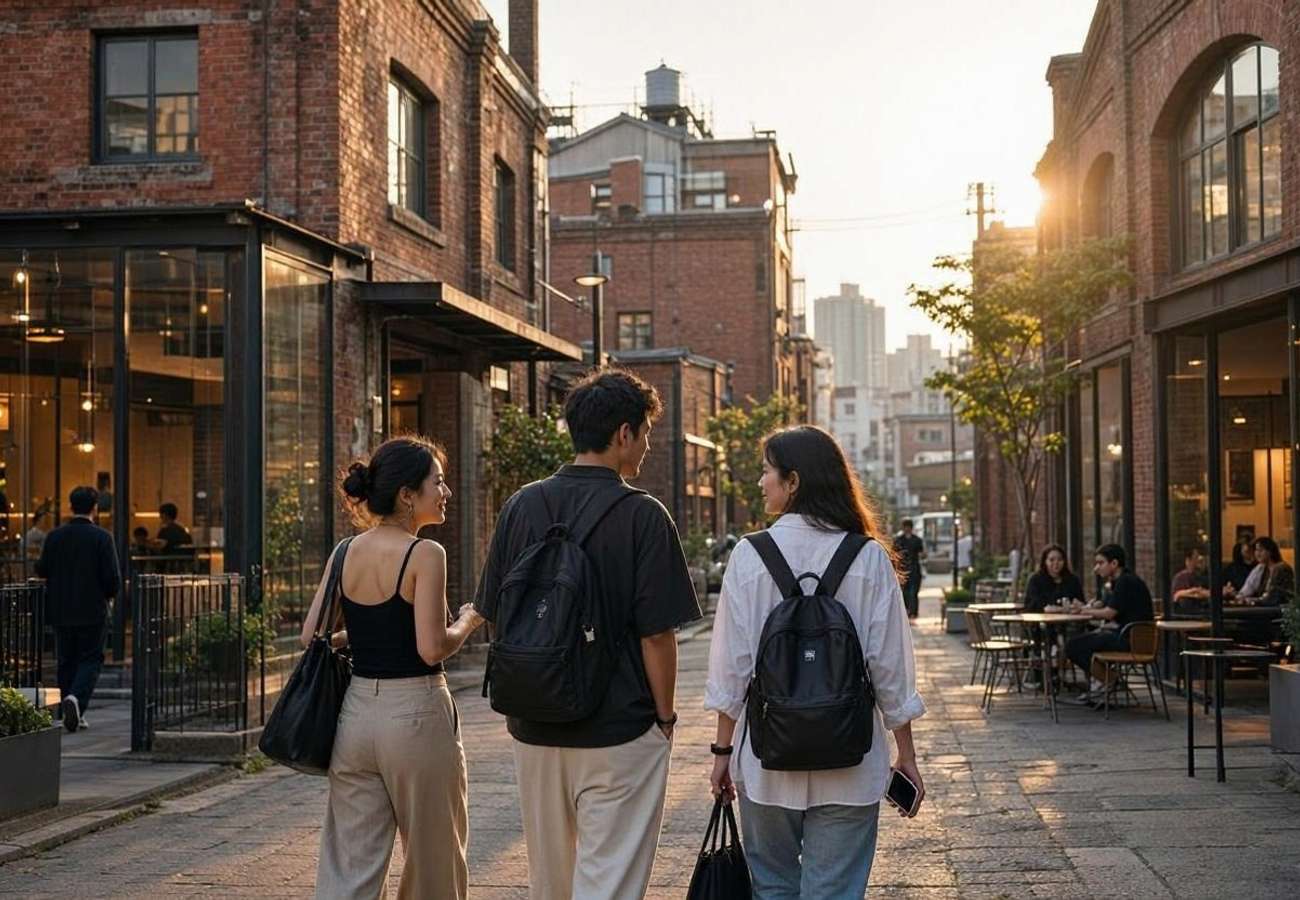
Image generated by AI
Foreign credit card spending in Seoul’s local commercial districts surged by 80.5% year-over-year to reach 308.2 billion won between January and September 2026. This acceleration indicates a systemic migration of international capital away from the saturated retail corridors of Myeong-dong and Gangnam toward decentralized, neighborhood-centric hubs.
The Decentralization of Seoul’s Tourism Economy
The data from the first three quarters of 2026 reveals a fundamental shift in how international travelers consume the Seoul experience. While the city continues to see massive growth—welcoming 8.23 million international visitors from January to June 2026 alone—the distribution of that wealth is changing. During that same six-month window, total foreign visitor card spending hit 5.6172 trillion won, representing a 57% increase over the first half of 2025.
The most aggressive growth is not occurring in the luxury malls of Gangnam, but in "hyper-local" districts. The Seoul Metropolitan Government reports that foreign spending in traditional markets has climbed by 48.8% year-over-year. This suggests that the "tourist bubble" is bursting, replaced by a preference for authentic, residential-adjacent commerce.
According to the World Tourism Organization (UNWTO), this pattern aligns with a global movement toward "slow tourism" and experiential travel, where visitors prioritize local immersion over landmark checklists. In Seoul, this is manifesting as a surge in interest for converted industrial spaces, independent fashion boutiques, and traditional household goods.
Comparative Spending Analysis: Seongsu vs. Namdaemun
The divergence in spending patterns between Seongsu-dong and Namdaemun Market highlights two distinct traveler personas: the "Creative Explorer" and the "Traditionalist."
Seongsu-dong, often compared to Brooklyn for its industrial-chic aesthetic, has seen its foreign spending double. Meanwhile, Namdaemun Market is seeing a surge in the purchase of everyday Korean household items, moving beyond the standard souvenir trade.
Foreign Spending Growth by District (Jan–Sep 2026)
| Metric | Seongsu-dong | Namdaemun (Jayu Centre) | Traditional Markets (Avg) |
|---|---|---|---|
| Foreign Card Spending | 263.8 billion won | 15.758 billion won | N/A |
| YoY Growth Rate | +100.6% | +65.6% | +48.8% |
| Primary Appeal | Creative Retail/Cafes | Household Goods/Markets | Local Commerce |
| Spending Driver | Gen Z/Millennial Trend | Traditional Culture | Authentic Immersion |
The growth at Namdaemun is particularly telling when compared to domestic behavior. While foreign spending in the Jayu Shopping Centre area jumped 65.6% (rising from 9.514 billion won in 2025 to 15.758 billion won in 2026), domestic spending grew by a marginal 1.5%. This indicates that international visitors are now the primary engine of growth for these traditional retail environments.
What This Means for Travelers
For those planning a trip to South Korea in late 2026 or 2027, the data suggests a necessary pivot in itinerary planning. The concentration of activity in Myeong-dong has led to extreme congestion, while districts like Seongsu offer a higher density of unique, independent offerings.
Actionable Booking and Visitation Advice:
- Diversify Your Base: Instead of staying exclusively in Myeong-dong or Gangnam, consider boutique accommodations in Seongsu or Hongdae to minimize transit time to emerging hotspots.
- Budget for Local Commerce: With foreign spending in local districts rising 80.5%, expect more small-scale retailers to accept international credit cards, though carrying a digital wallet (like Naver Pay or Kakao Pay) is recommended for the smallest traditional market stalls.
- Timing Your Visits: As Seongsu-dong's popularity has doubled (+100.6%), weekend crowds are reaching peak capacity. Visit creative districts on Tuesday or Wednesday mornings to avoid the surge.
- Shopping Shift: Move beyond luxury brands. The data shows a clear trend toward "everyday Korean products" at Namdaemun. Allocate specific time for the Jayu Shopping Centre for authentic household goods.
For updated regulations on entering South Korea and visa requirements, travelers should consult the Korea Tourism Organization (KTO).
Forward Projection: The "Neighborhood Effect"
Based on current trajectories, Seoul is moving toward a "polycentric" tourism model. The Seoul Metropolitan Government is already investing in pedestrian connectivity and cultural programming to further spread economic benefits.
We project that by 2027, the growth rate in "Tier 2" neighborhoods (those outside the primary tourist zones) will stabilize but remain higher than the growth in Myeong-dong. We expect to see a rise in "themed" neighborhood corridors—where an entire district is dedicated to a specific creative output (e.g., sustainable fashion in Seongsu)—further driving the 80.5% growth trend seen in 2026.
FAQ: Seoul Tourism Trends 2026
Will prices increase in districts like Seongsu-dong? Yes. With foreign spending increasing by 100.6%, local businesses are likely to adjust pricing to reflect higher demand. Early 2027 visitors should expect a slight premium in these "trending" areas compared to traditional markets.
Is Myeong-dong still worth visiting? Absolutely. The data shows a shift in growth, not an absolute decline. Myeong-dong remains a primary hub, but it is no longer the sole destination for international shopping.
Which areas are expanding the fastest for shoppers? Seongsu-dong is the clear leader with a 100.6% increase in foreign card spending, followed by the Namdaemun Market area at 65.6%.
What are international tourists buying in traditional markets? There is a documented surge in "everyday Korean household products" and independent fashion, moving away from mass-produced souvenirs.
The era of the single-destination city trip is over; Seoul has become a constellation of neighborhood experiences.
Related Travel Guides
This article is for informational purposes. Flight routes, passenger regulations, visa rules, and transit advisories are subject to change by airlines and aviation authorities. Readers are advised to verify schedules and travel documentation with relevant carriers and border agencies before departure.
Related Stories
Seoul Travel Week 2026 Logistics Guide: Booking K-Pop, K-Beauty, and Cultural Workshops
Qatar Joins PATA and Doha Named GCC Tourism Capital 2026: Logistics Guide for Asia-Pacific Travelers