Australia and New Zealand Implement Regenerative Tourism Laws and Indigenous Land Handbacks in 2026

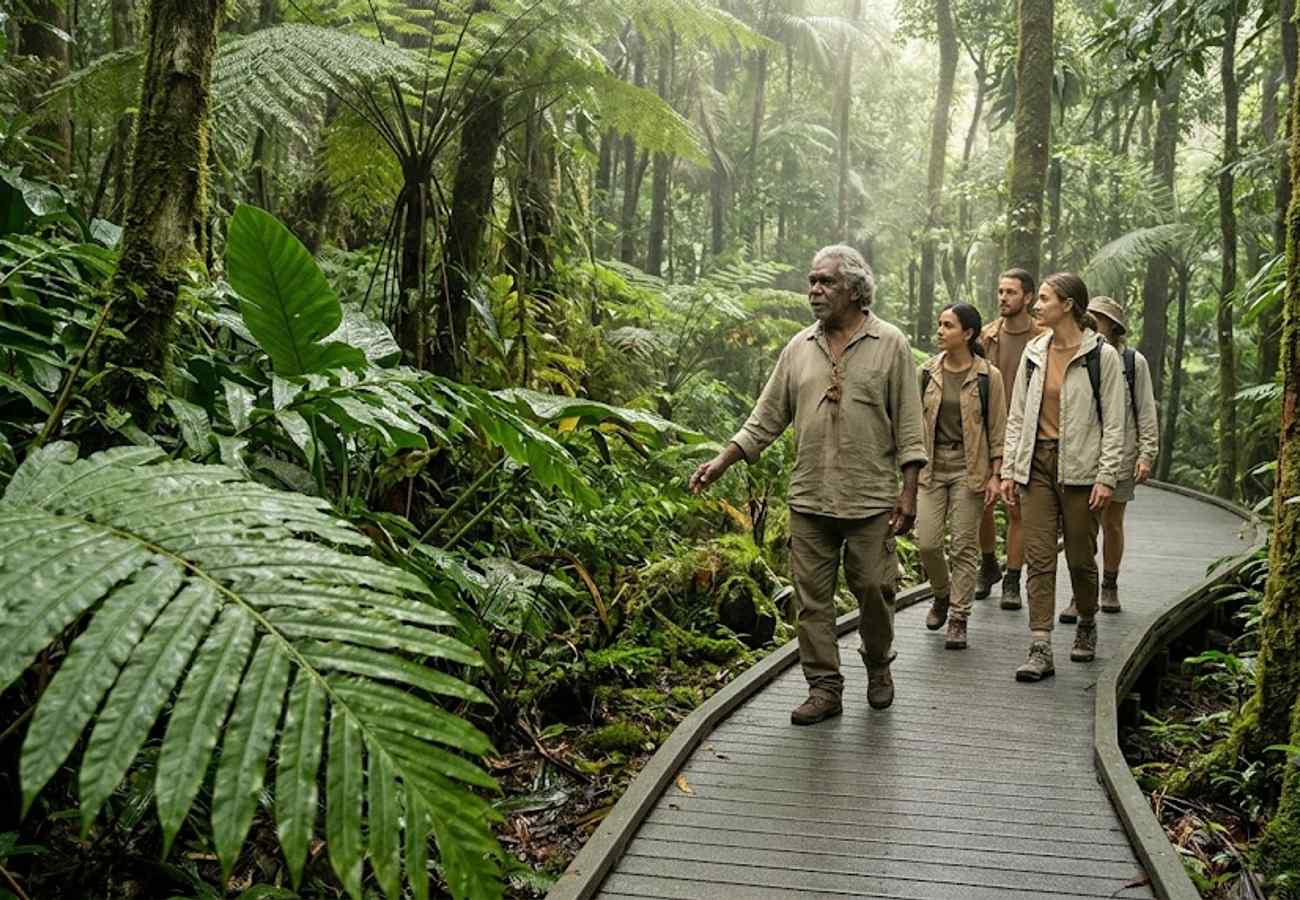
Image generated by AI
[Queensland, November 5, 2026] — Australia and New Zealand are fundamentally restructuring their nature-based tourism sectors through new statutory environmental reforms designed to prioritize ecological regeneration over simple conservation. These legislative shifts move beyond traditional "sustainable" models, instead utilizing indigenous governance and science-based monitoring to ensure that visitor growth does not compromise delicate ecosystems.
The transition is being led by federal and state bodies across Australasia, focusing on the integration of First Nations co-management and high-yield, low-impact visitor strategies. From the tropical rainforests of Queensland to the urban parklands of Victoria, the region is implementing strict environmental compliance and customary tenure systems to balance economic prosperity with the protection of World Heritage sites.
The Shift to Regenerative Governance
The immediate trigger for these changes is the need to protect high-biodiversity zones from uncontrolled visitor expansion and the accelerating effects of climate change. Rather than merely limiting damage, the new frameworks aim to actively improve the land through "regenerative" practices.
In Australia, this is being executed through integrated management systems operated by the Queensland Department of the Environment, Tourism, Science and Innovation, the New South Wales National Parks and Wildlife Service, and Parks Victoria. These bodies are now legally mandated to prioritize ecosystem integrity over tourism revenue.
Regional Impact and Statutory Changes
The impact of these reforms varies by region, focusing on specific ecological zones and the legal status of the land.
Queensland: The Daintree Model
The Daintree Rainforest, governed by the Nature Conservation Act 1992, serves as the primary case study for this shift. In June 2026, the Queensland government executed a historic land handback, transferring more than 28 hectares of high-conservation land to the Eastern Kuku Yalanji Traditional Owners.
New South Wales: Manning Valley Spatial Planning
In the MidCoast district, eco-tourism is now woven into the spatial planning framework. The region is utilizing the "Manning Valley… naturally™" Destination Management Plan to pivot toward nature-based and adventure tourism while protecting estuarine habitats.
Victoria: The Walking Economy
Victoria is focusing on "The Walking Economy" in the Upper Yarra region. This strategy converts bushland assets into low-footprint walking corridors, using the revenue from these activities to fund pest eradication and weed suppression in the upper catchment.
Ecological and Land Distribution Data
The following table breaks down the land use and management metrics for the primary regions currently undergoing these regenerative transitions.
| Region | Primary Management Body | Key Metric / Land Status | Focus Area |
|---|---|---|---|
| Daintree Rainforest | Wet Tropics Management Authority | 73,500 hectares | Indigenous Co-management |
| Manning Valley | Destination NSW / Local Govt | 12% Protected National Parks | Estuarine Buffer Zones |
| Manning Valley | Destination NSW / Local Govt | 32% Agricultural Land | Regional Infrastructure Renewal |
| Yarra Catchments | Parks Victoria | 1,500+ hectares open space | Urban-to-Regional Connectivity |
| Upper Yarra | Shire of Yarra Ranges | N/A | "The Walking Economy" |
What This Means for Travelers
For the modern nomad or tourist, these statutory changes translate into a more controlled, high-quality, but potentially more restrictive experience.
1. Restricted Access Points: In the Daintree, visitors must now adhere to strict controls at specific access points, including the Mossman Gorge Centre, the Baral Marrjanga track, and the Kulki boardwalk. You can no longer wander off-trail in high-conservation zones.
2. Shift Toward "Eco-Luxe": The Port Douglas Daintree Destination Tourism Plan is pushing hospitality providers toward an "eco-luxe" orientation. Expect higher price points for accommodations that are certified under Ecotourism Australia standards.
3. New Infrastructure: Travelers in New South Wales will find refurbished boardwalks and vessel launching facilities designed to keep humans away from nesting shorebirds. In Victoria, the extension of the Main Yarra Trail allows for non-motorized travel between metropolitan Melbourne and regional bushland.
4. Cultural Integration: Tourism is no longer just about the scenery; it is about the story. With the 2026 land handbacks, more tours will be led by Traditional Owners, and "Traditional Knowledge" is now a legal component of park management.
The Future of Oceania Tourism
The trajectory for 2027 and beyond suggests a total integration of "waterway personhood" and subterranean karst protection in New Zealand, mirroring the land-rights movements in Australia. The goal is a seamless network of protected corridors where tourism serves as the primary funding mechanism for ecological rehabilitation.
FAQ: Oceania Regenerative Travel 2026
Do I need special permits to visit the Daintree Rainforest now? While general access remains, certain high-conservation zones and Indigenous Protected Areas may require guided tours led by Traditional Owners to ensure compliance with the new 2026 land management protocols.
What is "The Walking Economy" in Victoria? It is a regional development strategy that replaces high-impact tourism with multi-day walking tracks. This reduces the carbon footprint of visitors while generating funds for weed and pest eradication.
How does the Manning Valley plan affect short-term rentals? The plan prioritizes "high-yield" tourism. This means a shift toward quality over quantity, encouraging longer stays and higher spending in hinterland townships like Wingham and Comboyne.
What are the "Cardinal Principles" of Daintree management? These are legal mandates requiring that natural conditions be preserved to the greatest extent possible and that unique cultural heritage be protected above all other interests.
The era of passive conservation is over; Oceania is now betting on active regeneration.
Related Travel Guides
This article is for informational purposes. Flight routes, passenger regulations, visa rules, and transit advisories are subject to change by airlines and aviation authorities. Readers are advised to verify schedules and travel documentation with relevant carriers and border agencies before departure.
Related Stories

Qatar Joins PATA and Doha Named GCC Tourism Capital 2026: Logistics Guide for Asia-Pacific Travelers

US November 2026 Tourism Trends: Festive Festivals and Passenger Rights for Holiday Travel