
Palau Advances High-Value Tourism Model Balancing Protected-Area Management and Travel Growth
Palau is transforming its tourism strategy around visitor management, protected-area financing, and sustainable experience quality across Koror and Melekeok.

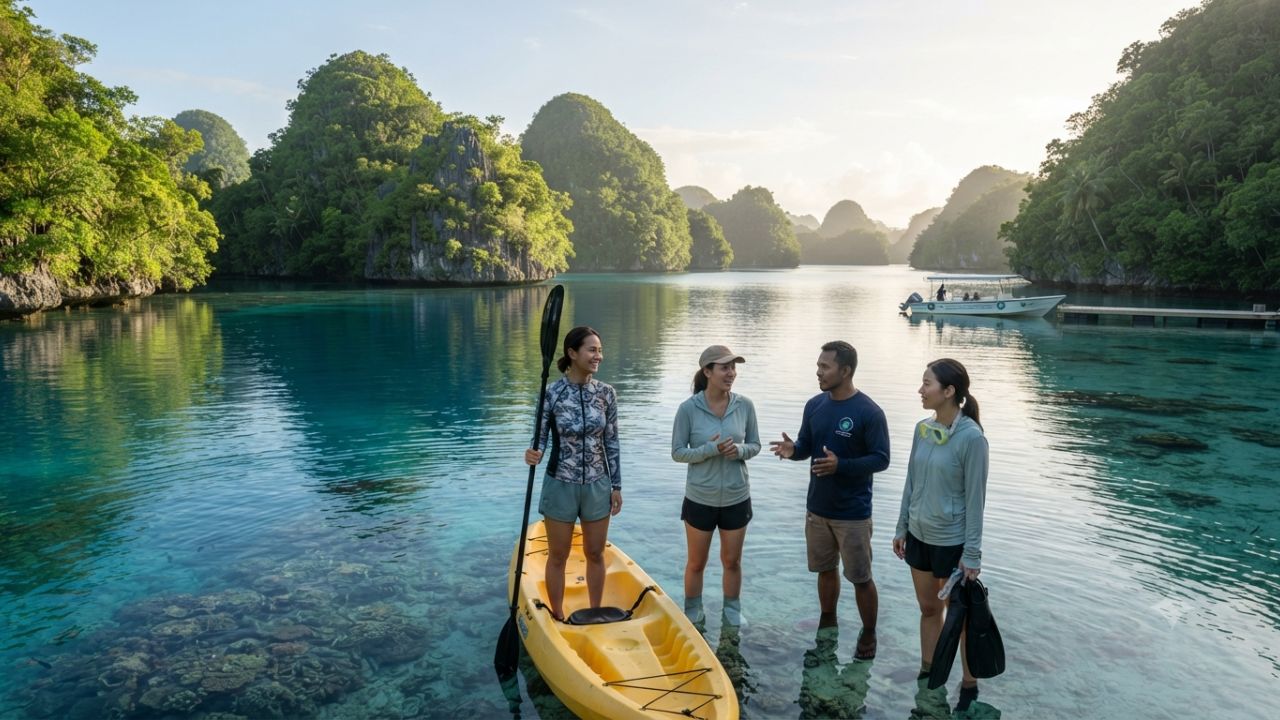
Image generated by AI
Palau is implementing a destination management strategy focused on controlled visitor capacity, protected-area financing, and experience quality rather than unconstrained arrival volume. The framework links Koror, the primary tourism gateway, with Melekeok, the national administrative capital, establishing a model for small island nations responding to global environmental and overtourism pressures.
[KOROR, Palau] — The Republic of Palau is advancing a high-value visitor management strategy that prioritizes environmental protection, managed access, and destination stewardship over raw visitor arrivals. By integrating conservation financing, protected area regulations, and coordinated local governance between Koror State and Melekeok, Palau is positioning destination management as the core driver of long-term tourism competitiveness. The policy direction aligns with recommendations from UN Tourism regarding sustainable growth in fragile island ecosystems.
Balancing Conservation and Access in the Rock Islands Southern Lagoon
The cornerstone of Palau's destination identity is the Rock Islands Southern Lagoon, located in Koror State. Designated as a UNESCO World Heritage Site in 2012, the protected zone spans 100,200 hectares of marine environment surrounding 445 uninhabited limestone islands, coral reefs, and isolated marine lakes. The property also features a 164,000-hectare buffer zone protecting marine biodiversity and historical Palauan cultural sites.
Tourism activities within the lagoon—including scuba diving, snorkeling, marine lake exploration, and kayaking—are governed by access regulations designed to preserve fragile ecosystems. Rather than allowing unrestricted visitor movement, local authorities enforce controlled tour capacities, designated vessel routes, and mandatory environmental permits.
Rock Islands Southern Lagoon Protected Area Specifications
| Profile Category | Official Destination Specification |
|---|---|
| Geographic Jurisdiction | Koror State, Republic of Palau |
| UNESCO World Heritage Status | Inscribed in 2012 (Mixed Natural & Cultural Criteria) |
| Protected Marine Area | 100,200 Hectares |
| Limestone Island Count | 445 Islands |
| Marine Buffer Zone | 164,000 Hectares |
| Primary Ecosystem Assets | Coral Reefs, Jellyfish & Marine Lakes, Diverse Marine Habitats |
Redefining Gateway Infrastructure Across Koror State
Koror serves as the principal urban hub and tourism gateway for Palau. Most visitors land at Roman Tmetuchl International Airport and establish their base in Koror, utilizing local hotels, restaurants, dive shops, and maritime transport services before embarking into protected marine areas.
Palau's strategic model shifts Koror's role from a conventional volume-focused transit point to a regulated eco-tourism hub. Local planning regulations prioritize high-yield, low-impact infrastructure development rather than mass hotel expansion.
Structural Shift: Traditional Island Tourism vs. Palau Management Model
| Operational Metric | Conventional Mass Tourism Approach | Palau Visitor Management Strategy |
|---|---|---|
| Growth Strategy | Maximizing total arrival numbers | Increasing yield per visitor and stay duration |
| Access Policy | Unrestricted entry to natural sites | Regulated access to protected marine zones |
| Development Focus | High-volume hotel expansion | Experience quality and ecosystem integrity |
| Governance Structure | Fragmented commercial promotion | Integrated conservation and state management |
Aligning Policy and Governance Through Melekeok
While Koror handles tourist reception and marine activities, the national capital of Melekeok serves as the policy engine directing Palau's environmental legislation. Effective destination management relies on legislative cooperation between national government ministries, state authorities, and traditional leadership bodies.
A central component of this governance structure is the Protected Areas Network (PAN), established under national legislation. The PAN framework enables individual states across Palau to design and manage local conservation zones while receiving national technical support, enforcement backing, and dedicated financial resources.
Funding Conservation Through the Green Fee Mechanism
Palau's destination strategy operates on a self-sustaining financing model managed by the Palau Protected Areas Network (PAN) Fund. Through a designated Green Fee embedded within international arrival costs, visitors directly fund site management, marine patrols, scientific monitoring, and community conservation grants.
This mechanism connects tourism revenue directly to environmental preservation, ensuring that tourist activity covers the cost of ecosystem maintenance.
Palau Protected Area Financing Structure
| Management Element | Operational Function in Tourism Model |
|---|---|
| Visitor Environmental Fee | Generates direct revenue for protected-area maintenance |
| Protected Areas Network (PAN) | Coordinates national and state conservation guidelines |
| State-Level Protected Zones | Preserves local resource ownership and community governance |
| Regulated Tour Operations | Converts environmental protection into economic value |
Operational Priorities for International Travel Providers
Tour operators, dive centers, and travel agencies booking itineraries to Palau must adjust their commercial operations to reflect national visitor management guidelines:
- Position High-Value Itineraries: Market Palau as an exclusive eco-adventure destination rather than a low-cost resort getaway.
- Integrate Permit Requirements: Incorporate mandatory Rock Islands permits and environmental fees directly into booking documentation.
- Select Licensed Operators: Partner exclusively with state-licensed tour guides and boat captains trained in marine protection rules.
- Promote Longer Stay Durations: Encourage multi-day itineraries connecting Koror's marine activities with cultural sites in Melekeok and Babeldaob Island.
- Pre-Arrival Traveler Education: Provide incoming guests with guidance on reef-safe sunscreen, wildlife interaction limits, and waste reduction.
Frequently Asked Questions
What is the Rock Islands Southern Lagoon in Palau?
The Rock Islands Southern Lagoon is a UNESCO World Heritage site covering 100,200 hectares of protected marine environment, 445 limestone islands, and coral reef ecosystems in Palau's Koror State.
How does Palau fund its marine conservation programs?
Palau finances its conservation network through the Protected Areas Network (PAN) Fund, supported by an environmental Green Fee collected from arriving international visitors.
What is the difference between Koror and Melekeok in Palau's tourism strategy?
Koror functions as the primary tourism hub and gateway to the Rock Islands, while Melekeok is the national capital responsible for legislative policy, environmental governance, and national planning.
Related Travel Guides
Disclaimer
This article is for informational and educational purposes only. It does not constitute legal, financial, or professional advice. While we strive to provide accurate and up-to-date information, travel policies, regulations, and conditions change rapidly. Always verify information with official sources before making travel decisions. Nomad Lawyer makes no representations about the accuracy, reliability, completeness, or suitability of the information provided. Readers should consult qualified professionals for advice specific to their circumstances. The views expressed in this article are those of the author and do not necessarily reflect the views of Nomad Lawyer.
Kunal K Choudhary
Co-Founder & Contributor
A passionate traveller and tech enthusiast. Kunal contributes to the vision and growth of Nomad Lawyer, bringing fresh perspectives and driving the community forward.
Learn more about our team →