
Pakistan Launches Luxury Medical Tourism Drive in Islamabad
Pakistan has launched its first medical tourism project in Islamabad, targeting a share of the global $144 billion healthcare travel market.
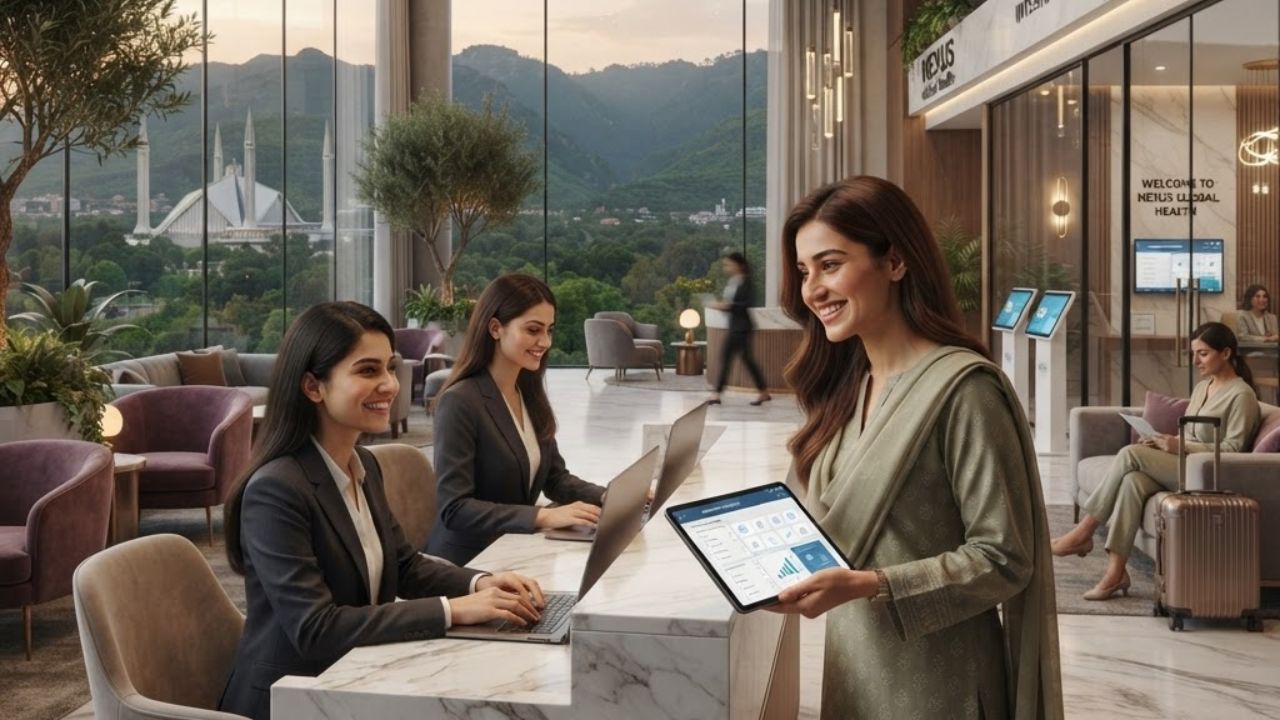
Image generated by AI
Targeting a larger share of the global $144 billion healthcare travel market, Pakistan has launched its first medical tourism project in Islamabad, combining specialized clinical services with luxury hospitality.
The Core Transit Update
Regional road routes, immigration gates, and airport transit corridors in Islamabad are aligning with international clinical passenger flows. To tap into the global medical tourism sector—currently valued at around $144 billion—Pakistan is initiating a phased healthcare project in the capital.
The development plan follows a three-stage roadmap: launching premium medical suites in Islamabad to serve international patients (Phase 1), establishing a dedicated luxury medical tourism center with five-star accommodation (Phase 2), and constructing a comprehensive medical city to integrate clinics and hotels under one transit network (Phase 3). The program will initially target high-demand fields like cosmetic surgery and dentistry, offering competitive pricing compared to Western destinations and Turkey.
Phased Development & Comparative Metrics
Planning medical travel to South Asia requires checking project timelines and comparing regional healthcare tariffs. The following tables outline the phased medical tourism roadmap in Islamabad and detail the comparative destination metrics.
| Project Development Phase | Core Healthcare Facility | Target Stated Offerings | Primary Infrastructure Integration |
|---|---|---|---|
| Phase 1 | Premium Medical Suites | Cosmetic surgery, dentistry, & diagnostics | Integrated hospitality reception |
| Phase 2 | Luxury Healthcare Center | Advanced surgeries & rehabilitation suites | 5-star lodging & family support services |
| Phase 3 | Comprehensive Medical City | Specialized hospitals & research institutes | Integrated municipal transit corridors |
Phased medical tourism development roadmap in Islamabad.
| Target Travel Sector | Measured Global Valuation | Primary Cost Advantage | Key Inbound Target Demographic |
|---|---|---|---|
| Global Medical Tourism | ~$144 billion market size | Lower rates than US, UK, & Turkey | Overseas Pakistani diaspora & GCC travelers |
| Pakistan Inbound Segment | Emerging growth sector | Competitive clinical specialist fees | Diaspora returning for major operations |
Global medical tourism market metrics and Pakistan's position.
Traveler Logistics Guide
From a ground-level perspective, the best way to navigate this is to apply for a dedicated medical tourist visa via the official Pakistan Online Visa portal before booking any clinical appointments, as this guarantees that your entry permits are validated for extended stays and allow for multiple entries if follow-up procedures are required. Checking visa details is recommended.
To plan your medical trip:
- Allow Safe Connecting Windows: Islamabad International Airport (ISB) is the primary gateway. If traveling by road to clinics in the city center, allow at least an hour for transport to manage security checkpoint bottlenecks.
- Observe Post-Op Travel Restrictions: High-altitude flights are not recommended immediately after major surgery. Consult your clinical specialist to establish a safe rest window (usually 7 to 10 days) in local luxury accommodations before boarding your flight home.
- Verify Specialist Accreditations: Ensure your target surgeon or dental specialist is registered with the Pakistan Medical and Dental Council (PMDC) and that the facility has international healthcare quality approvals.
- Coordinate Family Support: Utilize the integrated suite services that offer dedicated lodging and transport for accompanying family members to ensure a smooth recovery process.
Infrastructure Impact Assessment
The development of centralized medical hubs and the implementation of green building standards for the future medical city protect Islamabad’s natural green belts from fragmented commercial construction and reduce vehicular emissions.
By directing traveler spending to integrated healthcare centers (which employ local nurses, administrative staff, and hospitality personnel), the medical tourism initiative generates foreign exchange reserves, funds advanced medical equipment upgrades for public hospitals, and ensures that the regional healthcare infrastructure remains modern and resilient.
Related Travel Guides
Disclaimer
This article is for informational and educational purposes only. It does not constitute legal, financial, or professional advice. While we strive to provide accurate and up-to-date information, travel policies, regulations, and conditions change rapidly. Always verify information with official sources before making travel decisions. Nomad Lawyer makes no representations about the accuracy, reliability, completeness, or suitability of the information provided. Readers should consult qualified professionals for advice specific to their circumstances. The views expressed in this article are those of the author and do not necessarily reflect the views of Nomad Lawyer.