
US National Parks Set Free Entry on September 17 for Constitution Day

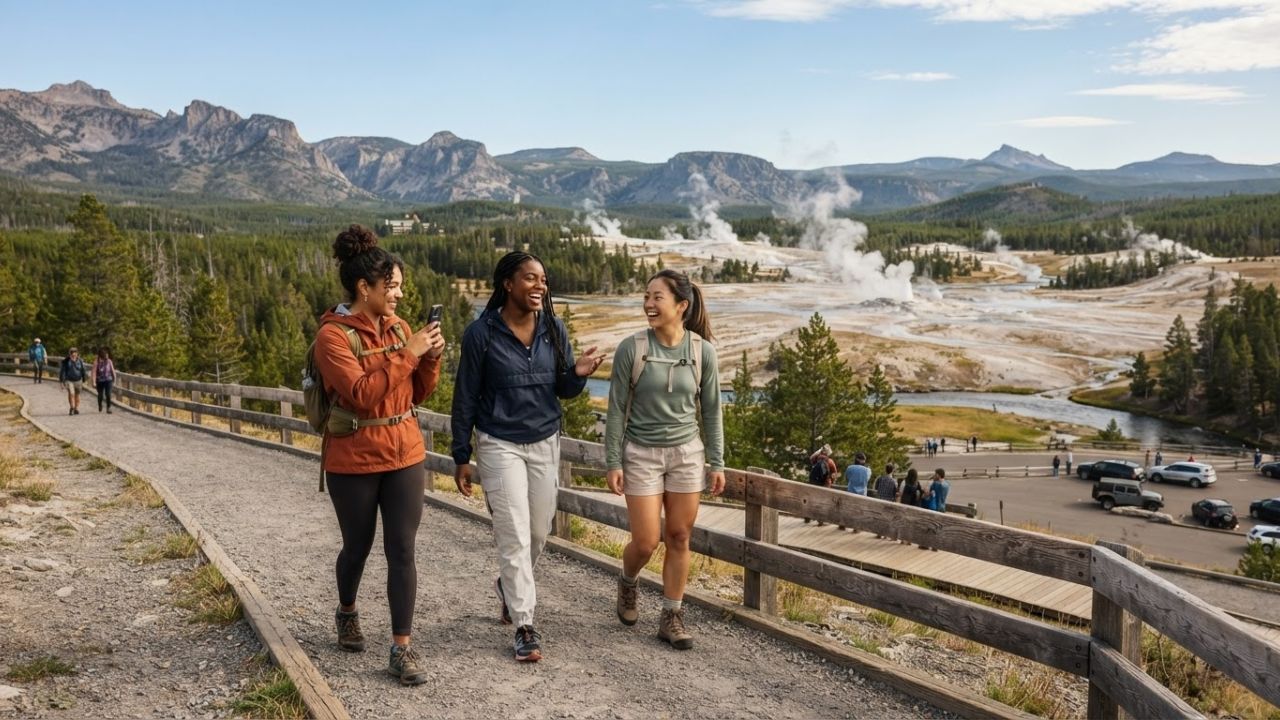
Travelers across the United States can enter iconic protected wilderness areas—including Yellowstone, Grand Canyon, Yosemite, and Zion—without paying standard gate fees on September 17, 2026, as the National Park Service (NPS) celebrates Constitution Day with a nationwide entrance fee waiver. Designed to eliminate cost barriers and encourage public access to federal lands, the single-day initiative waives standard vehicle and individual admission charges across all participating fee-charging sites in the national park system.
The fee-free date offers significant financial savings for families, budget-conscious road trippers, and international visitors navigating popular national parks where standard vehicle permits typically range between $30 and $35 per vehicle. With the National Park Service recording more than 331 million recreation visits in 2024, the September event encourages late-summer exploration during the shoulder travel season, driving visitor spending into rural gateway communities while celebrating America’s civic and natural heritage.
The Local Trend Revealed: Unlocking Federal Lands for Constitution Day
The September 17 fee waiver serves as one of the signature annual dates authorized by the Department of the Interior to promote outdoor recreation:
- Fee Waiver Structure and Exclusions: On September 17, the National Park Service waives standard entrance fees at all fee-collecting units. However, travelers should note that the fee waiver applies strictly to entrance fees. Ancillary amenities and user-paid services—such as campground reservations, backcountry permits, authorized concessioner boat rentals, guided interpretive tours, and special activity permits—continue to require standard payment.
- Timed-Entry and Permit Rules Remain Active: Waived gate fees do not override individual park reservation mandates. High-demand parks that utilize reservation systems to manage overcrowding—such as timed-entry vehicle reservations at Rocky Mountain, vehicle permits for Cadillac Summit Road in Acadia, or Going-to-the-Sun Road vehicle access in Glacier—still require advance digital bookings through Recreation.gov.
- Economic Ripple for Gateway Towns: Increased park visitation delivers immediate economic stimulation to gateway communities situated near park boundaries. Towns such as Jackson and Cody (Wyoming), Gardiner and West Yellowstone (Montana), Tusayan and Flagstaff (Arizona), Mariposa (California), and Springdale (Utah) capture visitor spending across independently owned motels, diners, outfitter gear rentals, and regional transport services.
| Event Parameter | National Park Service Program Specifics |
|---|---|
| Official Event | National Park Service Fee-Free Day |
| Designated Date | September 17, 2026 |
| Civic Occasion | Constitution Day |
| Governing Agency | National Park Service (NPS), US Department of the Interior |
| Financial Benefit | Complete waiver of standard entrance fees at participating sites |
| Service Exclusions | Camping, commercial tours, backcountry permits, timed-entry reservations |
| Visitor Benchmark | Over 331 million recreation visits recorded across NPS sites in 2024 |
Prime National Parks Participating in the September 17 Waiver
While hundreds of national monuments, historical parks, and recreation areas participate, premier destinations across the American West and East Coast draw heavy interest:
- Yellowstone National Park (Wyoming, Montana, Idaho): Renowned for active geysers, the Grand Prismatic Spring, and expansive wildlife watching across the Lamar and Hayden valleys, where bison and elk enter their autumn rutting season.
- Grand Canyon National Park (Arizona): Famous for sweeping geological canyon vistas along the South Rim and challenging inner-canyon hikes along the Bright Angel and South Kaibab trails.
- Yosemite National Park (California): Celebrated for sheer granite monoliths like El Capitan and Half Dome, towering waterfalls, and ancient giant sequoia groves.
- Zion & Bryce Canyon National Parks (Utah): Featuring towering Navajo sandstone canyon walls along the Virgin River in Zion, paired with Bryce Canyon’s surreal amphitheaters of eroded limestone hoodoos.
- Rocky Mountain National Park (Colorado): High-alpine tundra accessed via Trail Ridge Road, surrounded by golden autumn aspen stands and bugling bull elk.
- Glacier National Park (Montana): Pristine glacial carved valleys, turquoise alpine lakes, and dramatic views along the Going-to-the-Sun Road corridor.
- Acadia National Park (Maine): Rugged granite coastlines, coastal carriage roads, and early autumn foliage displays along the Atlantic seaboard.
- Everglades National Park (Florida): Vast subtropical wetlands supporting wading birds, manatees, and American alligators.
- Grand Teton National Park (Wyoming): Dramatic jagged mountain spires rising above Jackson Lake and the Snake River.
Cultural & Environmental Value: Promoting Stewardship and Leave No Trace Ethics
Increased visitation during fee-free celebrations requires heightened environmental responsibility across fragile ecosystems:
- Practicing Leave No Trace Principles: High visitor volume strains sensitive alpine meadows, desert biological soil crusts, and geothermal features. Visitors are urged by regional conservation associations and the Leave No Trace Center for Outdoor Ethics to stay on designated trails, pack out all personal trash, and refrain from feeding wildlife.
- Protecting Geothermal and Wildlife Sanctuaries: In parks like Yellowstone and Glacier, autumn brings heightened animal activity. Visitors must carry bear spray in grizzly country, maintain a strict 100-yard distance from bears and wolves, and stay at least 25 yards away from bison, elk, and moose.
- Supporting Indigenous Partnerships: Many national parks encompass ancestral tribal lands. The fee-free day provides opportunities to visit cultural visitor centers, view authentic Native American artisan demonstrations, and learn about indigenous heritage preserved across regional monuments.
Visitor Insider Tips: Navigating National Parks on Free Access Day
- Adopt the Shoulder-Hour Strategy: Fee-free days attract significant vehicle lines at entrance kiosks between 9:00 a.m. and 2:00 p.m. Arrive before 7:30 a.m. to secure parking at popular trailheads (such as Bear Lake in Rocky Mountain or the South Rim in Grand Canyon), or plan an afternoon visit after 4:30 p.m. to experience sunset light without heavy congestion.
- Pack Adequate Water and Layered Clothing: September weather in high-elevation parks like Yellowstone, Rocky Mountain, and Bryce Canyon can shift rapidly from freezing morning temperatures to warm afternoon sunshine. Carry plenty of drinking water, sturdy hiking boots, and warm thermal layers.
- Sample Authentic Gateway Fare: Support local culinary traditions in park border towns:
- Wyoming & Montana: Taste wild huckleberry ice cream, warm huckleberry cobbler, or locally sourced bison chili in Gardiner or Jackson.
- Arizona: Try authentic Navajo fry bread topped with pinto beans, green chili, and cheddar cheese near Cameron Trading Post or Flagstaff.
- Maine (Acadia): Order fresh chilled Maine lobster rolls brushed with melted butter at harbor shacks in Bar Harbor or Southwest Harbor.
- Utilize Free Park Shuttle Systems: In parks with congested valley floors, such as Zion, Grand Canyon (South Rim), and Yosemite, leave your car at designated visitor center parking lots and utilize the free eco-friendly hybrid park shuttle buses to travel between scenic trailheads.
- Check Real-Time Road Conditions: Mountain passes can experience early autumn dusting or construction delays. Check current park status alerts on official NPS park apps before departing your lodge.
Tourism Outlook for America's Public Lands
The Constitution Day fee-free initiative showcases the enduring value of America’s public lands. By lowering entrance barriers while fostering regional economic growth, the National Park Service balances democratic access with conservation education, ensuring that future generations continue to appreciate the nation's pristine wilderness sanctuaries.
Related Travel Guides
Disclaimer
This article is for informational and educational purposes only. It does not constitute legal, financial, or professional advice. While we strive to provide accurate and up-to-date information, travel policies, regulations, and conditions change rapidly. Always verify information with official sources before making travel decisions. Nomad Lawyer makes no representations about the accuracy, reliability, completeness, or suitability of the information provided. Readers should consult qualified professionals for advice specific to their circumstances. The views expressed in this article are those of the author and do not necessarily reflect the views of Nomad Lawyer.
Raushan Kumar
Founder & Lead Developer
Full-stack developer with 11+ years of experience and a passionate traveller. Raushan built Nomad Lawyer from the ground up with a vision to create the best travel and law experience on the web.
Learn more about our team →