
Spain and France Launch Seamless High-Speed Rail Network for Cross-Border European Travel 2026
Spain and France have eliminated traditional border bottlenecks, introducing unified ticketing and synchronized schedules for high-speed rail journeys across Western Europe.

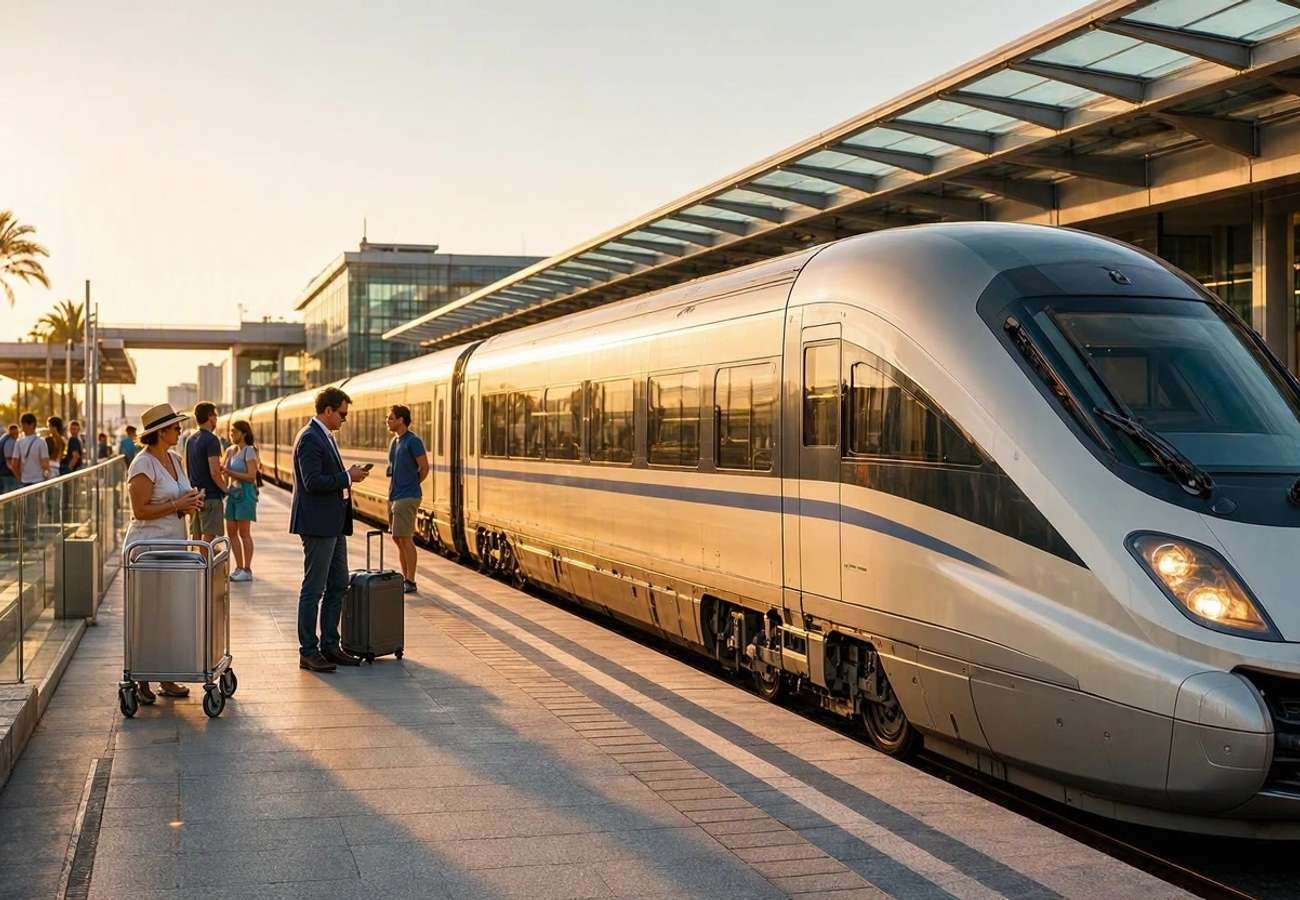
Image generated by AI
Switching from a short-haul flight to these new electrified high-speed rail corridors can slash an individual passenger's carbon footprint by up to 85% over the same distance. This massive environmental shift is the driving force behind a new multilateral agreement between Spain, France, and other European partners to dismantle the logistical friction that has plagued Iberian travel for decades.
The End of the Border Bottleneck
For years, traveling by rail between the Iberian Peninsula and Central Europe felt like a relic of the past. Independent travelers often faced grueling interchanges at border outposts like Hendaye and Portbou due to conflicting signaling systems and different track gauges. In 2026, that friction has officially vanished.
Spain has coordinated its transport networks with France and other continental partners to launch integrated itineraries. This isn't just about new tracks; it is a technological synchronization. New trainsets now feature multi-system electrical capabilities and interoperable safety signaling, meaning trains no longer need to stop for locomotive replacements or lengthy safety pauses when crossing national lines. The result is a synchronized timetable and a unified ticketing system that treats the journey from Madrid to Paris as a single, fluid movement rather than a series of disjointed segments.
What Makes the New European Rail Experience Different
The most significant change is the shift toward "slow travel" that doesn't actually feel slow. By utilizing UNESCO World Heritage sites as anchor points along these routes, the network encourages travelers to stop in secondary cultural cities that are typically ignored by those flying into major hubs.
Unlike air travel, which strips away the geography of a journey, these rail corridors restore the sense of progression. Passengers move from the historic boulevards of Madrid through the heritage centers of southern France and into northern European hubs. To support this, the operators have overhauled the onboard experience. Dining cars now source fresh local produce and regional beverages from the specific territories the train is currently traversing, turning the commute into a culinary tour of the continent.
Cross-Border Route Performance and Logistics
The following table breaks down the primary corridors now operating under the unified framework:
| Route Corridor | Connecting Countries | Average Journey Time | Service Frequency | Primary Travel Benefit |
|---|---|---|---|---|
| Madrid to Paris Express | Spain, France | 9 hours 45 minutes | 3 daily direct services | Zero intermediate luggage re-checks |
| Barcelona to Lyon Intercity | Spain, France | 5 hours | 4 daily direct services | Direct city-centre station arrival |
| Mediterranean Coastline Link | Spain, France, Italy | 11 hours 15 minutes | 2 daily direct services | Panoramic scenic coastal transit |
| Iberian Atlantic Connector | Spain, France, Belgium | 13 hours 30 minutes | Daily overnight service | Optimised overnight sleeper berths |
| Central European Hub Line | Spain, France, Germany | 14 hours 20 minutes | 2 daily services | Integrated single-ticket verification |
Visitor Insider Tips
Having spent significant time navigating these regions, I recommend a few specific strategies to make the most of this new network:
- Base Yourself in Provincial Hubs: Instead of staying only in Madrid or Paris, use the new direct links to base yourself in Lyon or smaller southern French cities. You can access multiple capitals via the high-speed lines while paying lower accommodation costs.
- The Sleeper Strategy: The Iberian Atlantic Connector is a game-changer for those heading toward Belgium. Booking the overnight sleeper berths saves you a night's hotel cost and arrives in the city center, avoiding the expensive and tedious taxi rides from peripheral airports.
- Booking Hack: Use the new unified digital portal for all segments. Avoid booking separate tickets through national carriers; the integrated portal provides reciprocal passenger protection, meaning if a train is delayed, your subsequent connection is automatically rebooked.
- Station Navigation: Major termini now have multilingual signage and universal step-free access. If you have oversized luggage, head straight for the dedicated storage areas located at the ends of the high-speed carriages to avoid crowding the aisles.
Cultural and Environmental Context
This rail expansion is as much an economic strategy as it is a transport update. By decentralizing tourism away from congested capitals, the network is pumping money into boutique hotels and family-owned hospitality businesses in rural Spain and France. Local commercial authorities report a surge in the use of multi-day regional travel passes, which allow visitors to engage with traditional craftsmanship and regional gastronomy.
Furthermore, the shift toward rail is a direct response to the European Union's climate goals. By eliminating the need for short-haul regional flights, the network significantly reduces noise pollution and carbon emissions in the sensitive Mediterranean coastal zones. For more information on official travel regulations and sustainable initiatives, visitors should consult Visit Spain or the official French tourism portals.
FAQ: Visiting Spain and France by Rail 2026
What is the best time to visit using these rail links? Spring (April to June) and Autumn (September to October) are ideal. You avoid the extreme summer heat of the Iberian Peninsula and the peak crowds of the July-August holiday season while enjoying mild weather for regional stops.
Do I need a visa for these cross-border journeys? For most travelers, the Schengen Area rules apply. If you hold a passport from a visa-exempt country, you can move between Spain, France, and other participating EU nations without internal border checks.
How do I get from the train station to the city center? One of the biggest advantages of this network is that stations are located in urban cores. Most major hubs are directly connected to local metro systems or are within walking distance of primary districts.
Is rail travel safe for solo travelers? Yes, high-speed rail is exceptionally safe. The new trains feature dedicated quiet zones and high-speed digital access, making them ideal for remote workers or solo explorers.
The era of the airport shuttle is ending; the era of the city-center arrival has begun.
Related Travel Guides
Disclaimer
This article is for informational and educational purposes only. It does not constitute legal, financial, or professional advice. While we strive to provide accurate and up-to-date information, travel policies, regulations, and conditions change rapidly. Always verify information with official sources before making travel decisions. Nomad Lawyer makes no representations about the accuracy, reliability, completeness, or suitability of the information provided. Readers should consult qualified professionals for advice specific to their circumstances. The views expressed in this article are those of the author and do not necessarily reflect the views of Nomad Lawyer.
Kunal K Choudhary
Co-Founder & Contributor
A passionate traveller and tech enthusiast. Kunal contributes to the vision and growth of Nomad Lawyer, bringing fresh perspectives and driving the community forward.
Learn more about our team →