
Switzerland Railway Fare Hikes 2026: How New SBB Prices Impact Alpine Travel from Europe
Switzerland is increasing railway fares on December 13, 2026, affecting Day Passes and Travelcards. Discover how these price shifts impact multi-country Alpine itineraries and the best ways to save.

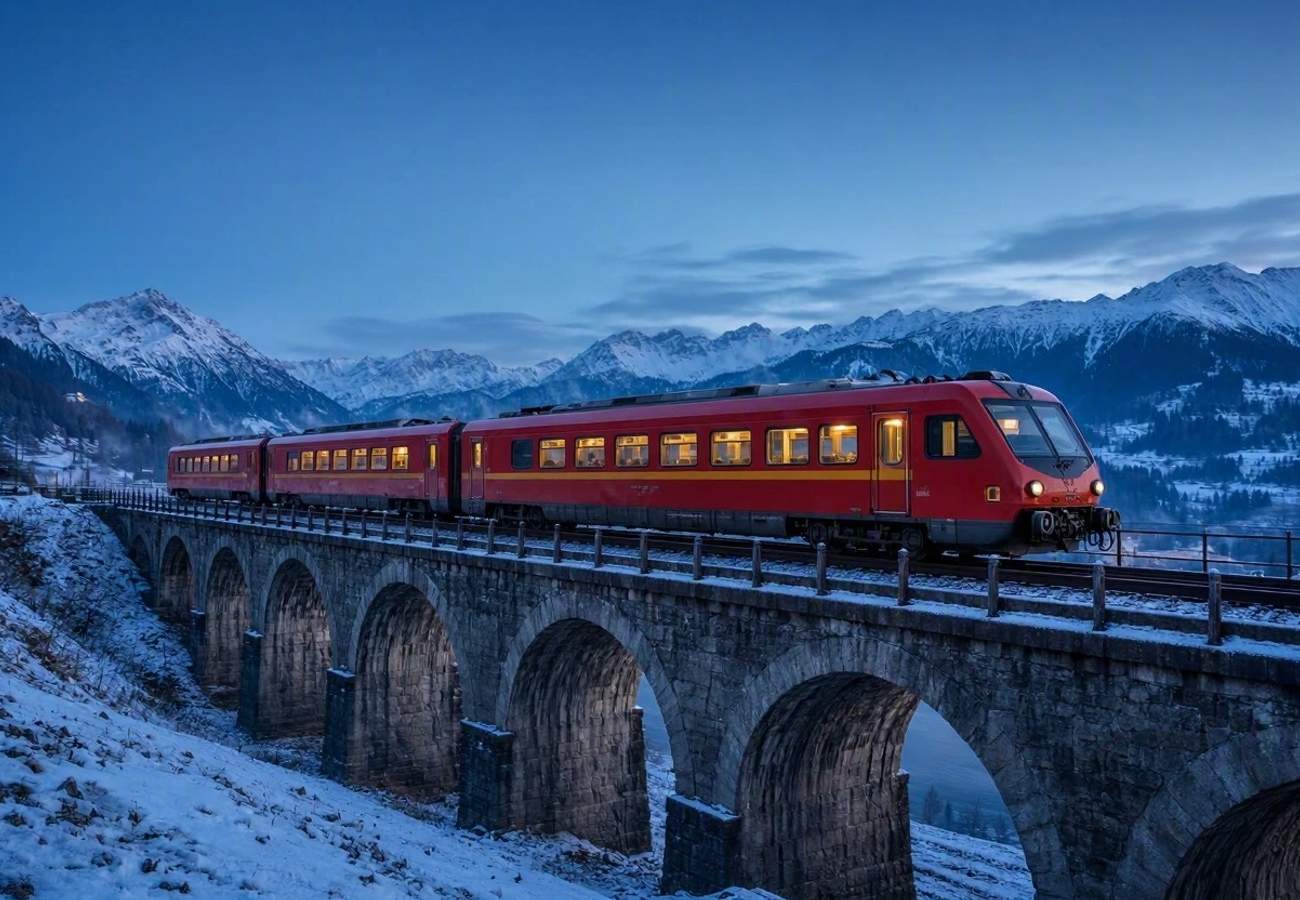
Image generated by AI
The cost of traversing the Swiss Alps is climbing, with a confirmed fare increase taking effect on 13 December 2026. While many travelers assume Swiss rail prices are static, the Swiss Federal Railways (SBB) and Alliance SwissPass have adjusted tariffs to cover rising infrastructure and operating costs, meaning your winter itinerary will require a slightly different budget than previous years.
The Shift in Swiss Rail Pricing for Winter 2026
The upcoming price adjustment is not a coordinated effort across Europe, but a specific Swiss national update. Originally, the industry pushed for a 3.9% average increase, but after negotiations with the price supervisory authority, the final average hike was capped at 3.6%. To balance this, SBB is expanding the availability of discounted tickets to help budget-conscious travelers.
For those who rely on the Half Fare system—the backbone of Swiss domestic travel—the changes are immediate. The second-class Day Pass is moving from CHF 78 to CHF 81, while first-class travelers will see a jump from CHF 128 to CHF 134. While a few francs may seem negligible, these costs compound quickly for those spending a week exploring the Jungfrau or Zermatt regions.
Swiss Rail Fare Adjustments (Effective 13 December 2026)
| Railway Product | Price Before Change | New Price | Percentage Increase |
|---|---|---|---|
| Half Fare Day Pass (2nd Class) | CHF 78 | CHF 81 | 3.85% |
| Half Fare Day Pass (1st Class) | CHF 128 | CHF 134 | 4.69% |
| 6-Day Half Fare Package (2nd Class) | CHF 468 | CHF 486 | 3.85% |
| 6-Day Half Fare Package (1st Class) | CHF 768 | CHF 804 | 4.69% |
| Adult Annual Half Fare Travelcard | CHF 190 | CHF 195 | 2.63% |
What Makes the Swiss Rail Experience Different
Unlike the point-to-point systems found in much of Europe, Switzerland operates a highly integrated network where a single pass often grants access to buses, boats, and trains. The primary tension for visitors is choosing between the Swiss Travel Pass and the Half Fare Card.
The Swiss Half Fare Card for tourists costs CHF 150 and remains valid for one month, allowing you to buy any ticket at 50% off. Conversely, the Swiss Travel Pass is an all-in-one ticket for consecutive days. Current 2026 pricing for the second-class Swiss Travel Pass stands at CHF 254 for three days, CHF 309 for four days, and CHF 399 for six days. It is vital to note that these pass prices are guaranteed only until 31 December 2026; expect new rates for 2027.
Visitor Insider Tips
If you are planning a winter escape, avoid the mistake of buying a generic "Eurail" pass if you only plan to visit Switzerland. The UNESCO World Heritage sites accessible by rail, such as the Rhaetian Railway, often require specific reservations that a general pass doesn't cover.
- The "Saver Day Pass" Hack: Instead of the standard Day Pass, look for "Saver Day Passes" on the SBB app. If you book weeks in advance, you can often find rates significantly lower than the standard CHF 81.
- The Italian Entry: For the most scenic entry, arrive via Tirano, Italy. This allows you to board the Bernina Express, avoiding the need for an expensive multi-country pass just to cross the border.
- Base Yourself Strategically: Stay in Lucerne or Interlaken. These hubs provide the best connectivity to mountain railways, reducing the number of expensive transfers you need to book.
- Etiquette Note: On panoramic trains like the Glacier Express, silence is highly valued. Keep conversations low and avoid blocking the aisles with luggage.
European Gateways to the Swiss Network
Switzerland does not exist in a vacuum; it is the crossroads of Europe. Depending on where you enter from, your cost-saving strategy changes.
| Entry Country | Primary Connection | Starting Fare / Benefit | Local Insight |
|---|---|---|---|
| Austria | ÖBB Railjet / Nightjet | Sparschiene fares | Best for overnight travel to Zurich |
| Germany | Deutsche Bahn ICE | From €19.99 (Super Saver) | 50+ daily direct connections |
| Italy | Trenitalia EuroCity | SMART / SMART2 discounts | Ideal for the Bernina route |
| France | TGV Lyria | From €49 (Standard) | Fastest route from Paris to Zurich |
Cultural and Environmental Context
The Swiss rail system is more than just transport; it is a national commitment to environmental preservation. By pricing domestic travel high but offering deep discounts through "Half Fare" cards, Switzerland encourages a culture of rail over car rentals in fragile Alpine ecosystems.
The 2026 price increase reflects the massive cost of maintaining tunnels and bridges in an era of increasing glacial melt and landslide risks. When you pay that extra CHF 3 on a Day Pass, you are effectively contributing to the engineering required to keep the Alps accessible without destroying them.
FAQ: Visiting Switzerland 2026
What is the best time to visit for rail travel? September to November offers the best balance of clear views and fewer crowds. December is stunning for winter markets but requires booking panoramic trains months in advance.
Do I need a visa for Switzerland? Switzerland is part of the Schengen Area. Most US, Canadian, and UK citizens do not need a visa for short stays, but check current ETIAS requirements for 2026.
How do I get to Zurich from Paris? The TGV Lyria is the most efficient method, taking roughly four hours and four minutes. Tickets start at €49 if booked early.
Is the Swiss rail system safe for solo travelers? Extremely. Switzerland is one of the safest destinations globally, and the rail network is designed for intuitive, independent navigation.
The Alps are calling, but your wallet needs a plan.
Related Travel Guides
Disclaimer
This article is for informational and educational purposes only. It does not constitute legal, financial, or professional advice. While we strive to provide accurate and up-to-date information, travel policies, regulations, and conditions change rapidly. Always verify information with official sources before making travel decisions. Nomad Lawyer makes no representations about the accuracy, reliability, completeness, or suitability of the information provided. Readers should consult qualified professionals for advice specific to their circumstances. The views expressed in this article are those of the author and do not necessarily reflect the views of Nomad Lawyer.
Preeti Gunjan
Contributor & Community Manager
A passionate traveller and community builder. Preeti helps grow the Nomad Lawyer community, fostering engagement and bringing the reader experience to life.
Learn more about our team →