
The Engineering Marvel Behind Modern Air Cargo: Five Critical Design Features Reshaping Global Logistics
Breaking airline news and aviation industry updates for 2026.

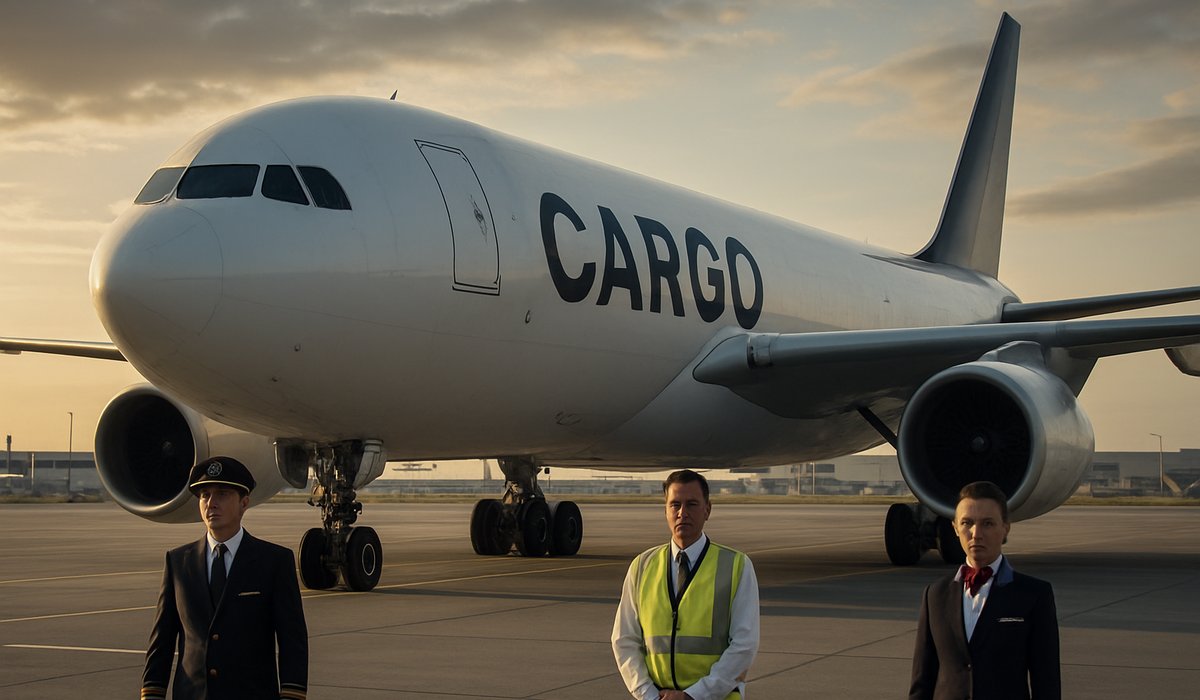
Image generated by AI
The Engineering Marvel Behind Modern Air Cargo: Five Critical Design Features Reshaping Global Logistics
As supply chain pressures mount worldwide, specialized freighter aircraft are becoming the backbone of international commerce—here's how their revolutionary design keeps the global economy moving
The Silent Workhorses of Global Trade
While commercial airlines dominate public attention with their passenger services, a parallel aviation ecosystem quietly moves the lifeblood of international commerce. Cargo aircraft operate with relentless efficiency, transporting semiconductors, pharmaceuticals, automotive components, and time-sensitive goods across continents at speeds conventional logistics cannot match. As geopolitical tensions, pandemic-driven supply chain disruptions, and e-commerce expansion continue to strain traditional freight networks, the engineering sophistication behind dedicated freighters has become central to economic resilience.
Maximizing Payload Capacity Through Structural Innovation
Modern cargo aircraft prioritize interior volume above all other considerations. Engineers have stripped away non-essential elements—windows, galley systems, complex seating configurations—to create expansive cargo holds that can accommodate everything from oversized industrial equipment to palletized consumer goods. This design philosophy fundamentally differs from hybrid passenger-cargo conversions, allowing purpose-built freighters to achieve significantly higher weight-to-space ratios, translating directly into operational profitability for carriers.
Rapid Ground Turnaround: The Speed Advantage
Cargo operations demand swift loading and unloading cycles. Specialized freighters feature wide-body fuselages with front-loading cargo doors that can accommodate standard pallets and container systems, reducing turnaround times from hours to minutes. This operational efficiency compounds across multiple daily rotations, making capital investments in dedicated aircraft economically viable for logistics operators managing time-critical shipments.
Reinforced Structural Integrity for Heavy Operations
Freighter aircraft endure extreme stress profiles. Their reinforced cargo floors, strengthened fuselage frames, and enhanced landing gear systems support constant high-density loading cycles that would exceed design parameters in standard passenger aircraft. This engineering resilience enables sustained operations in demanding environments and on unprepared airfields where commercial airlines cannot venture.
Avionics and Navigation for Flexible Routing
Cargo operators require sophisticated systems capable of operating into secondary and emerging markets. Advanced navigation, weather radar, and communication systems enable these aircraft to navigate challenging routes and conditions, accessing airports in developing regions where passenger services remain limited.
The Economic Multiplier Effect
The global air cargo market has expanded exponentially, with specialized freighters now integral to just-in-time manufacturing, pharmaceutical distribution, and e-commerce fulfillment. These aircraft's engineering sophistication directly influences aviation industry profitability and supply chain resilience worldwide.
FAQ: Common Questions About Cargo Aircraft Design
1. Why don't cargo aircraft have windows? Windows add weight, reduce structural integrity, and serve no operational purpose for freighter missions focused purely on payload capacity and rapid transit.
2. How does cargo aircraft design differ from passenger aircraft? Cargo planes eliminate passenger amenities, feature reinforced flooring systems, wider cargo doors, and optimized weight distribution—prioritizing volume and durability over comfort.
3. What impact do cargo aircraft have on global supply chains? Specialized freighters enable time-critical international logistics, reducing delivery times from weeks to hours and supporting modern e-commerce and pharmaceutical distribution networks.
4. Which aircraft dominate the global cargo fleet? Boeing 747F, Airbus A330-200F, and Airbus A380F models represent the industry standard, alongside converted passenger aircraft like the Boeing 767 and 777 variants.
5. How do rising jet fuel prices affect cargo aircraft operations? Elevated fuel costs increase operational expenses, often passed to shippers through surcharges, but cargo's time-sensitive nature maintains demand despite price increases.
Related Travel Guides
Flight Delay Compensation Guide 2026
Understanding Airline Route Changes
Airport Security Process Updated (2026)
External Resources
Disclaimer
This article is for informational and educational purposes only. It does not constitute legal, financial, or professional advice. While we strive to provide accurate and up-to-date information, travel policies, regulations, and conditions change rapidly. Always verify information with official sources before making travel decisions. Nomad Lawyer makes no representations about the accuracy, reliability, completeness, or suitability of the information provided. Readers should consult qualified professionals for advice specific to their circumstances. The views expressed in this article are those of the author and do not necessarily reflect the views of Nomad Lawyer.
Preeti Gunjan
Contributor & Community Manager
A passionate traveller and community builder. Preeti helps grow the Nomad Lawyer community, fostering engagement and bringing the reader experience to life.
Learn more about our team →