
American Airlines Deploys 155-Seat Airbus A321XLR Across 9 Premium Transatlantic and Transcon Routes in 2026
American Airlines is restructuring its long-haul strategy by deploying the 155-seat Airbus A321XLR on nine key routes, prioritizing premium configurations over high-capacity widebody aircraft for niche European and US coastal markets.

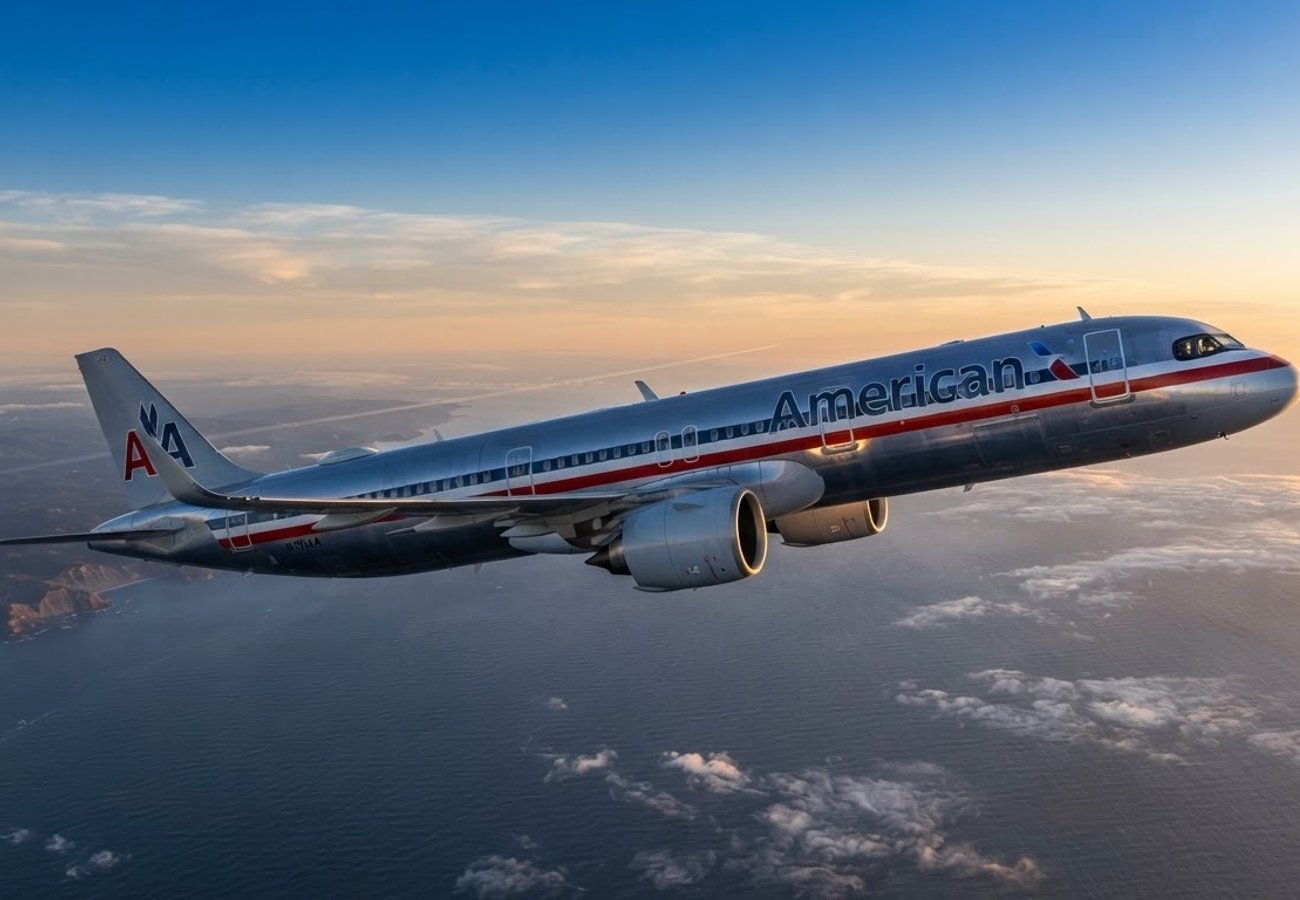
Image generated by AI
American Airlines is pivoting its long-haul strategy by deploying the Airbus A321XLR on nine specific routes. This shift replaces high-capacity widebodies with a premium-heavy, 155-seat narrowbody configuration to optimize profitability on "thin" markets.
Fleet Configuration and Cabin Specifications
Analysis of fleet data confirms that American Airlines has configured the A321XLR with 155 seats, a significant reduction from the 190 seats found in standard A321 aircraft. This layout is engineered to provide a widebody-style experience within a single-aisle footprint.
The cabin is divided into three distinct classes:
- Flagship Suite: 20 business class seats featuring a 1-1 layout, lie-flat beds, and privacy doors.
- Premium Economy: 12 seats equipped with larger recliners, including dedicated leg and foot rests.
- Main Cabin: 123 seats featuring seatback entertainment, Bluetooth connectivity, and high-speed Wi-Fi.
By limiting total capacity to 155 passengers, the carrier reduces unit costs while increasing the proportion of high-yield premium seats, targeting corporate travelers and luxury leisure segments.
Route Impact Breakdown
The deployment is split between high-frequency domestic corridors and strategic European gateways.
Transcontinental (US Domestic)
The A321XLR is being utilized to phase out the older 102-seat A321T fleet, increasing overall capacity while maintaining a three-cabin premium standard.
- New York (JFK) to Los Angeles (LAX): Primary flagship corridor.
- New York (JFK) to San Francisco (SFO): Targeting coastal business demand.
- Boston (BOS) to Los Angeles (LAX): Scheduled as an all-A321XLR route during peak summer periods with multiple daily frequencies.
Transatlantic (International)
The aircraft allows American to maintain daily service to European cities where demand does not justify a twin-aisle widebody, particularly during shoulder and winter seasons.
- New York (JFK) to Edinburgh (EDI): The launch market for overseas A321XLR services.
- East Coast Gateways to Barcelona (BCN), Lisbon (LIS), and Amsterdam (AMS): Identified as key components of the initial winter and summer schedules.
Passenger Rights & Advisory
For the affected passenger, the transition to the A321XLR introduces a different onboard experience compared to traditional widebody aircraft.
Our analysis of the configuration suggests the following impacts:
- Comfort vs. Space: While Business and Premium Economy passengers receive upgraded seating, Main Cabin passengers should expect a higher passenger-to-lavatory ratio than on widebody jets.
- Rebooking Rights: Under US DOT guidelines and EU261/2004 (for flights departing the EU), passengers are entitled to compensation if a flight is cancelled or significantly delayed due to aircraft swaps or technical failures. If American Airlines replaces an A321XLR with a lower-class aircraft (e.g., removing the lie-flat suite), passengers may be entitled to a partial refund or a downgrade payment.
- Connectivity: The inclusion of high-speed Wi-Fi and Bluetooth across all 155 seats ensures that productivity standards for business travelers remain consistent regardless of aircraft size.
Industry Analyst View
The deployment of the A321XLR represents a "right-sizing" strategy. By utilizing a narrowbody for long-haul missions, American Airlines can operate "long-thin" routes—flights that are long in distance but have lower passenger volumes.
This flexibility allows the airline to pivot the aircraft between summer transatlantic surges and winter transcontinental missions. It effectively mitigates the financial risk of flying half-empty widebodies during off-peak months while continuing to capture high-yield corporate revenue through the 20 Flagship Suites.
The era of the massive widebody for every long-haul route is ending, replaced by surgical, premium-focused narrowbody deployments.
Related Travel Guides
Disclaimer
This article is for informational and educational purposes only. It does not constitute legal, financial, or professional advice. While we strive to provide accurate and up-to-date information, travel policies, regulations, and conditions change rapidly. Always verify information with official sources before making travel decisions. Nomad Lawyer makes no representations about the accuracy, reliability, completeness, or suitability of the information provided. Readers should consult qualified professionals for advice specific to their circumstances. The views expressed in this article are those of the author and do not necessarily reflect the views of Nomad Lawyer.
Kunal K Choudhary
Co-Founder & Contributor
A passionate traveller and tech enthusiast. Kunal contributes to the vision and growth of Nomad Lawyer, bringing fresh perspectives and driving the community forward.
Learn more about our team →