Oman Pairs Up With UAE And More Middle Eastern Countries In Stronger Investment Controls To Build A Safer Tourism Economy

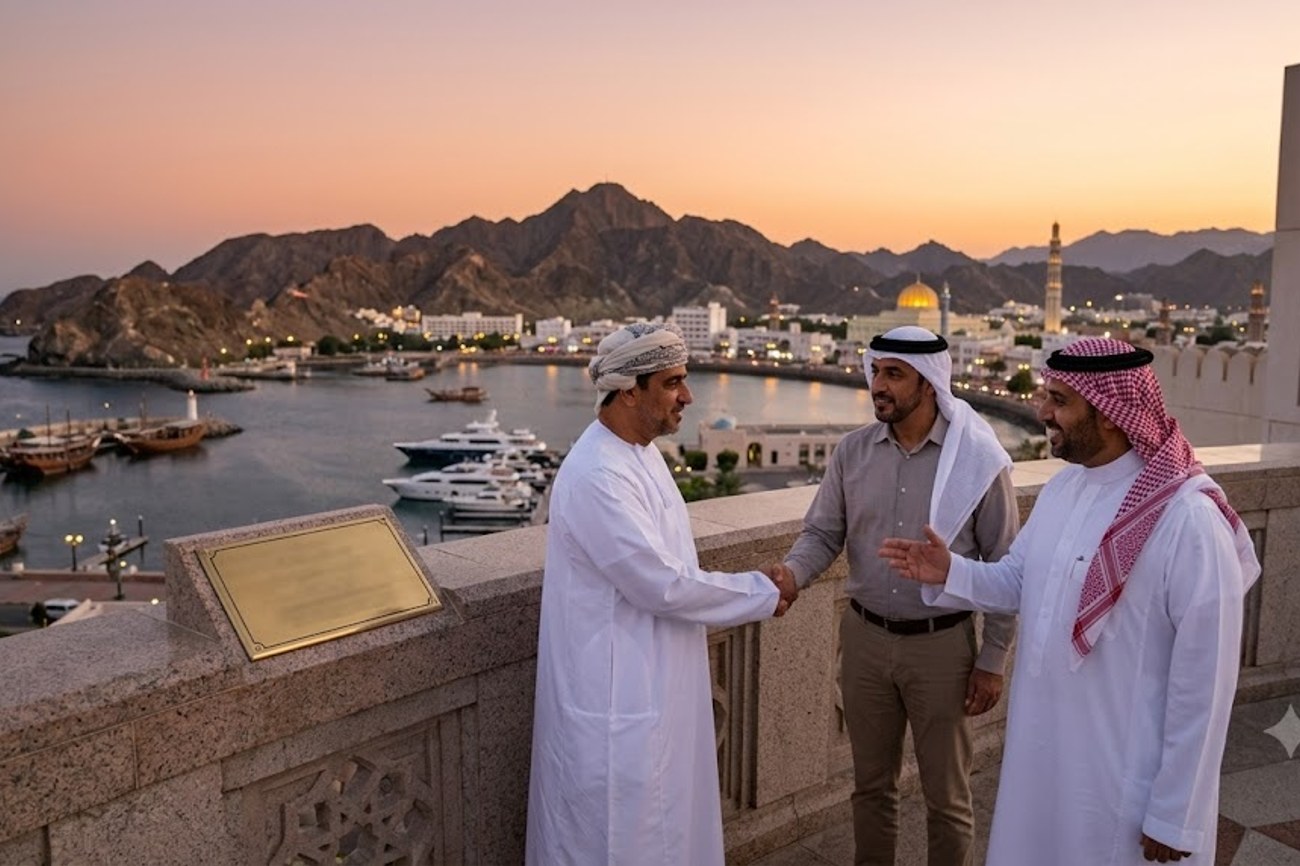
Image generated by AI
The strategic pivot toward "controlled openness" across the Gulf Cooperation Council (GCC) is fundamentally altering how international capital enters the Middle Eastern tourism market. By implementing tighter regulations on land use, beneficial ownership, and residency-linked investments, nations like Oman, the UAE, and Saudi Arabia are moving away from the "open door" policies of the previous decade toward a curated investment model. This shift ensures that foreign capital does not merely inflate real estate bubbles but actively contributes to the long-term diversification goals of national blueprints like Oman Vision 2040 and Saudi Vision 2030.
The Architecture of Controlled Growth
The transition in the Gulf is not a retreat from globalism, but a refinement of it. For years, the region attracted investment through broad incentives and relatively loose regulatory frameworks. However, the current phase of economic development prioritizes the protection of strategic assets and the enforcement of transparency. This is particularly evident in the tourism sector, where the scale of development—ranging from luxury resorts to entire "giga-projects"—requires a level of state oversight that prevents haphazard urban sprawl and ensures environmental sustainability.
In Oman, this manifests as a tightening of the rules surrounding special economic zones and foreign property ownership. The government is no longer seeking any and all investment; it is seeking investment that aligns with specific national priorities. By restricting ownership primarily to approved areas and designated developments, Oman is effectively directing foreign capital toward the regions and sectors that most urgently need development, rather than allowing market forces to dictate the geography of growth.
Regulatory Divergence Across the GCC
While the trend toward stricter control is regional, the execution varies by state. The UAE has focused its efforts on the "invisible" side of investment: compliance and transparency. By intensifying requirements for beneficial ownership reporting and anti-money laundering procedures, the UAE is insulating its hospitality and residential tourism markets from global financial volatility. This creates a higher barrier to entry in terms of paperwork and legal scrutiny, but it ultimately provides a more secure environment for institutional investors.
Conversely, Saudi Arabia is utilizing a top-down strategic model. Investment in the Kingdom's massive tourism expansion is increasingly tethered to government planning. Access to property and strategic project approvals is not a right of the investor but a privilege granted based on the project's alignment with the state's overarching vision.
Oman's efforts to strengthen investment controls in the tourism sector are being supported by its partnerships with the UAE and other Middle Eastern countries. This collaboration aims to create a safer and more stable environment for tourists, with a focus on enhancing security measures and regulatory frameworks. For more information on Oman's tourism initiatives, visit the official website of the Oman Ministry of Tourism to learn about the latest developments and investment opportunities.
The following table outlines the primary regulatory focal points currently shaping the region's tourism investment:
| Country | Primary Regulatory Lever | Direct Impact on Tourism Sector |
|---|---|---|
| Oman | Land use and free zone licensing | Curated growth of coastal resorts and heritage sites |
| UAE | Financial compliance and ownership transparency | Professionalization of the luxury hotel and residential market |
| Saudi Arabia | Strategic project approvals and property access | State-guided development of mega-tourism hubs |
| Qatar | Sector-specific licensing and investment zones | High-value focus on sports and cultural tourism |
| Bahrain | Property-linked residency requirements | Managed growth of waterfront and island tourism |
| Kuwait | Domestic asset protection and land ownership | Conservative, slow-growth investment model |
Expert Analysis: The Cost of Compliance for the Global Nomad
For the high-net-worth traveler or the "nomad investor" looking to establish a footprint in the Gulf, the direct consequence of these shifts is the end of the "easy entry" era. The pricing pressure created by these regulations is not necessarily an increase in the cost of the asset, but an increase in the cost of acquisition. Investors must now budget for significantly higher legal and compliance fees to navigate the new transparency mandates in the UAE or the licensing hurdles in Oman.
Furthermore, the linkage between residency and investment is becoming more rigid. Previously, property investment often served as a backdoor to residency. Now, governments are implementing a clearer, more transactional connection between the two. This means that "passive" investment—buying a property and leaving it vacant—is becoming less attractive than "active" investment in projects that create jobs or enhance infrastructure.
The new investment controls are expected to have a positive impact on passenger logistics, with a focus on streamlining travel procedures and improving the overall tourist experience. Airlines such as Emirates are already working to enhance their services, with more efficient check-in processes and improved in-flight amenities. For the latest flight schedules and travel information, passengers can visit the official Emirates website to plan their trips and book their flights.
From a market perspective, this creates a "flight to quality." By weeding out speculative capital through tougher licensing and reporting, these countries are attracting more stable, long-term institutional players. For the end-user—the tourist—this likely means a higher standard of hospitality and more cohesive urban planning, as projects are now vetted against national sustainability goals rather than short-term profit margins. The regulatory friction introduced today is a hedge against the boom-and-bust cycles that have historically plagued rapid tourism expansions in emerging markets.
Key Takeaways
- Strategic Zoning: Foreign property ownership in Oman is now largely restricted to approved developments, preventing unregulated land acquisition.
- Compliance Overload: The UAE is prioritizing anti-money laundering (AML) and beneficial ownership reporting, making financial transparency a prerequisite for tourism investment.
- State-Led Direction: Saudi Arabia’s tourism growth is strictly aligned with government-approved sectors, meaning independent foreign ventures face higher hurdles than state-partnered projects.
- Residency Tightening: Across the GCC, the path from investment to residency is becoming more structured, requiring stricter adherence to eligibility criteria.
- Diversification Goal: These policies are designed to shift economies away from hydrocarbon dependence toward sustainable, high-value tourism.
FAQ: Gulf Investment Regulations 2024
Can foreigners still buy property in Oman? Yes, but ownership is now primarily limited to approved areas and designated developments. Investors must ensure their target property falls within these government-sanctioned zones to secure legal title.
How have UAE investment rules changed for hospitality businesses? The UAE has implemented stricter corporate ownership transparency and financial compliance standards. Businesses must now provide detailed beneficial ownership reporting and adhere to rigorous anti-money laundering procedures.
The stronger investment controls are also expected to provide valuable insights into the tourism industry, helping authorities to better understand tourist behavior and preferences. The Dubai Tourism Board is already using data analytics to inform its tourism strategies, with a focus on creating personalized experiences for visitors. For more information on Dubai's tourism initiatives and to plan a trip to the city, visit the official Visit Dubai website to discover the latest attractions and experiences.
Is it easier to invest in Saudi Arabian tourism now than before? While more opportunities exist due to Vision 2030, the process is more controlled. Investment is now more closely tied to government planning and requires specific strategic project approvals.
What is the link between investment and residency in Bahrain? Bahrain continues to offer residency through property-linked programs, but access is governed by specific eligibility requirements and the use of approved developments.
The era of the unregulated Gulf gold rush has ended, replaced by a sophisticated, state-managed blueprint for luxury.
Related Travel Guides
This article is for informational purposes. Flight routes, passenger regulations, visa rules, and transit advisories are subject to change by airlines and aviation authorities. Readers are advised to verify schedules and travel documentation with relevant carriers and border agencies before departure.
Related Stories

European Mass Protests Disrupt Travel Across France, Italy, Belgium, and Turkey in 2026

Israel Tourism Recovery 2026: North American Flight Restorations and New ETA-IL Entry Rules