
China Travel Growth Soars With 2030 Cultural Tourism Plan Boosting Domestic Trips Global Visitors and Experiences
China Travel Growth Soars With 2030 Cultural Tourism Plan Boosting Domestic Trips Global Visitors and Experiences

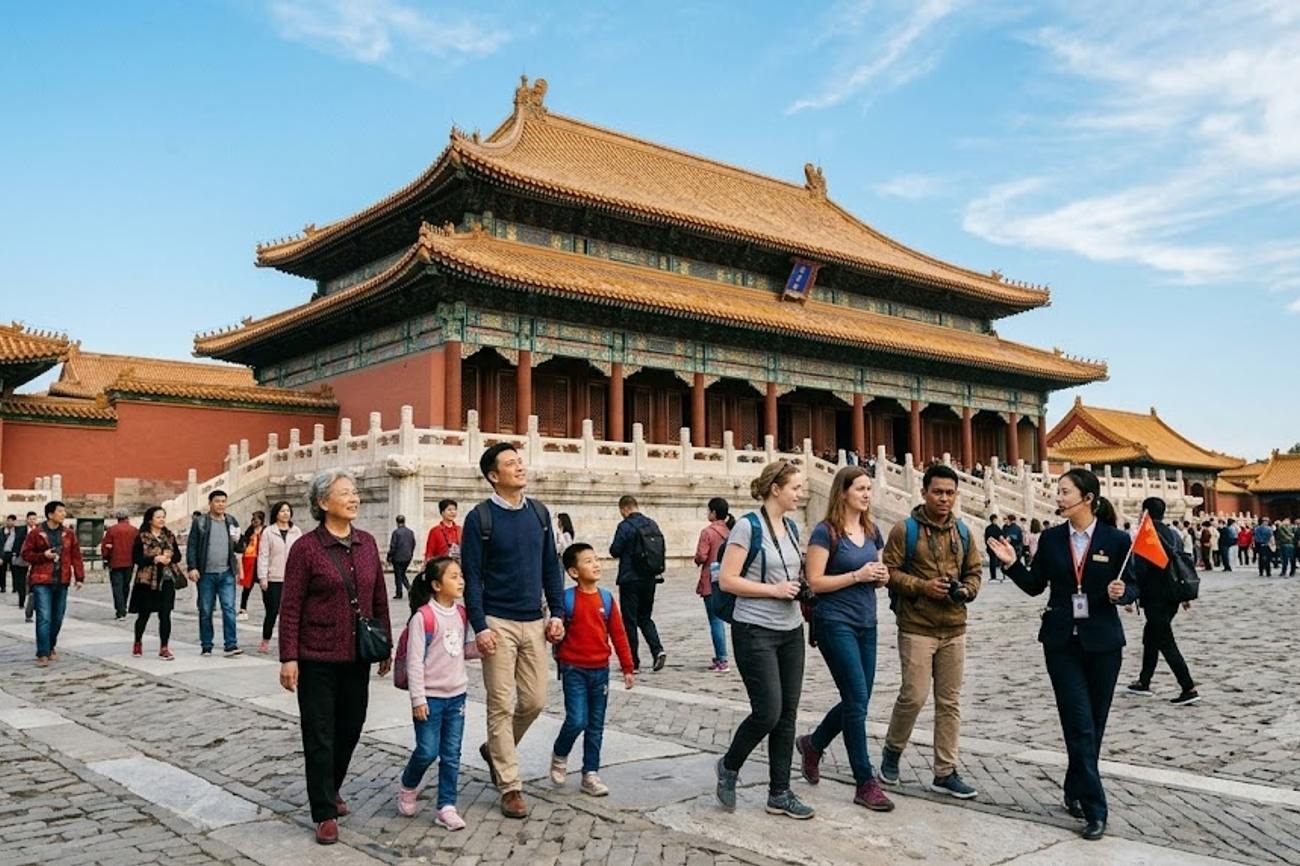
Image generated by AI
[Beijing, October 2024] — China is launching a massive strategic overhaul of its travel sector via the 15th Five-Year Plan for Cultural and Tourism Development (2026–2030), targeting a surge to 8.3 billion domestic trips annually by the end of the decade.
The comprehensive roadmap aims to pivot the national economy toward experience-driven growth, integrating high-tech immersive attractions with traditional heritage. By 2030, the Chinese government intends to scale inbound international arrivals to 190 million visits per year while aggressively expanding the domestic tourism spend to 7.7 trillion yuan.
The 2030 Cultural Tourism Roadmap
The immediate catalyst for this shift is the formalization of the 2026–2030 development cycle, which seeks to move beyond passive sightseeing. The state is prioritizing the "fusion" of culture, technology, and consumerism to create a high-value tourism ecosystem. This involves a systemic transition where travel is no longer viewed as a standalone activity but as a hybrid of entertainment, sports, and education.
Central to this strategy is the modernization of the visitor experience. The government is directing resources toward "immersive environments," utilizing augmented reality and interactive installations to bring historical sites to life. Furthermore, the plan mandates a tighter integration between the Ministry of Culture and Tourism of the People's Republic of China and national transportation networks to reduce friction in reaching remote rural and industrial hubs.
Markets and Sectors Under Expansion
The 2030 plan does not apply a one-size-fits-all approach; instead, it carves out specific growth targets for diverse travel niches. The following sectors are designated as primary drivers for the projected 8.3 billion annual trips:
- Cultural & Heritage Tourism: Transformation of traditional sites into interactive educational hubs.
- Industrial Tourism: Opening of manufacturing centers and equipment production facilities to the general public.
- Rural & Agritourism: Expansion of village-based stays and agricultural experiences to stimulate regional economies.
- Event-Based Travel: Targeted growth in concert, music festival, and major sports event tourism.
- Outdoor & Seasonal Leisure: Massive investment in high-quality ski destinations for winter tourism, alongside the expansion of RV camping and yachting.
- Maritime Tourism: A dedicated push to increase the volume and quality of cruise ship travel.
In terms of urban hubs, the World Tourism Cities Federation (WTCF) has already flagged Beijing, Shanghai, Hong Kong, Hangzhou, and Chengdu as leading global destinations. These cities are expected to serve as the primary gateways for the 190 million targeted international visitors.
What This Means for Travelers
For the average traveler, these corporate and governmental targets translate into tangible changes in how China is navigated and experienced.
For International Visitors: The push for 190 million annual visitors means the "friction" of entering China is being systematically removed. Travelers can expect streamlined visa processes and a significant upgrade in digital infrastructure. This includes the integration of more international payment systems to replace the strict reliance on local apps, as well as more efficient tax refund mechanisms at major ports of entry. Additionally, new "niche" luxury services are being developed, including specialized medical tourism and Traditional Chinese Medicine (TCM) wellness retreats.
For Domestic Travelers: Chinese citizens will see a shift in how holidays are structured. The government is promoting flexible and staggered vacation schedules to prevent the extreme overcrowding typical of "Golden Week" periods. There will be a wider array of "lifestyle" products—such as curated sports tours or industrial heritage trails—moving away from the traditional "group tour" model toward personalized, interest-based itineraries.
For Aviation and Hospitality: The projected increase in spending to 7.7 trillion yuan (up from 6.3 trillion yuan in 2025) suggests a massive capital injection into hotel infrastructure and regional airport expansions. Travelers will likely see increased flight frequencies to secondary and tertiary cities as the government pushes tourism into rural and industrial zones.
Timeline for Implementation and Infrastructure
The rollout of the 15th Five-Year Plan begins in earnest in 2026, but the foundational work is happening now. The immediate priority is the upgrading of "soft infrastructure"—payment gateways, visa policies, and digital service platforms.
Following the initial policy shift, the focus will move toward "hard infrastructure" between 2027 and 2029. This includes the development of world-class ski resorts to sustain winter tourism and the expansion of cruise terminals to accommodate larger vessels. By 2030, the goal is a fully integrated system where a traveler can move seamlessly from a high-speed rail link to a rural boutique hotel or an industrial museum using a single digital identity.
The government is also coordinating with the Civil Aviation Administration of China (CAAC) to ensure that air corridors are optimized for the projected influx of 190 million global visitors, particularly focusing on increasing direct flights from emerging markets in the Global South and strengthening existing links with Europe and North America.
FAQ: China Tourism 2030
Will it be easier for foreigners to visit China by 2030? Yes. The government is specifically targeting "easier visa access" and improved international payment options to reach its goal of 190 million annual inbound visitors. Expect more visa-free entries and better integration of global credit cards.
What is "Industrial Tourism" in the context of this plan? Industrial tourism involves visiting active manufacturing plants, equipment factories, and consumer goods production sites. Instead of just museums, travelers will visit functioning industrial hubs to learn about China's production capabilities.
How will domestic travel change for Chinese citizens? Travelers will move away from traditional sightseeing toward "experience-driven" trips, including sports events, rural retreats, and cultural festivals. The government is also encouraging staggered vacations to reduce peak-season crowding.
Which cities are currently the top destinations for international tourists? According to the WTCF, Beijing, Shanghai, Hong Kong, Hangzhou, and Chengdu are recognized as the leading global tourism cities within China's network.
China is betting billions that the future of travel is not just seeing a place, but experiencing its pulse.
#ChinaTourism2030 #InboundChinaTravel #WTCF #Beijing #Shanghai #CAAC #CulturalTourism
Related Travel Guides
- Switzerland Leads Europe’s Creative Power Surge with Design Culture and Tourism Strength
- Kyrgyzstan Boosts Travel Ambitions With Direct US Flight Plans to Unlock Tourism Business and Global Connectivity
- Norway Follows Switzerland and Others To Showcase The World’s Most Incredible Snow Covered Tourism Experiences And Unforgettable Winter Escapes
Disclaimer
This article is for informational and educational purposes only. It does not constitute legal, financial, or professional advice. While we strive to provide accurate and up-to-date information, travel policies, regulations, and conditions change rapidly. Always verify information with official sources before making travel decisions. Nomad Lawyer makes no representations about the accuracy, reliability, completeness, or suitability of the information provided. Readers should consult qualified professionals for advice specific to their circumstances. The views expressed in this article are those of the author and do not necessarily reflect the views of Nomad Lawyer.
Naina Thakur
Contributor & Travel Specialist
Travel enthusiast and legal writer covering visa regulations, responsible tourism, and cultural journeys across global destinations.
Learn more about our team →