
Oman and Iran Propose Historic Strait of Hormuz Accord to Protect CNG, LNG, LPG Routes and Gulf Tourism: New Travel Alert
Oman and Iran have unveiled a joint proposal inspired by the Strait of Malacca model to manage the Strait of Hormuz, safeguarding global CNG, LNG, and LPG energy routes and boosting Gulf tourism.

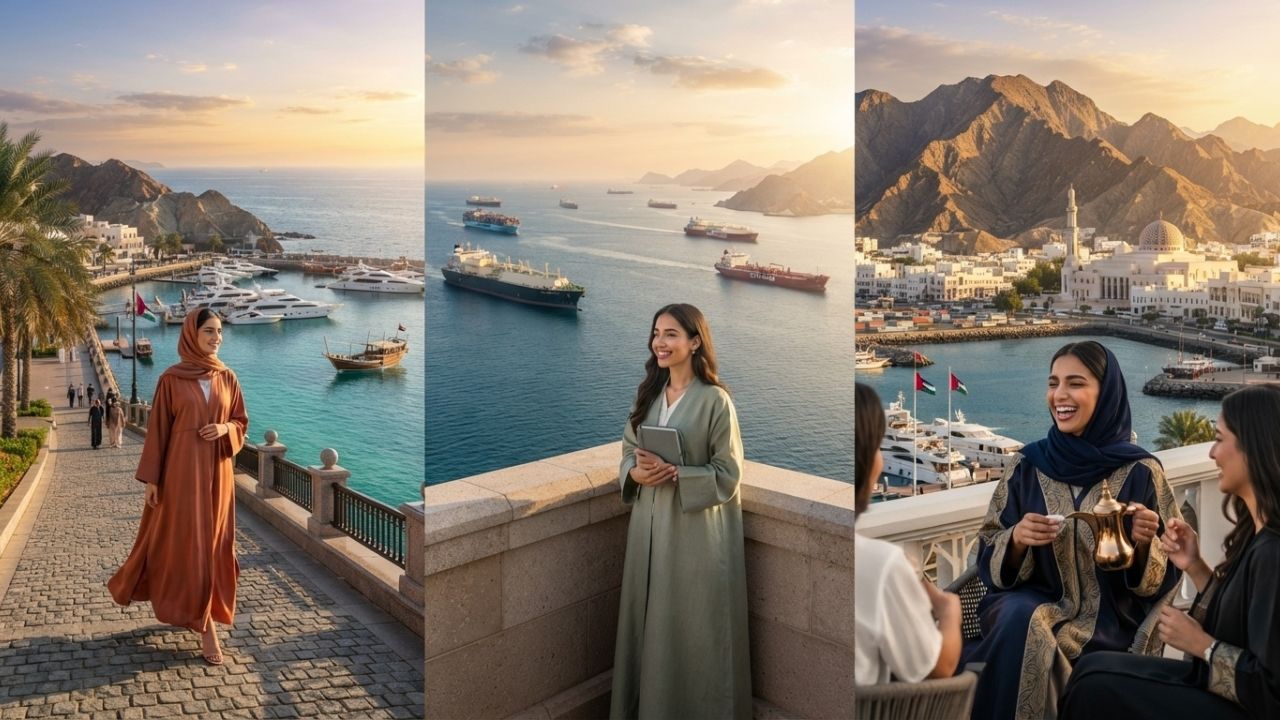
Image generated by AI
Oman and Iran Unveil Historic Joint Proposal for Strait of Hormuz to Safeguard Global CNG, LNG, and LPG Routes and Restore Gulf Tourism Stability: New Travel Alert
Published on July 29, 2026
In a landmark diplomatic breakthrough, Oman and Iran have introduced a joint regional proposal to establish a cooperative management framework for the Strait of Hormuz, transforming safety protocols across one of the world's most vital maritime bottlenecks. Inspired by the successful Strait of Malacca model, the proposed accord introduces a shared management system supported by voluntary contributions from international shipping operators. The initiative aims to enhance navigation safety, environmental protection, and search-and-rescue capabilities while preventing any single nation from exercising unilateral control. Crucially, the landmark agreement is designed to safeguard global CNG, LNG, and LPG energy transit routes while bolstering international confidence across the multi-billion-dollar tourism economies of Oman, the United Arab Emirates, Qatar, Bahrain, and Saudi Arabia.
📌 Quick Summary: Key Facts for Travelers
- Historic Joint Proposal: Oman and Iran present a regional cooperative mechanism to manage navigation, environmental safety, and emergency response in the Strait of Hormuz.
- Strait of Malacca Model: Inspired by Southeast Asia’s cooperative maritime framework, using voluntary contributions from maritime users rather than unilateral control.
- Energy Lifeline Safeguarded: Protects crucial global supplies of Compressed Natural Gas (CNG), Liquefied Natural Gas (LNG), Liquefied Petroleum Gas (LPG), and crude oil.
- Prevents Exclusive Control: The accord explicitly ensures no single country gains sole authority over the strategic waterway, preserving international freedom of navigation.
- Gulf Tourism Confidence Boost: Restores stability for commercial airlines, cruise operators, and international investors across Oman, the UAE, Qatar, Bahrain, and Saudi Arabia.
Context: Diplomatic Innovation at the Gulf's Critical Energy Bottleneck
The Strait of Hormuz serves as the primary maritime gateway connecting the oil and gas fields of the Persian Gulf to international ocean trade routes. Every day, a major portion of the world's commercial energy exports—including vital shipments of CNG, LNG, LPG, and petroleum—passes through this narrow passage.
Historically, geopolitical tensions around the Strait of Hormuz have triggered spikes in global energy prices, elevated marine insurance surcharges, and created uncertainty for regional travel and aviation networks. Recognizing that maritime instability directly threatens economic development, Muscat has leveraged its traditional position as a neutral diplomatic bridge to broker a cooperative management framework with Tehran and neighboring Gulf states.
Event Details: Core Features of the Oman–Iran Maritime Proposal
The diplomatic initiative outlines a multi-tiered framework designed to modernize Strait of Hormuz operations:
1. The Strait of Malacca Cooperative Model
Rather than imposing compulsory tolls or military blockades, Oman’s proposal adapts the proven cooperative framework used in the Strait of Malacca—one of Asia's busiest commercial waterways. Under this system, international shipping lines and maritime stakeholders make voluntary financial contributions to maintain shared navigational infrastructure.
2. Multi-Nation Operational Responsibilities
The proposed mechanism distributes operational management among participating regional nations, ensuring that Iran does not hold exclusive authority over the waterway. Funds generated through voluntary contributions will be allocated toward:
- Upgrading high-definition radar and vessel traffic management systems
- Funding environmental protection and oil spill response units
- Strengthening regional search-and-rescue (SAR) capabilities
- Maintaining deep-water navigational buoys and safety beacons
3. Protection for Global CNG, LNG, and LPG Supply Networks
Uninterrupted maritime movement through the Strait of Hormuz is essential for nations dependent on imported energy. Secure access for CNG, LNG, and LPG tankers stabilizes global fuel pricing, preventing energy price shocks that can drive up international airfares, cruise ticket costs, and transportation expenses worldwide.
Regional Maritime Accord Comparison Matrix
The table below contrasts the proposed cooperative framework with traditional unilateral control models:
| Management Dimension | Oman–Iran Proposed Cooperative Model | Traditional Unilateral / Tense Status Quo | Impact on Trade & Tourism |
|---|---|---|---|
| Governance Structure | Shared regional mechanism involving Gulf states | Unilateral claim risks and naval friction | Creates predictable, law-backed navigation |
| Funding Mechanism | Voluntary contributions from maritime users | Risk of arbitrary tolls or military surcharges | Stabilizes global freight & passenger transit costs |
| Navigational Safety | Joint search-and-rescue & radar monitoring | Fragmented emergency coordination | Enhances maritime safety for cruise ships & tankers |
| Energy Protection | Safeguards CNG, LNG, LPG, and crude oil routes | Exposure to supply disruptions & price spikes | Stabilizes global aviation fuel prices & airfares |
| Gulf Tourism Perception | Restores international travel & investor confidence | Heightened perception of regional security risk | Boosts visitor arrivals in Oman, UAE, Qatar & Saudi |
Risk and Impact Analysis: Economic, Aviation, and Tourism Benefits
Establishing a stable cooperative framework in the Strait of Hormuz delivers far-reaching benefits across multiple sectors:
1. Gulf Tourism and Hospitality Expansion
- Oman Cultural & Nature Tourism: Oman’s strategy to position itself as a premier destination for adventure, heritage, and luxury travel relies heavily on regional peace. A stable Strait of Hormuz enhances visitor confidence in Muscat, Salalah, and Musandam.
- UAE, Qatar, and Saudi Vision 2030 Projects: Multi-billion-dollar luxury tourism developments—such as Saudi Arabia’s Red Sea project, Dubai’s mega-resorts, and Qatar’s cultural destinations—benefit directly from reduced regional security concerns.
- Cruise Line Operations: International cruise operators planning winter Middle East itineraries require guaranteed maritime security before scheduling calls in Persian Gulf ports.
2. Global Aviation and Energy Price Stability
- Airfare Stabilization: Uninterrupted LNG and jet fuel supply chains keep airline operational costs stable, helping prevent sudden fuel surcharges on international flights connecting Europe, Asia, and the Americas.
- Reduced Shipping Insurance Surcharges: Eliminating war-risk insurance premiums for commercial vessels lowers the landed cost of imported goods across Gulf economies.
What Authorities and Diplomats Are Saying
Regional diplomats and maritime security experts have welcomed the proposal as a constructive shift toward long-term stability:
"Oman’s diplomatic proposal marks a fundamental transition from confrontation to collaborative management in the Strait of Hormuz," stated a senior Gulf maritime analyst. "By adapting the Strait of Malacca model, regional powers can protect critical CNG, LNG, and LPG energy routes while providing the stability needed to drive tourism growth, aviation expansion, and international investment across the Middle East."
Diplomatic representatives from Muscat emphasized that the proposal remains open to all regional stakeholders and international maritime bodies, reinforcing Oman's commitment to open navigation and peaceful dialogue.
Practical Traveler Advice Checklist for Gulf Destinations
Travelers planning trips to Oman, the UAE, Qatar, Bahrain, or Saudi Arabia should consider the following practical guidance:
- Capitalize on Stable Gulf Itineraries: Take advantage of expanded flight and cruise options connecting Muscat, Dubai, Doha, and Riyadh as regional stability strengthens.
- Monitor Official Regional Travel Advisories: Keep updated via official government travel portals when planning cross-border Gulf road trips or maritime excursions.
- Verify Comprehensive Travel Insurance: Ensure your travel insurance covers standard trip cancellations, medical emergencies, and travel delays.
- Explore Oman’s Diverse Regions: Visit Oman’s unique geographical attractions—from the fjords of Musandam near the Strait of Hormuz to the green mountains of Salalah—with confidence in local security.
- Track Flight Bookings Early: Reserve long-haul flights connecting through major Gulf hubs early to secure competitive fares supported by stable energy prices.
Broader Context: Oman’s Legacy of Neutral Diplomacy
Oman’s role in crafting this proposal reflects its historic position as a neutral mediator in Middle Eastern politics. Muscat has consistently maintained open diplomatic channels with Iran, Western nations, and fellow GCC members, often facilitating dialogue during periods of international tension.
By extending this diplomatic approach to maritime governance, Oman aims to transform a historically sensitive choke point into a model of regional partnership. Securing the Strait of Hormuz protects not only global energy trade but also the broader economic diversification goals of all Arabian Peninsula nations.
Looking Ahead: Operationalizing the Strait of Hormuz Framework
While the joint proposal represents a significant diplomatic milestone, several operational steps remain before full implementation:
- Regional Stakeholder Consensus: Finalizing technical agreements between Oman, Iran, and neighboring GCC member states.
- Establishing Voluntary Contribution Portals: Developing transparent mechanisms for commercial shipping lines to contribute toward navigation and safety funds.
- Joint Search-and-Rescue Protocols: Conducting joint maritime emergency response exercises between regional coast guards.
As diplomatic consultations continue, the proposed accord offers a promising roadmap toward lasting maritime security, energy stability, and tourism growth across the Gulf.
Conclusion
The joint Strait of Hormuz proposal presented by Oman and Iran represents a major turning point for Middle Eastern stability. By creating a shared maritime mechanism inspired by the Strait of Malacca model, the initiative safeguards essential CNG, LNG, and LPG energy routes while building international confidence in Gulf tourism. Supported by proactive diplomacy, travelers and businesses can look forward to a safer, more predictable future across the region.
Frequently Asked Questions (FAQ)
What is the new proposal for the Strait of Hormuz presented by Oman and Iran?
Oman and Iran have proposed a joint regional cooperative mechanism to manage the Strait of Hormuz, focusing on navigation safety, environmental protection, and search-and-rescue operations supported by voluntary contributions from maritime users.
How does the Strait of Malacca model inspire this Gulf maritime proposal?
The Strait of Malacca model relies on cooperative management among regional countries and voluntary contributions from international shipping lines to maintain safety and navigation infrastructure, rather than unilateral control or mandatory tolls.
Which energy routes are protected under the proposed Strait of Hormuz accord?
The framework is designed to safeguard critical global energy shipments, including Compressed Natural Gas (CNG), Liquefied Natural Gas (LNG), Liquefied Petroleum Gas (LPG), and crude oil passing from the Persian Gulf to international markets.
Does the proposal give Iran exclusive control over the Strait of Hormuz?
No. The proposal explicitly ensures that no single country, including Iran, holds exclusive authority. Instead, it establishes a shared regional responsibility that preserves international freedom of navigation.
How does stability in the Strait of Hormuz benefit Gulf tourism?
Predictable maritime security reduces perceptions of regional risk, restoring confidence for international tourists, commercial airlines, cruise operators, and hospitality investors across Oman, the UAE, Qatar, Bahrain, and Saudi Arabia.
Related Travel Guides
Disclaimer
This article is for informational and educational purposes only. It does not constitute legal, financial, or professional advice. While we strive to provide accurate and up-to-date information, travel policies, regulations, and conditions change rapidly. Always verify information with official sources before making travel decisions. Nomad Lawyer makes no representations about the accuracy, reliability, completeness, or suitability of the information provided. Readers should consult qualified professionals for advice specific to their circumstances. The views expressed in this article are those of the author and do not necessarily reflect the views of Nomad Lawyer.
Kunal K Choudhary
Co-Founder & Contributor
A passionate traveller and tech enthusiast. Kunal contributes to the vision and growth of Nomad Lawyer, bringing fresh perspectives and driving the community forward.
Learn more about our team →