Oman Air Launches Direct Scheduled Flights to Tashkent and Singapore


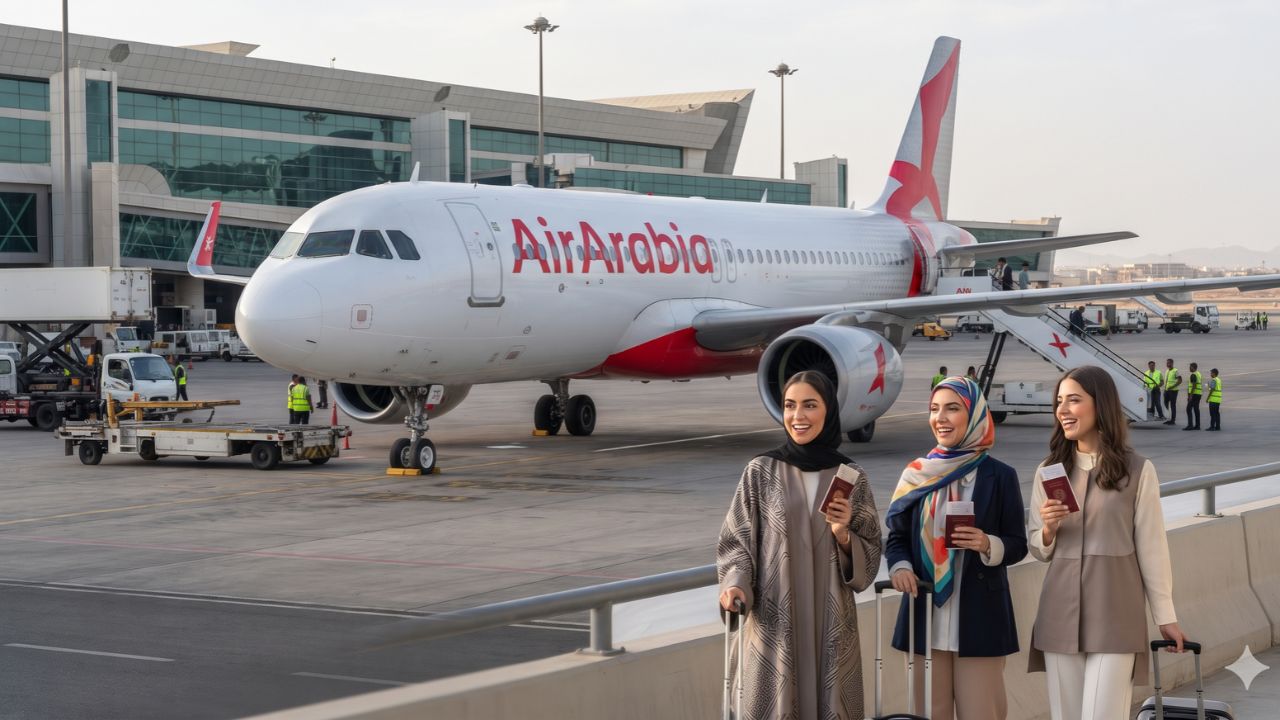
Image generated by AI
Marking a major network expansion, the new scheduled Oman Air flights to Tashkent and Singapore have officially commenced operations from Muscat. The direct services connect Muscat International Airport (MCT) with Tashkent International Airport (TAS) and Singapore Changi Airport (SIN) to target rising trade and tourism demand.
Developing the Central Asian Corridor
The expansion includes two weekly flights to Uzbekistan and four weekly flights to Singapore. By offering direct routing, the carrier provides a more efficient alternative to multi-stop layovers for regional passengers.
The Tashkent route represents the carrier's entry into the growing Central Asian aviation market. Uzbekistan is experiencing a rise in international visitor numbers due to heritage tourism and economic reforms.
Connecting Muscat directly with Tashkent supports trade and diplomatic exchanges between Oman and Central Asia. The twice-weekly flights help establish Muscat as a transit node for passengers traveling from Uzbekistan to Europe.
Anchoring the Southeast Asian Network
The launch of four weekly flights to Singapore strengthens the airline's presence in one of the world's most competitive aviation markets. Singapore Changi Airport acts as a primary gateway to Southeast Asia, East Asia, and Australia.
According to reports, the route is designed to attract both corporate travelers and holidaymakers. By linking with Oman Air routes to Europe, the service builds passenger volume through the Muscat International Airport (MCT) hub.
Why This Matters
Our analysis of the flight data indicates that Oman Air's dual expansion into Tashkent and Singapore highlights a strategic diversification away from traditional regional routes. By targeting Central Asia, the carrier secures first-mover advantages in emerging tourism markets before other Gulf airlines establish dominant shares. Simultaneously, adding capacity to Singapore allows the airline to feed premium traffic into its European routes, defending its market share against larger regional carriers. This approach demonstrates how mid-sized airlines can utilize geographic positioning to build sustainable transit hubs.
Industry Outlook
Market trends suggest that transit traffic through secondary Gulf hubs will grow as passengers seek to avoid congested mega-airports. Long-term projections indicate that if the Tashkent service maintains high load factors through 2026, the airline may increase frequency to three flights weekly. Expect Oman Air to introduce codeshare partnerships with Southeast Asian carriers by 2027 to expand passenger options beyond Singapore Changi Airport (SIN) into neighboring regional markets.
Frequently Asked Questions: Tashkent and Singapore Flights
How often do Oman Air flights operate to Tashkent?
The scheduled direct service between Muscat and Tashkent operates twice weekly.
What is the flight frequency for the Muscat-Singapore route?
Oman Air operates direct flights to Singapore four times per week.
What are the primary airport destinations for these new routes?
The flights connect Muscat International Airport (MCT) with Tashkent International Airport (TAS) and Singapore Changi Airport (SIN).
Related Travel Guides
This article is for informational purposes. Flight routes, passenger regulations, visa rules, and transit advisories are subject to change by airlines and aviation authorities. Readers are advised to verify schedules and travel documentation with relevant carriers and border agencies before departure.
Related Stories

JetBlue Fort Lauderdale Expansion Creates 26-Hour Weekend Gap for Midwest Travelers
Air Arabia Dammam Launches First International Route: Five Weekly Flights to Amman