Nusa Dua Follows Canggu And Others As Bali, Indonesia Enters A New Tourism Era With Rising Pressure On Hotels Villas And Property Investors

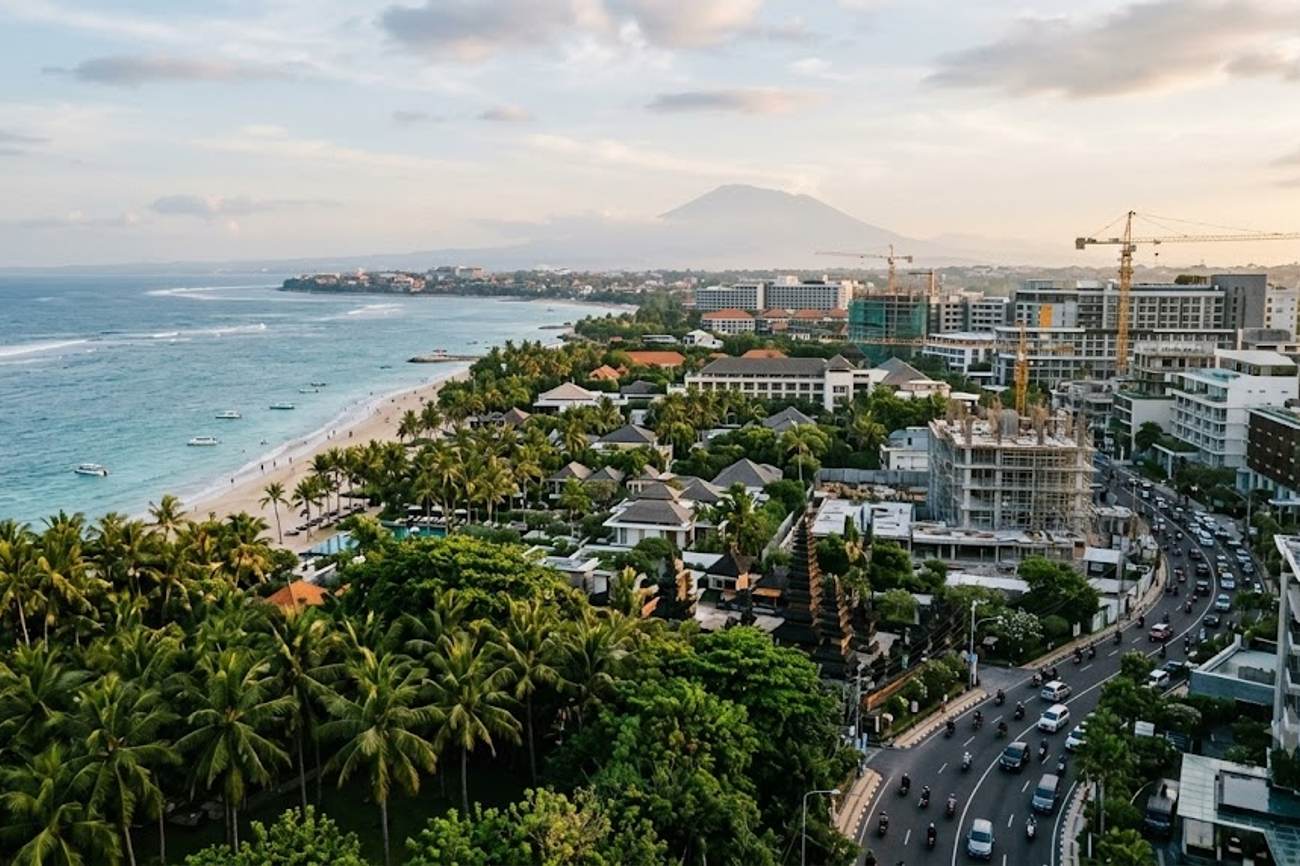
Image generated by AI
[Denpasar, July 2026] — A surge of 244 hotels and villas has appeared on online sales listings across Bali’s primary tourism hubs, signaling a potential market correction following years of hyper-growth in the island's accommodation sector.
The listings span the island's most coveted districts, including Kuta, Seminyak, Canggu, Ubud, Nusa Dua, Pecatu, and Sanur. While these figures originate from digital advertisements rather than official government insolvency records, they have triggered a formal review by local authorities to determine if the trend indicates a systemic failure of the hospitality market or a standard rotation of investment portfolios.
The Catalyst for Market Correction
The primary driver behind the current instability is a widening gap between tourist arrivals and the volume of available rooms. While global demand for Bali remains high, the pace of construction for new villas and hotels has outstripped the growth of visitor numbers. This oversupply has created an environment of aggressive competition, forcing operators to slash prices and increase marketing spend to maintain occupancy.
Industry analysts suggest the island is entering a "correction" phase. For years, investors entered the Bali market with expectations of rapid, effortless returns. However, the proliferation of short-term rentals and boutique resorts has diluted the market, making it difficult for mid-tier properties to sustain profitability against rising operational costs, including staff wages and platform commissions.
Market Impact by Region
The pressure is not distributed evenly across the island. Different zones are experiencing distinct economic realities based on their primary visitor profiles:
| Region | Market Status | Primary Pressure Point |
|---|---|---|
| Canggu & Seminyak | High Saturation | Rapid influx of short-term rentals creating extreme competition. |
| Kuta | Shifting Demand | Travelers are migrating toward alternative, less crowded districts. |
| Ubud | Stable | Continued demand for wellness and cultural tourism. |
| Nusa Dua & Uluwatu | Competitive Luxury | High-end resorts are fighting for a limited pool of luxury spenders. |
| Sanur | Resilient | Strong, established reputation among loyal traveler demographics. |
Despite these regional struggles, overall tourism metrics remain positive. Data from the Indonesia Ministry of Tourism and Creative Economy indicates that foreign arrivals rose to 697,809 in July 2026, a significant jump from the 605,013 visitors recorded in June.
Practical Traveler Advisory and Strategic Insights
For the average tourist booking a trip to Bali right now, this market correction is largely a benefit. The oversupply of rooms means travelers have more leverage than ever before.
1. Lower Costs and Better Deals Because hotels and villas are fighting for every guest to keep occupancy rates up, travelers can expect more aggressive discounting, complimentary upgrades, and bundled packages. This is particularly true in saturated markets like Canggu and Seminyak.
2. Higher Quality Standards As the market shakes out, properties that cannot maintain high service standards are the most likely to be listed for sale. The survivors—such as the Ayodya Resort Bali—are those investing in superior guest experiences, meaning the overall quality of available "surviving" hotels is likely to increase.
As Bali, Indonesia enters a new tourism era, areas like Nusa Dua are experiencing rising pressure on hotels, villas, and property investors, with the Indonesian Ministry of Tourism aiming to improve infrastructure and services to cater to the growing number of visitors, for more information on tourism development plans, visit the official Indonesian Ministry of Tourism website. The ministry's efforts include enhancing passenger logistics and travel experiences. This is expected to boost the local economy and attract more investments in the tourism sector.
3. Greater Variety of Choice The shift from monolithic resorts to a diverse array of boutique villas provides travelers with more personalized options, though it requires more diligence in vetting properties via official channels.
The Regulatory Shift and Future Outlook
The Bali Provincial Government is now prioritizing legal compliance to stabilize the industry. Authorities are cracking down on zoning violations and unlicensed villas that have historically undercut registered hotels by avoiding taxes and safety regulations.
Moving forward, the "wild west" era of Bali property investment is ending. Future success for accommodation providers will depend on strict adherence to licensing and zoning laws. There is a concerted effort to coordinate with online booking platforms to prioritize legally approved providers, which will likely remove a significant amount of "grey market" inventory from the ecosystem.
The occupancy rate for star-rated hotels stood at 67.29 percent in July 2026. While this is an improvement over June's 64.87 percent, it remains lower than the 67.75 percent recorded in July 2025. This marginal decline, paired with an increase in total room supply, confirms that the island is not suffering from a lack of tourists, but from a surplus of beds.
FAQ: Bali Accommodation Market 2026
Is Bali experiencing a tourism decline? No. International arrivals are actually increasing, with nearly 700,000 visitors in July 2026 alone. The issue is "oversupply," meaning there are too many hotels and villas competing for the available tourists.
Why are so many villas being listed for sale? Reasons vary from portfolio restructuring and financial planning to a failure to meet projected returns. Some owners are simply testing the market value of their properties rather than facing financial collapse.
Will hotel prices in Bali go up or down? In the short term, prices in saturated areas like Canggu and Seminyak may drop or remain stagnant as owners compete for occupancy. However, luxury properties in high-demand zones like Ubud may maintain their pricing.
Are unlicensed villas still a risk for travelers? Yes. Local authorities are increasing enforcement of zoning and licensing. Travelers are encouraged to book through registered businesses to ensure safety and legal compliance.
The Bali dream is not disappearing; it is simply maturing into a regulated industry.
Related Travel Guides
- Switzerland Unveils Breathtaking Valais Alpine Secrets In New York With Luxury Flavours Legendary Traditions And Unforgettable Mountain Experiences
- Indonesia’s Sumba and South Lombok Attract a New Wave of Luxury Travellers
- Mizoram’s First Pluck And Pay Festival Brings Unforgettable Farm Adventures And Cultural Discovery To India
This article is for informational purposes. Flight routes, passenger regulations, visa rules, and transit advisories are subject to change by airlines and aviation authorities. Readers are advised to verify schedules and travel documentation with relevant carriers and border agencies before departure.
Related Stories

Denver Museum of Illusions Expands to 8,700 Square Feet: 60 Exhibits, 16th Street Mall Reopening, and Colorado Family Travel Guide

Zen Awakening Festival 2026: Florida's Transformational Music, Mindfulness, and Arts Gathering in Fruitland Park