
Switzerland Unveils Breathtaking Valais Alpine Secrets In New York With Luxury Flavours Legendary Traditions And Unforgettable Mountain Experiences
Switzerland Unveils Breathtaking Valais Alpine Secrets In New York With Luxury Flavours Legendary Traditions And Unforgettable Mountain Experiences

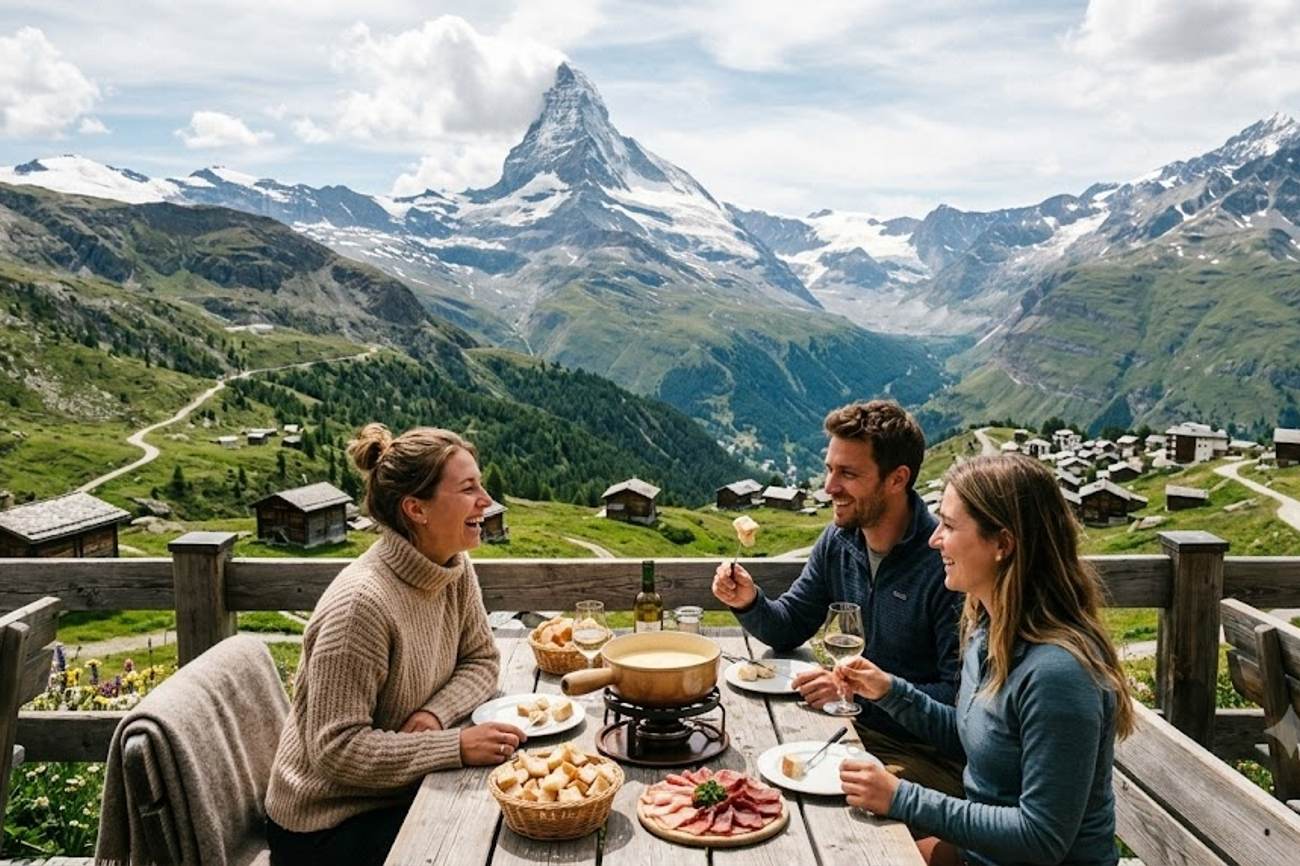
Image generated by AI
1.6 square metres defines the footprint of one of the world’s smallest vineyards in Saillon, a detail that served as the emotional anchor for a strategic Swiss tourism showcase in New York City. This minuscule plot, containing just three vines planted in honor of local figure Joseph-Samuel Farinet, symbolizes a broader shift in how the Valais region is marketing itself to high-net-worth North American travelers: moving away from generic "mountain views" toward hyper-local, narrative-driven cultural assets.
The Strategic Pivot to Narrative Tourism
The recent promotional event in Midtown Manhattan was not merely a cultural exchange but a calculated effort to reposition the Valais region of Switzerland as a diversified luxury destination. By transforming a rooftop venue into a sensory representation of the Alps, Swiss tourism officials aimed to decouple the region's identity from the singular image of skiing. The event integrated the gastronomic and musical legacies of Switzerland, Germany, France, Italy, and Austria, positioning Valais as a central hub within a larger, interconnected Alpine ecosystem.
For the modern traveler, the attraction is no longer just the altitude but the "story" behind the destination. The inclusion of the Saillon vineyard—where grapes are harvested to support charitable causes—demonstrates a move toward "impact tourism," where the traveler's visit is linked to humanitarian efforts and local folklore. This approach targets a demographic that prioritizes authenticity and ethical engagement over traditional sightseeing.
Regional Specializations and Market Positioning
The showcase highlighted five distinct destinations within Valais, each assigned a specific market role to avoid internal competition and offer a comprehensive portfolio to international visitors.
| Destination | Primary Market Positioning | Key Asset/Attraction |
|---|---|---|
| Aletsch Arena | Environmental Grandeur | Dramatic glacier landscapes |
| Nendaz | Active Adventure | Mountain village charm and outdoor sports |
| Région Dents du Midi | Cross-Border Integration | Portes du Soleil connectivity (Swiss-French) |
| Leukerbad | Wellness & Medical Tourism | Natural thermal hot springs |
| Saas-Fee | Cultural & Pop-Culture Appeal | Glacier village atmosphere and film locations |
The integration of the Portes du Soleil region via Dents du Midi is particularly significant. By emphasizing the cross-border nature of the ski area, Valais positions itself as a gateway to a multi-national experience, reducing the friction of international travel for tourists who wish to explore both Switzerland and France in a single itinerary.
Expert Analysis: The Gastronomic Moat
From a business perspective, Valais is utilizing "culinary heritage" as a competitive moat. In an era where luxury hotels and ski lifts are becoming standardized across the Alps, authentic gastronomy provides a unique selling proposition (USP) that cannot be easily replicated.
The focus on specific varietals like Petite Arvine (white) and Cornalin (red) is a deliberate move to elevate Valais wines to the status of Champagne or Bordeaux. For travelers booking trips to this region, the direct consequence is a shift in spending patterns; there is a growing trend toward "enogastronomy" tours where the wine cellar is as important as the ski slope.
Furthermore, the promotion of "cholera"—a traditional covered pie from the Goms Valley featuring leeks, potatoes, apples, and cheese—serves a dual purpose. It highlights the resourcefulness of Alpine history while appealing to the "foodie" traveler who seeks regional specialties over international cuisine. The pricing pressure this creates in the local hospitality sector is generally positive, as it allows boutique hotels and local eateries to command a premium for "authentic" traditional experiences.
The use of the alphorn in a Midtown Manhattan setting was a psychological trigger. By contrasting the deep, resonant sounds used by shepherds for long-distance communication with the noise of a global financial capital, the organizers created a sharp emotional longing for the "peaceful landscapes" of Switzerland. This is a classic luxury marketing tactic: selling the absence of urban stress.
Key Takeaways
- Diversified Offerings: Valais is moving beyond winter sports to promote a year-round calendar focusing on thermal wellness in Leukerbad and glacier exploration in the Aletsch Arena.
- Cultural Assets as Drivers: Micro-destinations, such as the 1.6 square metre vineyard in Saillon, are being used to create emotional connections and drive "hidden gem" tourism.
- Cross-Border Synergy: The partnership with the Portes du Soleil region allows for a seamless Swiss-French Alpine experience, increasing the region's appeal to long-haul travelers.
- Gastronomic Identity: The promotion of indigenous grapes (Cornalin, Petite Arvine) and regional dishes (cholera, raclette) is central to the region's luxury branding strategy.
- Pop-Culture Integration: Saas-Fee is leveraging its history as a filming location for music videos to attract a younger, globally-connected demographic.
FAQ: Valais Tourism 2024
What makes the wines of Valais unique for visitors? The region specializes in indigenous grapes that are rarely found elsewhere. The Cornalin red and Petite Arvine white are primary examples of the area's deep winemaking heritage and are central to the regional culinary experience.
Is Valais only a winter destination? No. While skiing is prominent in Nendaz and Dents du Midi, the region promotes year-round travel through thermal baths in Leukerbad, glacier hiking in Saas-Fee, and culinary tours through the Goms Valley.
What is "cholera" in the context of Swiss food? Despite the name, it is a traditional savory pie from the Goms Valley. It typically consists of local ingredients like cheese, potatoes, leeks, and apples, reflecting the historic resourcefulness of mountain communities.
How can I experience cross-border skiing in this region? The Région Dents du Midi is part of the Portes du Soleil, one of the largest ski networks in the world, allowing skiers to cross the border between Switzerland and France on their skis.
When the world's smallest vineyard can command the attention of Manhattan's elite, the power of the narrative outweighs the scale of the destination.
Tags: Valais-Tourism, Swiss-Alps-Gastronomy, Portes-du-Soleil, Leukerbad-Thermal-Baths, Saas-Fee-Glaciers, Swiss-Wine-Promotion
Related Travel Guides
- Indonesia’s Sumba and South Lombok Attract a New Wave of Luxury Travellers
- Mizoram’s First Pluck And Pay Festival Brings Unforgettable Farm Adventures And Cultural Discovery To India
- Malaysia Along With UAE As Strategic Tourism Partners Unlock New Gulf Travel Growth Through Aviation And Marketing Cooperation
Disclaimer
This article is for informational and educational purposes only. It does not constitute legal, financial, or professional advice. While we strive to provide accurate and up-to-date information, travel policies, regulations, and conditions change rapidly. Always verify information with official sources before making travel decisions. Nomad Lawyer makes no representations about the accuracy, reliability, completeness, or suitability of the information provided. Readers should consult qualified professionals for advice specific to their circumstances. The views expressed in this article are those of the author and do not necessarily reflect the views of Nomad Lawyer.
Preeti Gunjan
Contributor & Community Manager
A passionate traveller and community builder. Preeti helps grow the Nomad Lawyer community, fostering engagement and bringing the reader experience to life.
Learn more about our team →