
Northern Ireland Establishes Mourne Mountains and Strangford Lough Slow Travel Corridor to Drive Restorative Ecotourism and Mental Wellness
Northern Ireland's Mourne Mountains and Strangford Lough expand slow travel ecotourism, reducing visitor cortisol by 20% and extending stays to 4.7 days.

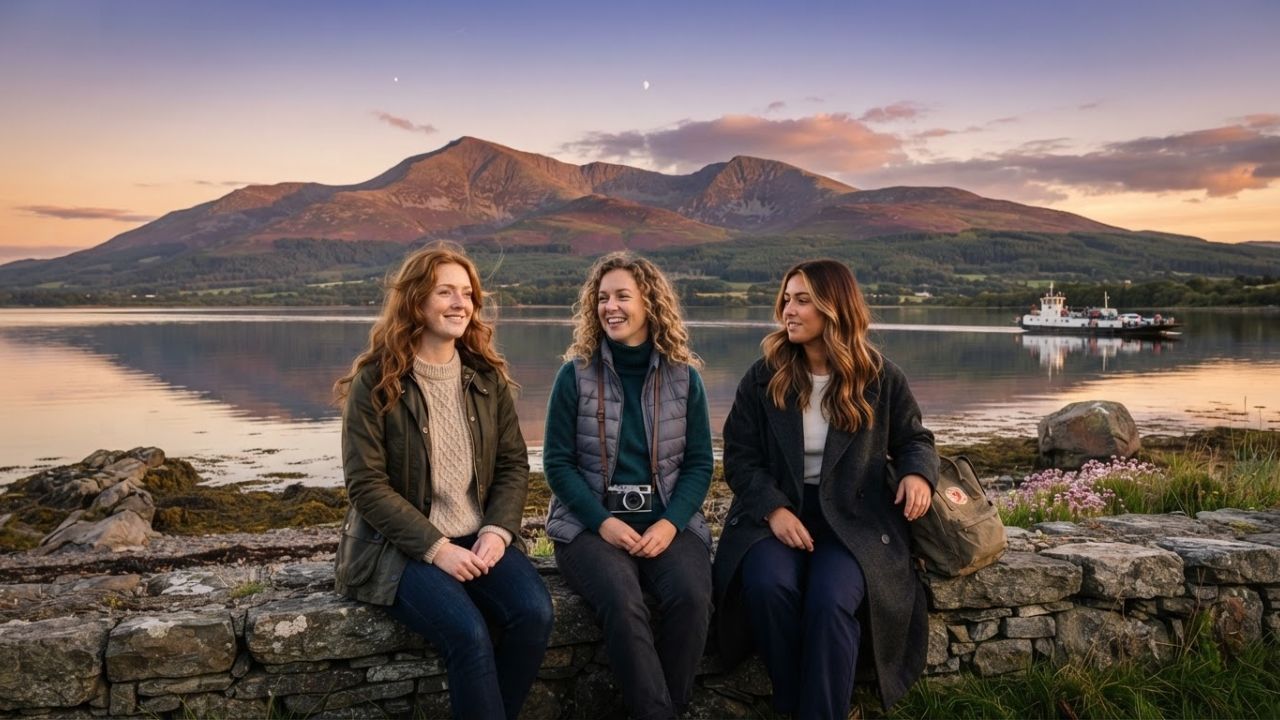
Image generated by AI
Tourism authorities and conservation bodies in Northern Ireland have expanded slow-travel infrastructure across the Mourne Mountains and Strangford Lough, establishing a restorative ecotourism corridor designed to counter digital fatigue. Combining marine conservation, mountain trail management, and low-impact eco-lodgings, the initiative shifts regional travel away from fast-paced itineraries while driving direct economic support to rural communities.
Northern Ireland Expands Mindful Ecotourism Across Mourne Mountains and Strangford Lough
As hyper-connected lifestyles increase demand for digital disconnection, Northern Ireland has positioned the geographic corridor between Strangford Lough and the Mourne Mountains as a model for slow, restorative travel. Supported by Tourism Northern Ireland, the region emphasizes extended visitor stays, environmental conservation, and mental health recovery over rapid, checklist-driven sightseeing.
Northern Ireland welcomes over 5.1 million overnight visitors annually, generating more than 15 million total overnight stays. Within the Mourne and Strangford Lough region, visitor expenditure contributes between £30 million and £43 million directly into rural economies. Tourism analytics show that the average length of stay in slow-travel destinations has increased from 2.3 days to 4.7 days per visit. Solo travelers and wellness-focused couples account for 62% of total bookings in the area, with 45% of international visitors citing mental renewal and burnout recovery as their primary trip motivation.
Ecological Density and Infrastructure Specifications of the Coastal-Mountain Corridor
The restorative travel corridor integrates two distinct ecosystems: the marine environments of Strangford Lough and the high-granite peaks of the Mourne Mountains.
Strangford Lough spans 150 square kilometers with a 150-kilometer shoreline, holding status as the largest sea lough in the British Isles. The estuary supports over 2,000 marine species and acts as an international biological sanctuary, hosting up to 75% of the world's population of Light-bellied Brent Geese each winter. The Strangford Lough Ferry system crosses the lough, reducing vehicle transit by 24 kilometers per trip around the water while cutting regional transport emissions.
The Mourne Mountains are anchored by Slieve Donard, Ulster's highest peak at 850 meters (2,790 feet). Running across 15 distinct summits is the historic Mourne Wall, a 35-kilometer dry-stone structure constructed between 1904 and 1922 to frame the catchment area and protect fragile upland habitats. High-density access routes, such as the Glen River trail, experience monthly traffic peaks of 21,300 visitors, prompting active trail management to preserve granite pathways.
| Geographic / Infrastructure Asset | Physical Metric & Scope | Primary Ecological & Operational Function |
|---|---|---|
| Strangford Lough Estuary | 150 sq km area / 150 km shoreline | Largest sea lough in British Isles; home to 2,000+ marine species |
| Light-bellied Brent Geese Refuge | Up to 75% global winter population | International bird sanctuary & seasonal observation hub |
| Strangford Lough Ferry | 24 km road transit reduction per trip | Low-emission water crossing connecting Strangford & Portaferry |
| Slieve Donard Peak | 850 meters (2,790 feet) elevation | Highest mountain peak in Ulster; high-altitude trail network |
| Historic Mourne Wall | 35 km length across 15 summits | 1904–1922 dry-stone structure protecting upland habitats |
| Glen River Access Trail | 21,300 monthly peak visitors | Managed granite footway controlling upland erosion |
| Restorative Indicator | Quantitative Metric | Physiological & Behavioral Outcome |
|---|---|---|
| Salivary Cortisol Reduction | 15% to 20% drop within 120 mins | Direct biological decrease in stress hormone levels |
| Heart Rate Variability (HRV) | 12% improvement during stays | Parasympathetic rest-and-digest nervous system shift |
| Average Length of Stay | Extended from 2.3 to 4.7 days | Deeper engagement & 28% higher local producer spend |
| Per-Visitor Carbon Footprint | 35% to 40% reduction | Lower transit emissions via localized slow travel |
| Digital Detox Engagement | 58% limit screen time to <30 mins/day | 80% improvement in self-reported mental focus post-trip |
| Low-Impact Eco-Lodgings | 85% meet zero-carbon standards | 100% renewable grid power & 30% water savings per stay |
Step-by-Step Logistics Guide: Navigating Northern Ireland's Slow Travel Routes
Travelers seeking restorative, low-impact itineraries across Down and Armagh can optimize their travel logistics through established eco-transit options and heritage corridors.
- Strangford Ferry & Coastal Transit: Avoid the 24-kilometer drive around the lough by boarding the Strangford Ferry between Strangford and Portaferry. The 8-minute water crossing runs daily, connecting coastal trails with low transit emissions.
- Glen River & Mountain Pacing: When climbing Slieve Donard via the Glen River route from Newcastle, start early to avoid peak monthly crowds (up to 21,300 hikers). Allocate 4 to 5 hours for the round trip, wearing sturdy boots to navigate the granite steps of the Mourne Wall.
- Digital Detox Accommodations: Over 70% of boutique lodgings and restored farmhouses near Newcastle, Downpatrick, and Strangford offer offline packages. 58% of mindful travelers restrict phone usage to under 30 minutes daily, resulting in an 80% increase in self-reported focus post-stay.
- Literary and Heritage Corridors: Explore over 1,500 years of regional history, including the 5th-century St. Patrick heritage sites around Downpatrick and 12th-century Anglo-Norman Cistercian ruins at Inch Abbey and Grey Abbey. Visit Mount Stewart, managed by the National Trust, housing over 15,000 preserved artworks and gardens that inspired C.S. Lewis’s depiction of Narnia.
- Eco-Lodge Booking Buffers: 85% of new accommodations in the Strangford area operate on 100% renewable energy with low-impact designs. Book eco-cabins and farm stays 3 to 5 months in advance during spring and autumn shoulder seasons.
Physiological Health Metrics and Sustainable Local Economic Impact
Biometric and physiological studies demonstrate that unhurried immersion in Northern Ireland's coastal and mountain environments produces measurable health benefits. Spending 120 minutes in natural environments around Strangford Lough triggers a 15% to 20% reduction in salivary cortisol levels. Biometric tracking indicates a 12% improvement in Heart Rate Variability (HRV), shifting the nervous system from sympathetic fight-or-flight activation to parasympathetic recovery.
This shift toward slow travel also alters regional economic distribution. Overnight visitors extending their stay to 4.7 days generate a 28% increase in direct spending on local food producers, family-run accommodations, and craft artisans compared to rapid day-touring. Per-visitor daily carbon footprints decline by 35% to 40% due to reduced vehicle transit, while regional walking trail usage has grown by 140%.
By 2026, 60% of international destination evaluation frameworks prioritize resident quality of life and visitor satisfaction over headcount growth. Sustainable trail management budgets in Area of Outstanding Natural Beauty (AONB) zones have increased by £2 million to £4 million, while slow-travel destinations demonstrate a 30% higher three-year repeat-visitor rate.
Frequently Asked Questions: Northern Ireland Slow Travel & Restorative Ecotourism
What are the main geographical highlights of Northern Ireland's slow travel corridor?
The corridor connects Strangford Lough—the largest sea lough in the British Isles (150 sq km)—with the Mourne Mountains, anchored by Ulster's highest peak, Slieve Donard (850 meters / 2,790 feet).
How does natural immersion in Strangford Lough affect stress levels?
Biometric research shows that spending 120 minutes in natural environments around Strangford Lough produces a 15% to 20% drop in salivary cortisol levels and a 12% improvement in Heart Rate Variability (HRV).
How does slow travel benefit Northern Ireland's rural economy?
Extending visitor stays from 2.3 days to 4.7 days generates a 28% increase in direct expenditure on local food producers, family-run lodgings, and craft artisans while reducing per-visitor daily carbon footprints by 35% to 40%.
What historical and literary sites can travelers visit in this region?
Travelers can explore 5th-century St. Patrick heritage sites in Downpatrick, 12th-century Cistercian ruins at Inch Abbey and Grey Abbey, and Mount Stewart, whose landscapes inspired C.S. Lewis's Narnia.
Related Travel Guides
Disclaimer
This article is for informational and educational purposes only. It does not constitute legal, financial, or professional advice. While we strive to provide accurate and up-to-date information, travel policies, regulations, and conditions change rapidly. Always verify information with official sources before making travel decisions. Nomad Lawyer makes no representations about the accuracy, reliability, completeness, or suitability of the information provided. Readers should consult qualified professionals for advice specific to their circumstances. The views expressed in this article are those of the author and do not necessarily reflect the views of Nomad Lawyer.
Kunal K Choudhary
Co-Founder & Contributor
A passionate traveller and tech enthusiast. Kunal contributes to the vision and growth of Nomad Lawyer, bringing fresh perspectives and driving the community forward.
Learn more about our team →