
NJ TRANSIT Suspends Rail Service to New York Penn Station Due to a Trackside Brush Fire Near the Hudson River Tunnel, Warning Commuters and Tourists of a Massive NJ TRANSIT Rail Disruption: New Travel Alert
NJ TRANSIT suspended rail service to New York Penn Station after a brush fire near the Hudson River Tunnel forced train diversions and delayed travelers.

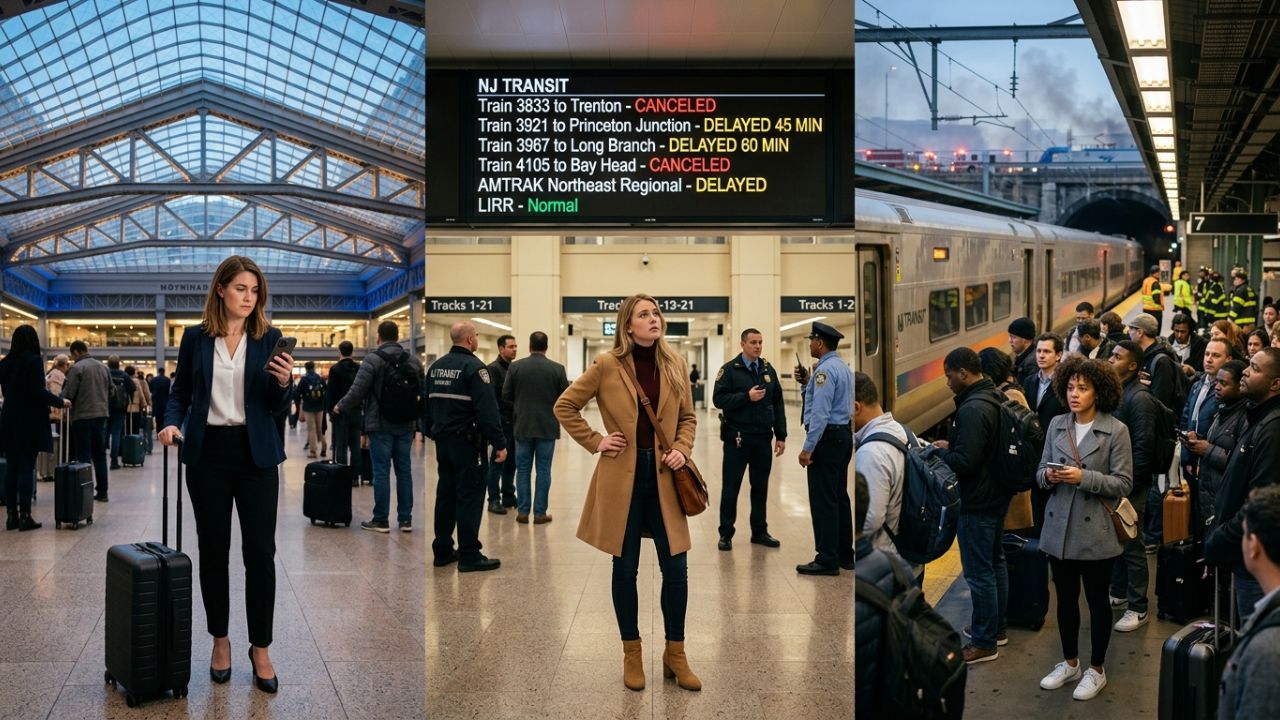
Image generated by AI
A major infrastructure emergency has thrown the Northeast Corridor into gridlock as a sudden trackside brush fire near the critical Hudson River Tunnel prompted an immediate NJ TRANSIT rail disruption, suspending all outbound and inbound rail services to New York Penn Station. Commuters and tourists navigating regional routes on Wednesday, May 21, 2026, faced extreme delays, schedule modifications, and crowded terminal platforms as transit safety teams halted trains to protect passengers. With Midtown Direct trains diverted away from Manhattan, transit authorities have declared an urgent travel warning, urging passengers to leverage cross-honored ticketing services and seek alternative transportation routes.
Safety crews and engineering teams worked throughout the afternoon to extinguish the trackside blaze and assess the structural integrity of the tunnel corridors. While train operations have slowly resumed, residual delays of up to 90 minutes are expected to persist across multiple lines as the transit network works to clear extensive train backlogs. Travelers with time‑sensitive itineraries, business meetings, or airport connections are advised to verify real-time departure schedules, check mobile transit applications, and plan for significantly extended travel times.
Quick Summary
- Trackside Infrastructure Fire: A brush fire near the Hudson River Tunnel forced a full suspension of NJ TRANSIT rail services into and out of New York Penn Station.
- Midtown Direct Rerouting: Midtown Direct trains were completely diverted to Hoboken Terminal, where passengers were transferred to PATH services.
- Extensive Travel Delays: Commuters are experiencing lingering delays of up to 90 minutes as transit schedules gradually normalize following containment of the fire.
- Cross-Honored Fares: Tickets and passes are being cross‑honored on PATH trains, municipal buses, and private carrier bus routes at key regional terminals.
- Cascade Network Impact: Since the Hudson River Tunnel is shared with Amtrak, the transit suspension has triggered cascading delays across the entire Northeast Corridor.
Context: Understanding the NJ TRANSIT Rail Disruption and Network Volatility
The occurrence of this trackside brush fire highlights the extreme vulnerability of the regional transit corridor connecting New Jersey and New York City. The Hudson River Tunnel is a vital rail artery that accommodates hundreds of daily commuter transits, making even a temporary closure a major logistical crisis.
When smoke and flames were discovered near the tracks approaching this critical tunnel on May 21, 2026, safety officials had no choice but to implement emergency shutdown protocols. Commuters are advised to utilize the official NJ TRANSIT notification portal for instant route alerts and updated cross-honoring schedules.
Incident Details: Trackside Brush Fire Triggers Safe NJ TRANSIT Rail Disruption Response
The emergency began during the peak afternoon travel window when smoke and flames were reported directly adjacent to the rail lines approaching the Hudson River Tunnel. Due to the high risk of trackside heat affecting the overhead catenary power systems and obstructing visibility within the tight tunnel, transit officials halted all rail service in both directions.
To keep passengers moving, NJ TRANSIT initiated several emergency mitigation measures:
- Midtown Direct Diversions: Midtown Direct trains, which typically run directly from central New Jersey into Manhattan, were diverted to Hoboken Terminal, forcing commuters to make transfers to PATH trains or regional ferries.
- Widespread Cross-Honoring: Rail tickets and passes were immediately cross-honored on all PATH trains, NJ TRANSIT municipal buses, and participating private bus carriers.
- Key Exchange Hubs: Cross‑honored ticketing was active at major transit interchanges including Newark Penn Station, Hoboken Terminal, and 33rd Street in Manhattan, helping passengers bypass the closed Penn Station corridors.
Critical Risks and Sector-Wide Travel Disruptions
The trackside fire introduced several significant operational challenges and safety hazards to the regional network:
- Severe Delays: Lingering delays of up to 90 minutes are affecting lines across the network as crews work to clear backlogged train traffic.
- Cascading Service Interruptions: Because Amtrak shares the Hudson River Tunnel infrastructure, the emergency suspension triggered widespread cascading delays throughout the Northeast Corridor, affecting interstate travelers.
- Severe Terminal Overcrowding: New York Penn Station and Newark Penn Station experienced high passenger congestion, with waiting areas and platforms packed to capacity.
- Information Backlogs: Travelers faced delayed updates, leading to confusion regarding rescheduled train departures and correct gate assignments.
What Authorities Are Saying
Transit safety guidelines prioritize passenger and staff safety above all else, especially when trackside fires occur near complex underground infrastructure. During a joint statement, fire crews and transit engineers explained that containing the brush fire required specialized track access, which prevented trains from running safely through the sector.
Transit managers highlighted the following safety measures:
- Engineering Assessments: Engineering teams systematically inspected the overhead electrical catenary wires, rail lines, and tunnel structures to ensure no structural or thermal damage occurred before allowing service to resume.
- Avoid Saturated Hubs: Commuters were urged to avoid major hubs if possible during the recovery phase to prevent further platform overcrowding.
- Check Live Schedules: Officials reminded passengers that clearing train backlogs takes several hours, meaning travelers must continue to monitor live transit apps and real-time social media accounts for accurate service alerts.
What This Means for Travelers: Practical Traveler Advice
If your travel plans involve transit through the New York Metropolitan area today, transit experts recommend following these practical steps:
- Verify Service Status Early: Consult live transit maps and check real-time service updates on NJ TRANSIT’s website before heading to the terminal.
- Utilize Hoboken and Newark Terminals: Bypassing Manhattan Penn Station by using Newark Penn Station or Hoboken Terminal can save significant time.
- Keep Your Ticket Handy: Take advantage of the active cross-honoring agreements by presenting your NJ TRANSIT ticket to PATH conductors or bus drivers.
- Anticipate Extended Layovers: If you have a flight connection at Newark Liberty International Airport, add at least two hours of buffer time to your travel schedule.
- Stay Alert on Platforms: Listen closely to station announcements, as gate changes and rescheduling updates are occurring frequently during the recovery phase.
Broader Context: Why Penn Station and Hudson River Infrastructure Matter
New York Penn Station is one of the busiest passenger rail hubs in North America, acting as a critical node for daily business commutes, luxury tourism, and regional commerce. Because the Northeast Corridor is a vital economic driver, any disruption near the Hudson River Tunnel has immediate ripple effects that cascade throughout New Jersey, New York, and neighboring states. This incident underscores the urgent need for resilient infrastructure, demonstrating how a localized trackside fire can immediately disrupt the travel plans of hundreds of thousands of international visitors and local commuters.
Looking Ahead: Schedule Normalization and Corridor Recovery
Although rail service has officially resumed, transit operators expect schedule fluctuations to persist throughout the recovery period. Fire crews will continue to monitor the trackside zone near the tunnel entrance to ensure no hot spots reignite under dry conditions.
Looking forward, regional transportation planning boards are expected to review this incident to improve emergency rerouting protocols and accelerate infrastructure upgrades. Commuters are encouraged to remain patient and maintain flexible travel plans as trains gradually return to their standard schedules.
Conclusion: Patience and Preparedness in Regional Commuting
The sudden NJ TRANSIT rail disruption serves as a vital reminder of the value of travel preparedness in busy metropolitan regions. By staying informed through official notification apps, understanding alternative routes like the PATH system, and maintaining situational awareness, commuters can navigate sudden infrastructure emergencies safely and efficiently. Planning ahead and keeping flexible travel plans remain the most effective strategies for a stress-free commute on the Northeast Corridor.
Frequently Asked Questions (FAQ)
What caused the NJ TRANSIT rail service suspension to Penn Station?
The service suspension was triggered by a trackside brush fire near the entrance of the Hudson River Tunnel, which forced transit officials to halt all trains for safety assessments.
How long are the delays expected to last?
Following the containment of the fire, service has resumed, but travelers should anticipate delays of up to 90 minutes as the network clears backlogged train traffic.
Where were Midtown Direct trains diverted during the closure?
All Midtown Direct trains were diverted to Hoboken Terminal, where passengers were directed to alternative regional PATH services and bus lines.
Are NJ TRANSIT tickets being honored on other transit services?
Yes. Tickets and passes are being cross‑honored on municipal buses, private carrier bus routes, and PATH trains at major interchanges including Newark Penn Station and Hoboken.
Did the tunnel fire affect Amtrak services?
Yes. Because Amtrak shares the Hudson River Tunnel infrastructure, the suspension caused cascading delays across the entire Northeast Corridor.
Related Travel Guides
- US States Struggle as Soaring Gas Prices Threaten Memorial Day and Summer 2026 Road Trips and Highway Congestion Nationwide: New Travel Alert
- Appalachian Deluge: Ohio and West Virginia Severe Flood Emergency and Park Travel Advisory 2026
- UK Heatwave Travel Alert: Wildfires in Stourbridge and Nationwide Infrastructure Strain
Disclaimer
This article is for informational and educational purposes only. It does not constitute legal, financial, or professional advice. While we strive to provide accurate and up-to-date information, travel policies, regulations, and conditions change rapidly. Always verify information with official sources before making travel decisions. Nomad Lawyer makes no representations about the accuracy, reliability, completeness, or suitability of the information provided. Readers should consult qualified professionals for advice specific to their circumstances. The views expressed in this article are those of the author and do not necessarily reflect the views of Nomad Lawyer.
Kunal K Choudhary
Co-Founder & Contributor
A passionate traveller and tech enthusiast. Kunal contributes to the vision and growth of Nomad Lawyer, bringing fresh perspectives and driving the community forward.
Learn more about our team →