Croatia Travel Uncovers Stunning Split Getaway With Historic Wonders, Sunlit Beaches And Perfect Autumn Weather

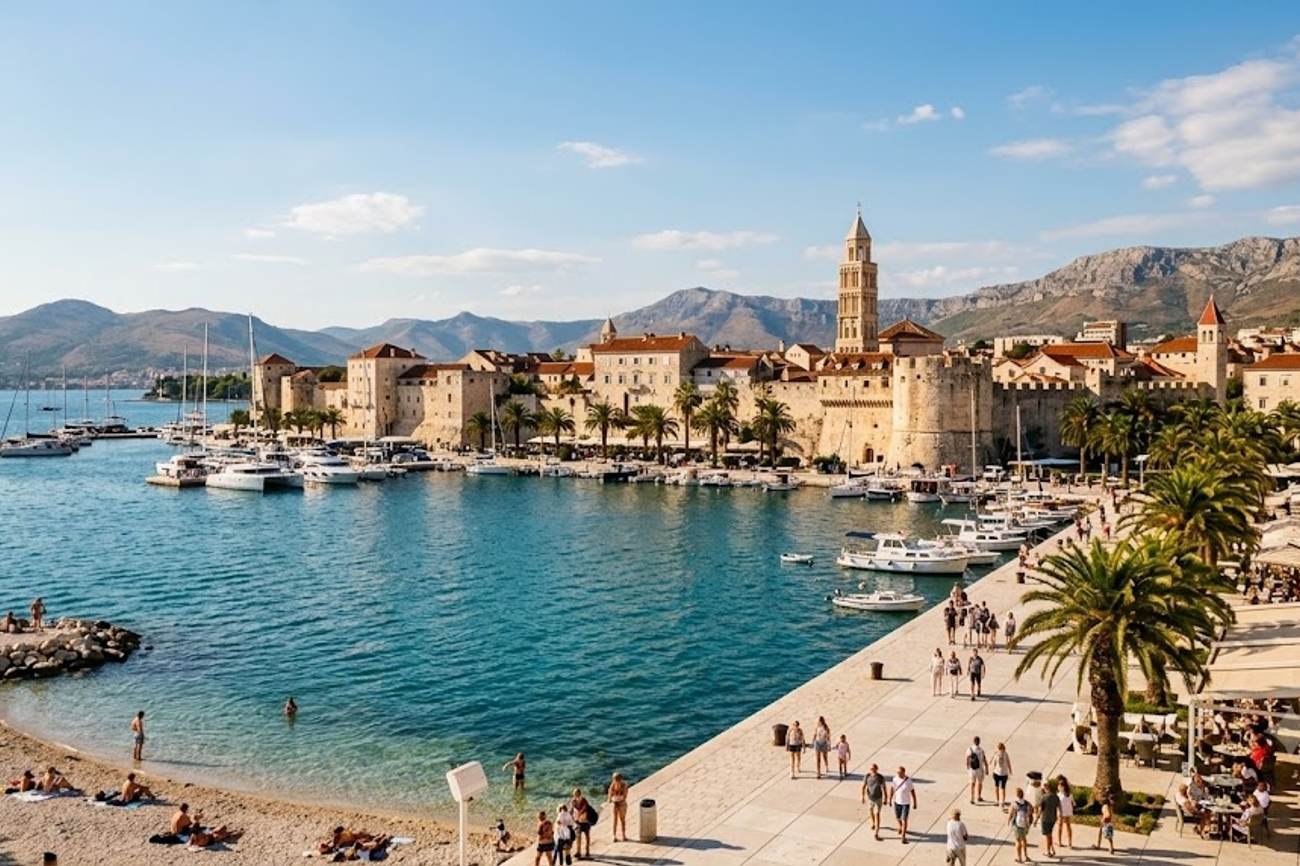
Image generated by AI
[Split, September 2024] — The city of Split is positioning itself as a primary European autumn hub, leveraging a combination of 25°C air temperatures and 23°C sea temperatures to attract travelers fleeing the peak summer crowds.
The strategic shift toward September tourism targets visitors from major hubs, including London—where flight times average approximately two and a half hours—seeking a Mediterranean climate without the congestion of July and August. The city is promoting its dual identity as both a coastal resort and a living museum, centered on a Roman architectural complex that dates back over 1,700 years.
The Shift to Shoulder-Season Tourism
The transition to autumn travel in Split is driven by a desire to mitigate the "overtourism" often associated with the Adriatic coast during mid-summer. By highlighting the stability of the Mediterranean climate in September, local tourism interests are aiming to extend the revenue window for hospitality and service sectors.
The primary draw is the atmospheric change; as the intense summer heat softens, the city becomes more navigable for pedestrians and historians. This shift allows for a slower pace of exploration through the urban center and along the coastline, making the destination more attractive to luxury travelers and cultural tourists who avoid the peak-season volatility.
Markets and Destinations Impacted
The current push for autumn travel specifically impacts the following sectors and visitor demographics:
- UK Market: Travelers from London are identified as a key demographic due to the short 2.5-hour transit time.
- Coastal Infrastructure: High-capacity areas like Bacvice Beach, which can accommodate thousands of visitors, are seeing a transition from peak-capacity crowds to a more relaxed seasonal flow.
- Cultural Tourism: The Diocletian’s Palace complex, consisting of roughly 220 buildings, is seeing a shift in visitor patterns from rapid sightseeing to deeper, more immersive exploration.
- Residential Integration: The approximately 3,000 residents living within the palace walls experience a reduction in tourist density, altering the daily operational flow of local businesses and cafés.
Practical Traveler Advisory and Strategic Insights
For those booking travel to the eastern Adriatic coast right now, the "September Shift" translates into several practical advantages and changes in the travel experience:
1. Climate Stability Unlike Northern Europe, where September can be unpredictable, Split maintains a consistent warmth. With sea temperatures holding at 23°C, swimming remains viable. Travelers do not need to pivot to indoor activities but can maintain a beach-centric itinerary.
2. Access to Heritage Sites The most significant impact is the accessibility of UNESCO World Heritage sites. Diocletian’s Palace, which often becomes congested in August, offers shorter queues and more space for photography and guided tours. The "living" nature of the palace—where shops and homes exist inside Roman walls—is more apparent when the crowds thin.
3. Logistics and Pricing While not explicitly stated as a discount period, the move away from peak summer typically correlates with increased availability in boutique hotels and rentals within the city center. The shorter flight duration from Western European capitals makes Split a viable option for "long weekend" escapes rather than just two-week vacations.
4. Pop-Culture Tourism Fans of the series Game of Thrones can visit the filming locations used in the fourth season. In September, these specific spots are less crowded, allowing for a more authentic experience of the architecture without the interference of massive tour groups.
The Living History of the Adriatic
The centerpiece of Split's autumn appeal is the retirement residence of the Roman Emperor Diocletian, constructed at the start of the fourth century. This is not a cordoned-off archaeological site but a functional urban neighborhood.
Travelers are encouraged to navigate the narrow stone streets and hidden courtyards that integrate ancient Roman masonry with modern Mediterranean commerce. This integration of 1,700 years of history into a working city provides a unique value proposition compared to the static museums found in other European capitals.
For those coordinating their visit, the Croatian National Tourist Board provides updated guidelines on regional travel. Additionally, passengers arriving via Split Airport (SPU) will find that the transition to autumn usually results in smoother arrivals and departures compared to the chaotic peak of August.
FAQ: Split Autumn Travel 2024
What is the best temperature for swimming in Split in September? The sea temperature typically remains around 23°C, which is considered comfortable for swimming and water sports, avoiding the sharp temperature drops seen in other parts of Europe.
How long is the flight from London to Split? The flight duration is approximately two and a half hours, making it an accessible destination for short-haul European travelers.
Is Diocletian’s Palace open to the public in autumn? Yes. The palace is a living part of the city and remains open year-round, featuring a mix of residential homes, shops, and historical monuments.
Are the beaches still crowded in September? While beaches like Bacvice remain popular, they are significantly less crowded than during the peak summer months, offering a more relaxed atmosphere.
Split remains the premier choice for those seeking Roman ruins and Adriatic warmth without the summer crush.
Related Travel Guides
This article is for informational purposes. Flight routes, passenger regulations, visa rules, and transit advisories are subject to change by airlines and aviation authorities. Readers are advised to verify schedules and travel documentation with relevant carriers and border agencies before departure.
Related Stories
The Best Things to Do in Vero Beach with Family: A Local Parent & Traveler's Guide

Phuket Luxury Tourism Surge 2026: High-Net-Worth Arrivals and New Aviation Routes