
New Zealand Operators Face Hurdles in Sustainable Tourism Transition
New Zealand tourism operators are embracing green initiatives but face hurdles due to complex certifications, resource limits, and recycling logistics.
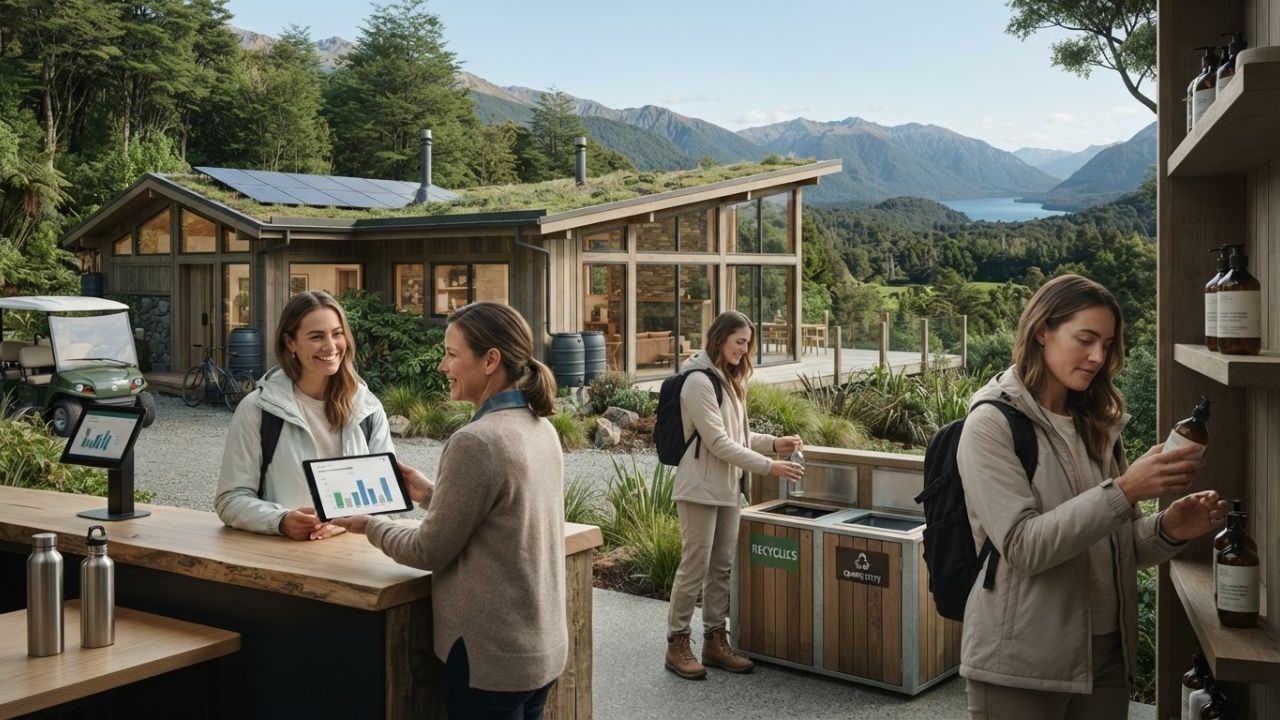
Image generated by AI
While committing to environmental goals, New Zealand tourism operators are facing significant hurdles due to complex green standards, high certification costs, and seasonal recycling bottlenecks.
The Core Transit Update
Green travel networks and local hospitality operators are undergoing an operational transition in New Zealand. Research into sustainable tourism practices shows that while businesses are eager to reduce their environmental footprint, they face challenges including confusing standards (carbon reduction versus regenerative tourism) and high administrative compliance costs.
To simplify the process, many operators are prioritizing digital check-ins and supply chain partnerships to eliminate single-use plastics, working with regional transport boards to establish eco-friendly passenger transfer routes from primary airports.
Sustainability Transition & Green Gateways
Shifting toward sustainable operations requires analyzing the stages of environmental adoption alongside local travel corridors. The following tables outline New Zealand's tourism transition stages and green gateways.
| Transition Stage | Primary Objective of Operator | Actionable Operational Steps | Key Industry Collaborative Goal |
|---|---|---|---|
| 1. Exploration | Recognize & evaluate impact | Track energy, water & waste baselines | Review supplier sustainability claims |
| 2. Integration | Embed practices in operations | Launch digital booking & paperless checks | Minimize single-use materials internally |
| 3. Collaboration | Influence the broader industry | Form joint supply chain agreements | Standardize regional recycling & waste systems |
Stages of sustainability adoption for New Zealand tourism operators.
| Regional Airport Gateway | Main Eco-Tourism Activity | Recommended Green Transit Route | Strategic Operator Action |
|---|---|---|---|
| Auckland (AKL) | Urban heritage & harbor conservation | Regional passenger rail / electric bus | Partner with certified local transport |
| Queenstown (ZQN) | Alpine trekking & conservation | Electric car rental / coach shuttles | Provide digital check-ins and ticketing |
| Rotorua (ROT) | Geothermal wellness & cultural sites | Shared tourist minivans | Engage in local water-monitoring programs |
New Zealand green transit corridors and tourist gateways.
Traveler Logistics Guide
From a ground-level perspective, the best way to navigate this is to support operators who utilize paperless booking, electronic ticketing, and refillable amenities, as supporting these easily digitized sustainability steps directly reduces operational waste during high-volume passenger seasons. Checking certified eco-labels is recommended.
To support sustainable travel in New Zealand:
- Avoid Paper Check-ins: Download mobile boarding passes and hotel confirmations. Digital check-in reduces paper waste and speeds up airport terminal processing.
- Observe Recycling Rules: Waste management systems differ across regions (e.g., Auckland vs Queenstown). Read campground and hotel recycling labels to separate plastics correctly.
- Select Certified Operators: Look for recognized environmental credentials (such as Qualmark gold ratings) when booking activities, ensuring the operator adheres to verified environmental practices.
- Support Local Sourcing: Dine at restaurants that source ingredients from regional farms, as local supply chains significantly cut transport-related carbon emissions.
Infrastructure Impact Assessment
The transition to sustainable tourism highlights the link between local business capability and national environmental targets.
By helping smaller operators access affordable tools, simplify compliance, and coordinate recycling logistics, regional tourism boards and transport departments protect New Zealand's wilderness areas while ensuring small businesses remain commercially viable.
Related Travel Guides
New Zealand Introduces Flexible Runway Rules for Regional Airports
Shravani Mela 2026 Deoghar Travel Tips and Logistics Guide
10 Best Travel Tips for Supporting Eco-Conscious Tourism in New Zealand, According to Reddit
Disclaimer
This article is for informational and educational purposes only. It does not constitute legal, financial, or professional advice. While we strive to provide accurate and up-to-date information, travel policies, regulations, and conditions change rapidly. Always verify information with official sources before making travel decisions. Nomad Lawyer makes no representations about the accuracy, reliability, completeness, or suitability of the information provided. Readers should consult qualified professionals for advice specific to their circumstances. The views expressed in this article are those of the author and do not necessarily reflect the views of Nomad Lawyer.