
Travel Disney Dream Celebrates 15-Year Caribbean Dominance with Expanded Sailings
Disney Dream marks 15 years of operations in 2026 with expanded Caribbean sailings from Miami. The cruise ship adds capacity to meet post-pandemic family travel demand.

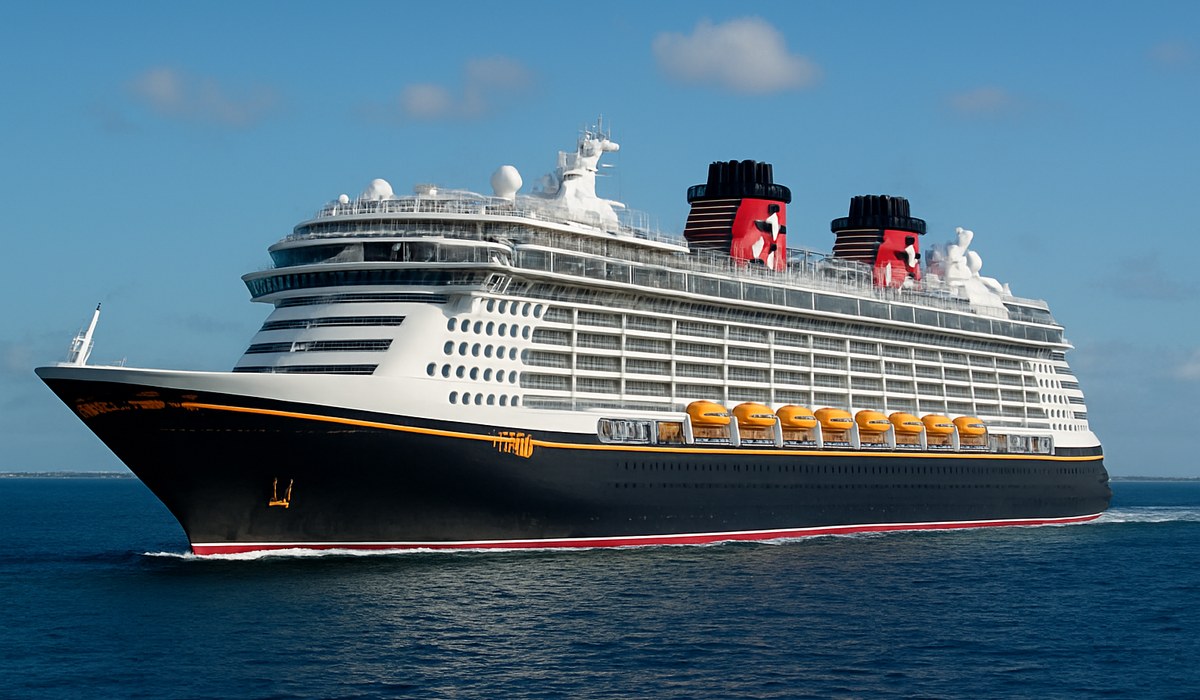
Image generated by AI
**> Quick Summary
- Disney Dream launches expanded Caribbean sailing schedule to commemorate its 15-year operational milestone
- Miami homeport sees increased ship capacity aligned with broader cruise industry recovery metrics
- Family-focused itineraries now feature enhanced health compliance standards and shore excursion options
- Booking demand signals strong market appetite for premium cruise experiences in post-pandemic travel landscape**
After 15 years of anchoring Disney's Caribbean cruise strategy, the Dream-class flagship is doubling down on its Miami operations. The cruise ship's anniversary moment arrives as the broader industry rebounds. This expansion signals confidence in sustained family travel demand.
Disney Dream launched its maiden voyage in 2011. Today, it remains one of the most recognizable vessels in the Caribbean market. The upcoming sailing schedule reflects both celebration and strategic market positioning—a distinction that matters for understanding where cruise travel is headed.
The expansion announcement comes as operators across the sector reassess capacity and routes. Disney Cruise Line's commitment to increased sailings from the Port of Miami underscores the company's faith in destination recovery and traveler appetite.
Disney Dream Marks 15 Years: What's Changed in Cruise Innovation
Two decades ago, families faced limited options for cruise experiences designed specifically around children and multigenerational travelers. Disney Dream entered that market with a different operational philosophy. The ship prioritized entertainment infrastructure, character integration, and families-first scheduling from day one.
Fifteen years later, the maritime cruise environment looks fundamentally different.
Safety protocols have transformed. Enhanced ventilation systems, touchless interfaces, and real-time sanitation reporting are now baseline expectations rather than differentiators. The CDC cruise health protocols established during industry-wide shutdowns have become operational standards that shape how modern cruise ships manage passenger flows and onboard resources.
Technology adoption accelerated dramatically. Onboard connectivity has evolved from premium add-on to expected amenity. Mobile applications now manage dining reservations, show bookings, and cabin requests—reducing physical touchpoints while streamlining guest experience.
Itinerary design has expanded too. Caribbean routes from Miami have diversified beyond traditional stops. Extended sailings now incorporate specialty ports and cultural experiences that appeal to educated leisure travelers seeking authentic destination engagement rather than purely resort-style port days.
Disney Dream's operational maturity over 15 years means the vessel carries institutional knowledge about family cruise dynamics that newer competitors cannot replicate overnight. Crew training protocols. Entertainment rotation. Dining logistics for passengers with dietary restrictions. These operational efficiencies compound over years of continuous operation.
Expanded Caribbean Sailings: Capacity Increases and Port Impact
The Port of Miami operates as the world's largest cruise port by passenger volume. Disney Dream's expanded sailing schedule directly impacts this critical infrastructure hub. Increased frequency means more weekly departures, which translates to enhanced berth utilization and Port of Miami authority revenue projections.
Capacity mathematics deserve careful attention here. Disney Dream carries approximately 4,000 passengers per sailing. When an operator increases frequency—moving from, say, alternate-week deployments to consecutive weekly sailings—the cumulative passenger volume grows substantially. Over a calendar year, expanded scheduling can add tens of thousands of passenger movements through a single port.
This expansion occurs within a precise regulatory context. The Cruise Lines International Association represents the major operators navigating recovery and growth simultaneously. Industry-wide passenger volumes remain below pre-2020 peaks, yet booking trends show accelerating demand recovery. Disney's decision to expand reflects confidence that demand will continue normalizing through 2026 and beyond.
The competitive dynamics matter too. Other major cruise operators sailing from Miami include Royal Caribbean and Carnival Corporation brands. By expanding Dream-class capacity, Disney Cruise Line signals commitment to Caribbean dominance while maintaining pricing power—a strategy that depends on sustained demand and limited competitor capacity expansion in the same market segment.
Port infrastructure investments follow shipping patterns. Expanded sailings require enhanced provisioning facilities, parking capacity, and terminal technology. The Port of Miami has undergone significant modernization in recent years, specifically positioning itself to accommodate the mega-ships and increased frequency that define 2026's cruise landscape.
Family-Focused Experience: How Disney Sets Industry Standards
What distinguishes Disney Dream from comparable cruise vessels built in the same era? Intentional design for family dynamics drives most operational choices.
Entertainment programming runs continuously. While many cruise ships offer nightly stage shows and daytime activities, Disney Dream maintains programming density that keeps children, teens, and adults simultaneously engaged—reducing the stress that can define family vacation dynamics. The ship maintains dedicated spaces for different age groups, allowing parents autonomy while ensuring comprehensive supervision options.
Character integration permeates the entire experience. Passengers encounter Disney characters during dining, shore excursions, and staged entertainment—creating immersion that younger travelers find compelling and that encourages repeat bookings among multi-year cruisers.
Dining experiences reflect family-first thinking. Traditional restaurants coexist with character dining venues and specialty eateries. The ship accommodates dietary restrictions, allergies, and cultural food preferences with more flexibility than standard cruise ship operations typically manage.
Health and safety enhancements implemented since 2020 actually improved family-centered operations. Enhanced sanitation protocols mean families book with greater confidence. Increased transparency about onboard health measures addresses parental concerns that historically deterred bookings among families with young children or immunocompromised relatives.
The Caribbean destinations selected for Disney Dream sailings lean toward family-accessible ports. Castaway Cay, Disney's private island, appears on most itineraries—providing branded shore experiences that extend onboard atmosphere to off-ship activities. This vertical integration of destination experience is something few competitors replicate at comparable scale.
Pricing reflects this premium positioning. Disney Cruise Line tariffs run substantially higher than industry averages. Yet booking data demonstrates sustained demand—suggesting families prioritize the Disney brand equity and family-specific operational design over lowest-price alternatives.
The Broader Cruise Industry Recovery Story
Disney Dream's 15-year operation and current expansion sit within a larger industry narrative worth understanding.
The cruise sector faced existential challenges during 2020-2021. Extended operational shutdowns, canceled sailings, and refund obligations threatened operator viability. Recovery has been uneven—some operators adapted faster than others. Smaller, regional cruise lines faced harder choices than major branded operators with diverse revenue streams and financial resilience.
Current market conditions show accelerating normalization. Passenger bookings now exceed pre-pandemic levels for many sailings. Pricing power has returned—operators can offer competitive capacity without significant discount erosion. This demand recovery encourages capital deployment in expanded operations rather than fleet reduction or route consolidation.
However, recovery remains regionally uneven. Mediterranean and European cruising recovered faster than some Asian or South American markets. Caribbean sailings from US homeports experienced particularly strong rebound—likely due to geographic proximity, visa convenience, and established domestic traveler familiarity with Caribbean destinations.
International cruise destination expansion continues parallel to this North American recovery. As our colleagues documented in their analysis of Germany Market Strategy Drives Crete's Luxury Hospitality Expansion, luxury travel markets globally are seeing investment in cruise-complementary shore-side infrastructure. The connection is direct: expanded cruise capacity into a destination requires corresponding hotel capacity, restaurant infrastructure, and activity facilities ashore.
Ground transportation accessibility factors into cruise destination viability too. Ports with robust public transit systems see higher passenger spending and longer shore visits. Recent initiatives like Travel Victoria Unlocks Free Transit: Unlimited Trains, Trams & Buses in 2026 demonstrate how port cities worldwide are investing in transit
Disclaimer
This article is for informational and educational purposes only. It does not constitute legal, financial, or professional advice. While we strive to provide accurate and up-to-date information, travel policies, regulations, and conditions change rapidly. Always verify information with official sources before making travel decisions. Nomad Lawyer makes no representations about the accuracy, reliability, completeness, or suitability of the information provided. Readers should consult qualified professionals for advice specific to their circumstances. The views expressed in this article are those of the author and do not necessarily reflect the views of Nomad Lawyer.
Preeti Gunjan
Contributor & Community Manager
A passionate traveller and community builder. Preeti helps grow the Nomad Lawyer community, fostering engagement and bringing the reader experience to life.
Learn more about our team →