
New York City West Nile Virus Cases Climb Sharply as Record Mosquito Activity Shadows Autumn Tourism
New York City West Nile Virus Cases Climb Sharply as Record Mosquito Activity Shadows Autumn Tourism

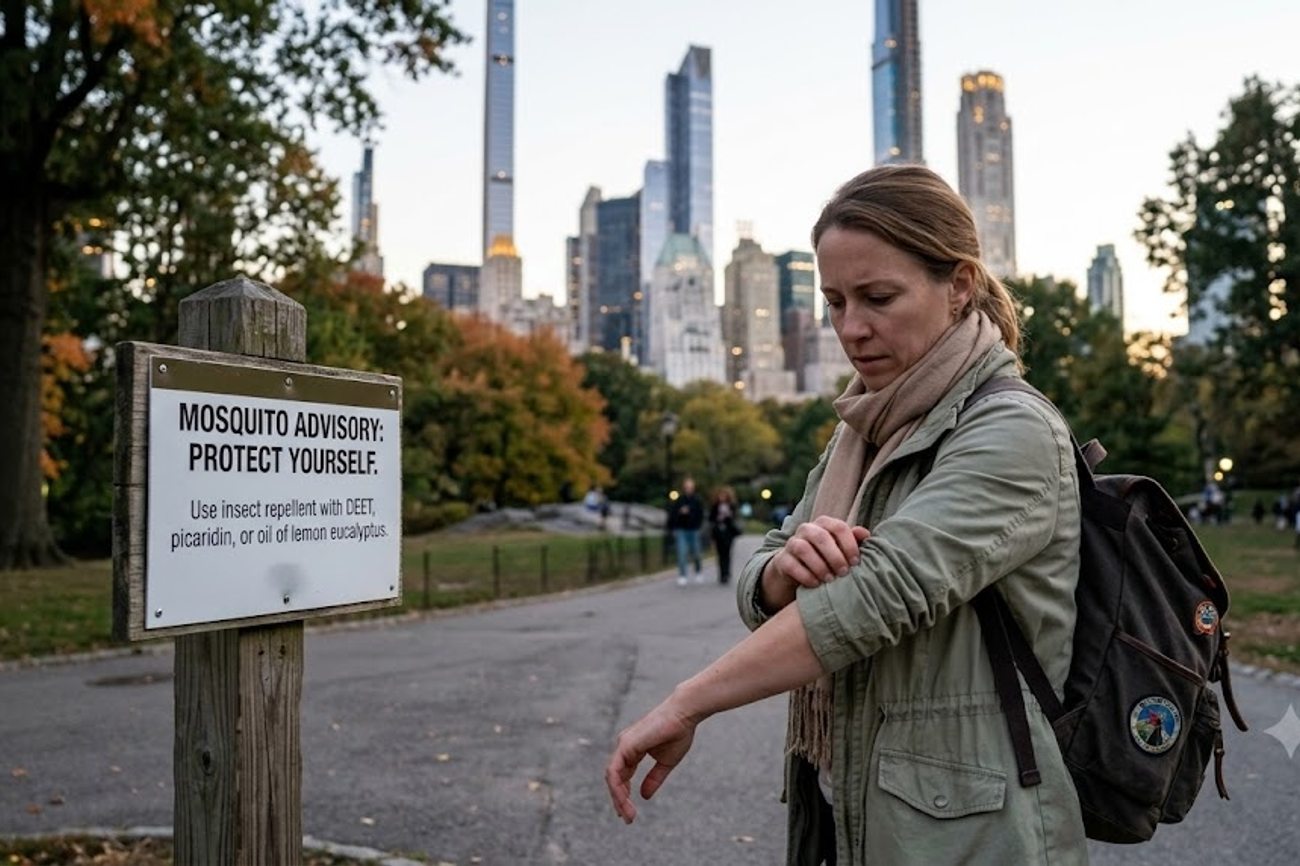
Image generated by AI
By September 18, 2026, New York City had already recorded 30 human cases of West Nile virus, completely eclipsing the 18 cases reported during the entire 2025 calendar year. This surge coincides with a record-breaking spike in mosquito activity, with over 1,700 positive mosquito samples identified across the city, signaling a shift in the seasonal health risks for those visiting the metropolis during the autumn months.
The Autumn Health Shift in the Five Boroughs
For those of us who have spent years navigating New York, we know that September and October are often the best months to visit. The humidity of August breaks, the crowds at the museums thin slightly, and the city's outdoor culture reaches its peak. However, 2026 has introduced a complicating factor. The city is seeing a 66.7% increase in human West Nile cases compared to the full-year 2025 total.
The timeline of this outbreak is particularly noteworthy. While the first human case didn't surface until August, the virus was already circulating heavily among the insect population. By August 19, officials had already flagged more than 1,000 positive mosquito pools. This lag between insect detection and human diagnosis is a pattern we see often in urban epidemiology, but the scale this year is unprecedented.
The geographical spread is absolute. Every single borough has reported infections. Brooklyn currently leads the count with 11 cases, followed by Queens and Staten Island with seven each, the Bronx with three, and Manhattan with two. While it might be tempting to think Manhattan is "safer" due to its lower case count of two, the local health data warns against this. Case numbers are tied to where a patient lives, not necessarily where they were bitten. A Brooklyn resident could have been infected while visiting a park in Upper Manhattan or a waterfront in Queens.
What Makes the 2026 Surge Different
The most alarming aspect of the current data isn't just the volume of cases, but the severity of those being reported. Out of the 30 confirmed infections, 24 involve neuroinvasive disease—conditions such as meningitis, encephalitis, or acute flaccid paralysis. This means 80% of the reported cases this year are severe.
To put this in perspective, the 2025 data showed 16 neuroinvasive infections and two cases of West Nile fever. In 2026, the number of West Nile fever cases has surged by 200%, rising to six.
However, it is important to apply a local lens to these statistics to avoid unnecessary panic. The Centers for Disease Control and Prevention (CDC) notes that the vast majority of people infected with West Nile virus—roughly 80%—show no symptoms at all. Another 20% experience a mild illness. Severe neuroinvasive disease actually affects fewer than 1% of all infected individuals. The reason the 2026 reported numbers look so skewed toward severe cases is simply that people with neurological symptoms are the ones who end up in the hospital and get tested. Those with mild symptoms or no symptoms generally stay home, leaving their infections uncounted in the official tally.
Visitor Insider Tips
Navigating New York in the autumn requires a different strategy than a mid-summer trip. If you are planning a visit during the peak mosquito window of August through October, keep these local nuances in mind:
Timing Your Outings: Mosquitoes in the city are most aggressive during the "golden hours"—dawn and dusk. If you are planning a sunrise walk across the Brooklyn Bridge or a sunset dinner on a rooftop in Long Island City, this is when you are most vulnerable. Apply repellent specifically before these windows.
Neighborhood Selection: While the virus is citywide, your exposure risk is higher near standing water. If you are basing yourself in an Airbnb or hotel, check that window screens are intact. In older buildings in the Bronx or parts of Brooklyn, screens are often damaged or missing. Stick to air conditioning or keep windows shut during the early morning and late evening.
Dining and Leisure: New York's outdoor dining culture is legendary, but open-air seating on the sidewalk can leave you exposed. When choosing a restaurant for an autumn evening, look for establishments with screened-in patios or those located in higher-traffic, windier corridors where mosquitoes are less likely to hover.
Park Etiquette: Visiting the UNESCO World Heritage sites or the massive green spaces like Central Park and Prospect Park is a must. However, avoid lounging in deep grass or near stagnant ponds during the dusk hours. Stick to the paved paths and wear long sleeves if you are venturing into the more wooded areas of the city's periphery.
Cultural and Environmental Context
The current spike in West Nile activity is not a random occurrence; it is a direct reflection of the changing environmental pressures on the city. Vector-borne disease specialists in New York have pointed to a specific combination of warmer-than-average temperatures, increased rainfall, and high humidity. These conditions act as an accelerant, speeding up both the development of the mosquito population and the rate at which the virus replicates within the insects.
This creates a tension between the city's desire to promote its "Open Streets" and outdoor tourism initiatives and the need for aggressive public health interventions. The city has maintained a rigorous monitoring program since the virus first arrived in 1999, but the 2026 data shows that traditional control methods are struggling to keep pace with environmental shifts.
For the local community, this is more than a travel warning; it is a matter of urban management. The increase in positive mosquito samples—up more than 23% from the 1,378 samples in 2025 to over 1,700 in 2026—puts immense pressure on municipal sanitation and health departments to clear standing water and manage drainage systems across all five boroughs.
FAQ: Visiting New York City 2026
What is the best time to visit to avoid mosquito risk? While autumn is beautiful, mosquito activity peaks in August and September. To minimize risk, visit during the cooler months of late October through March, or ensure you use EPA-approved repellents if visiting during the peak window.
Do I need a special vaccination for West Nile virus? No, there is currently no human vaccine for West Nile virus. Protection relies entirely on avoiding bites through the use of repellents, wearing protective clothing, and ensuring indoor spaces have functioning screens.
How do I get to the boroughs with the highest case counts? Brooklyn, which has the most cases (11), is easily accessible via the subway (A, C, G, Q, N, R trains) or the NYC Ferry. Use the MTA official site to plan your route and remember to use repellent when visiting waterfront areas.
Is it safe for solo travelers to visit New York during this surge? Yes, the city remains safe. The risk of West Nile is statistically low for the average person. Following basic preventative measures—like avoiding dawn/dusk exposure in parks—is sufficient for most travelers to enjoy the city safely.
New York is always a city of extremes, and this year, the air is just a bit more electric—and a bit more bitey.
Related Travel Guides
Disclaimer
This article is for informational and educational purposes only. It does not constitute legal, financial, or professional advice. While we strive to provide accurate and up-to-date information, travel policies, regulations, and conditions change rapidly. Always verify information with official sources before making travel decisions. Nomad Lawyer makes no representations about the accuracy, reliability, completeness, or suitability of the information provided. Readers should consult qualified professionals for advice specific to their circumstances. The views expressed in this article are those of the author and do not necessarily reflect the views of Nomad Lawyer.
Naina Thakur
Contributor & Travel Specialist
Travel enthusiast and legal writer covering visa regulations, responsible tourism, and cultural journeys across global destinations.
Learn more about our team →