
Canada Raises Student Living Cost Requirement
Canada Raises Student Living Cost Requirement

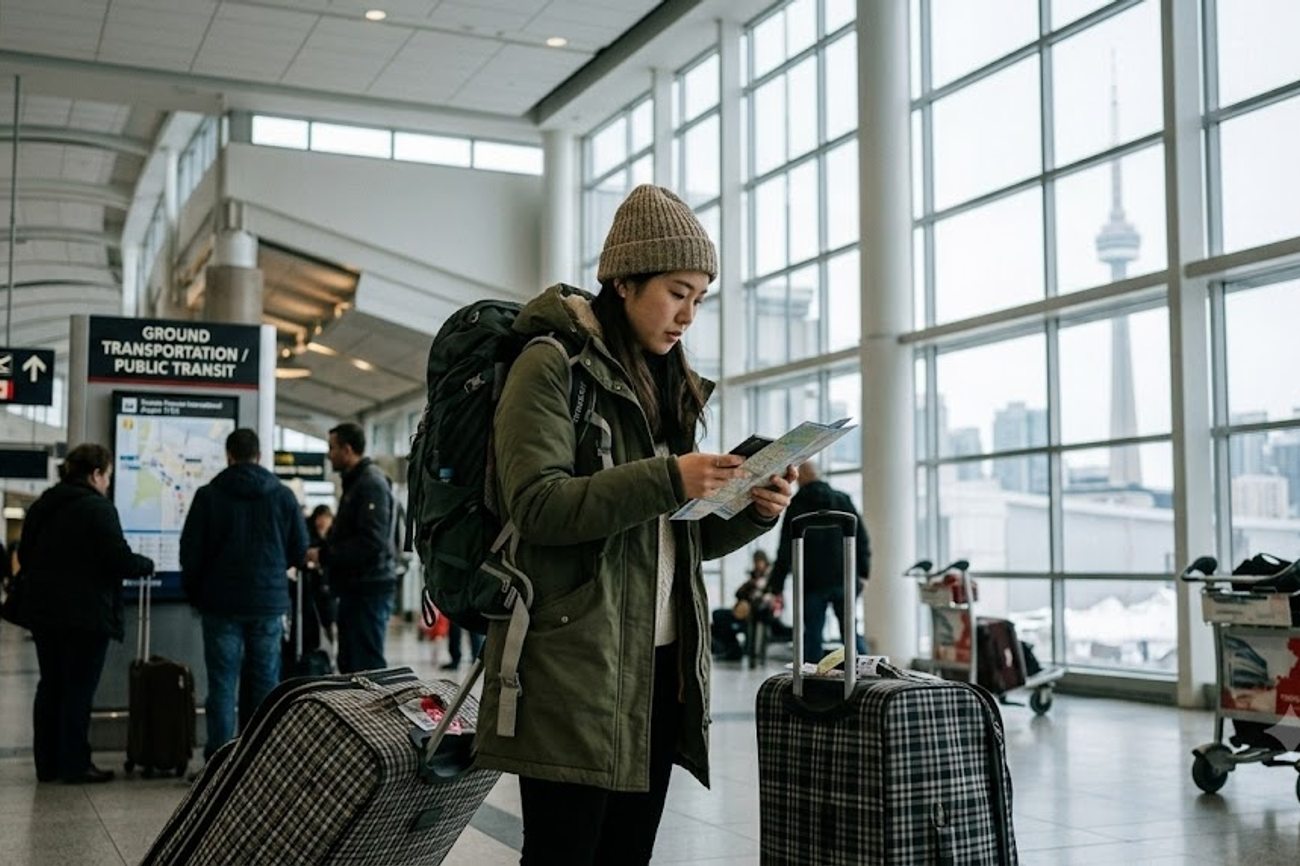
Image generated by AI
The financial entry barrier for international students entering Canada has climbed from CAD 22,895 to CAD 23,448 for single applicants—a targeted increase that signals a tightening of fiscal requirements for the 2026-27 academic cycle. This upward adjustment, effective September 1, 2026, reflects a broader systemic shift by Immigration, Refugees and Citizenship Canada (IRCC) to align student liquidity with the rising cost of living across major Canadian urban hubs.
The Cost of Entry in Numbers: 2026 Fiscal Thresholds
The updated mandates from the IRCC establish a new baseline for financial solvency that applicants must prove before a study permit is granted. These figures are strictly for living expenses and do not encompass tuition fees or the cost of round-trip airfare.
For a single applicant, the requirement has shifted to CAD 23,448. However, the data shows a steeper climb for those traveling with dependents. For a family of two, the threshold is now CAD 29,192. For a group of three, the requirement jumps to CAD 35,888, and for a family of four, the proof of funds must reach CAD 43,572.
These figures represent the "minimum" viable capital. When integrated with tuition—which varies wildly by institution—and the cost of international flights, the total liquid capital required for a student to successfully migrate to Canada in 2026 will likely be the highest in the last five years. This trend mirrors global shifts tracked by the World Tourism Organization (UNWTO), where the cost of "educational tourism" is increasingly influenced by hyper-inflation in primary destination cities.
Comparative Fiscal Analysis: 2025 vs. 2026
The shift in requirements is not merely a nominal increase but a strategic adjustment to the economic realities of Canada's largest educational gateways. The following table breaks down the year-over-year shift in required living funds for various family sizes.
| Applicant Profile | Sept 2025 Requirement | Sept 2026 Requirement | Net Increase (CAD) | Percentage Growth |
|---|---|---|---|---|
| Single Applicant | CAD 22,895 | CAD 23,448 | + CAD 553 | 2.41% |
| Family of Two | Not Specified* | CAD 29,192 | N/A | N/A |
| Family of Three | Not Specified* | CAD 35,888 | N/A | N/A |
| Family of Four | Not Specified* | CAD 43,572 | N/A | N/A |
*Source data emphasizes the 2026 thresholds for family units as the primary new benchmark for the upcoming autumn arrival window.
When comparing these figures to other G7 nations, Canada's approach of annual adjustments suggests a move toward "dynamic pricing" for immigration. By tying permit approvals to current inflation data, Canada is effectively filtering for higher-net-worth students who can sustain the costs of living in high-demand cities like Toronto and Vancouver. This is a critical shift in the competitive landscape of international education, as students now weigh these mandatory liquidity requirements against similar costs in the US or UK.
Practical Traveler Advisory and Strategic Insights
For the individual traveler and the accompanying family, these data points translate into specific booking and financial planning imperatives. The increase in the "proof of funds" requirement is a leading indicator that local costs—specifically short-term rentals and transport—will remain elevated.
If you are planning an arrival for the autumn 2026 term, the following actions are data-driven necessities:
- Liquidity Buffering: Do not aim for the minimum CAD 23,448. Because this figure excludes tuition and flights, students should budget an additional 15-20% above the IRCC minimum to account for the "arrival shock"—the high cost of initial airport transfers, temporary hotel stays, and security deposits for rentals in cities like Toronto and Vancouver.
- Family Logistics: For families of four requiring CAD 43,572 in living funds alone, the logistical cost of travel increases exponentially. Booking multi-person accommodation and flights at least 6 months in advance is now essential to prevent the "hidden costs" of travel from eroding the funds required for the permit application.
- Regional Budgeting: Travelers should note that while the IRCC sets a national standard (outside Quebec), the actual cost of living in Vancouver or Toronto will likely exceed the CAD 23,448 threshold. Students heading to these hubs should utilize Statista to compare regional cost-of-living indices before selecting their institution.
Forward Projection: The Student-Tourism Synergy
The data suggests that international students are no longer just "temporary residents" but are becoming a primary driver of domestic tourism within Canada. The student travel network creates a secondary economic ripple:
First, there is the "Arrival Phase," which drives immediate demand for airport services and short-term hospitality in hubs like Halifax, Winnipeg, and Edmonton. Second, there is the "Academic Break Phase," where students transition into domestic tourists. Data indicates a strong correlation between student hubs and regional tourism growth; for example, students in Calgary fuel the hospitality sectors of Banff and Canmore, while those in Vancouver drive traffic to Whistler and Victoria.
Looking toward 2027, we can expect the IRCC to continue this upward trajectory of financial requirements. This will likely lead to a "concentration effect," where students gravitate toward smaller, more affordable cities like Winnipeg or Halifax to make their CAD 23,448 stretch further, potentially shifting the domestic tourism maps of the Prairies and Atlantic Canada. Furthermore, the "Family Visit" trend—where relatives travel for graduations—will continue to increase demand for mid-to-high-tier hotels in urban centers, creating a permanent link between the study permit's financial thresholds and the broader tourism economy.
FAQ: Canada Student Financial Requirements 2026
Will these fund requirements increase every year? Yes. The IRCC updates living-expense requirements annually to reflect inflation and the current cost of living. Travelers should expect a similar upward adjustment for the 2027 cycle.
Does the CAD 23,448 include my college tuition? No. The figure is strictly for living expenses. Tuition fees and round-trip transportation costs are separate and must be proven as additional funds during the study permit application process.
Which cities are most affected by these costs? While the requirement is national, the impact is highest in Toronto and Vancouver due to their higher rental markets. Students in Calgary, Edmonton, or Halifax may find the minimum requirement more aligned with actual costs.
Can I use a loan to meet the proof of funds? Generally, applicants must show available liquid assets or guaranteed sponsorships. Check the latest IATA or government guidelines regarding the types of financial documentation accepted for 2026 permits.
The cost of education is now inextricably linked to the cost of migration, turning the study permit into a financial barometer for the Canadian travel economy.
Related Travel Guides
Disclaimer
This article is for informational and educational purposes only. It does not constitute legal, financial, or professional advice. While we strive to provide accurate and up-to-date information, travel policies, regulations, and conditions change rapidly. Always verify information with official sources before making travel decisions. Nomad Lawyer makes no representations about the accuracy, reliability, completeness, or suitability of the information provided. Readers should consult qualified professionals for advice specific to their circumstances. The views expressed in this article are those of the author and do not necessarily reflect the views of Nomad Lawyer.
Preeti Gunjan
Contributor & Community Manager
A passionate traveller and community builder. Preeti helps grow the Nomad Lawyer community, fostering engagement and bringing the reader experience to life.
Learn more about our team →