
Neuschwanstein Castle Re-shapes Alpine Travel and Heritage Conservation
Bavaria's Neuschwanstein Castle implements high-tech climate controls and timed ticketing to balance 10,000 daily visitors with historic preservation.

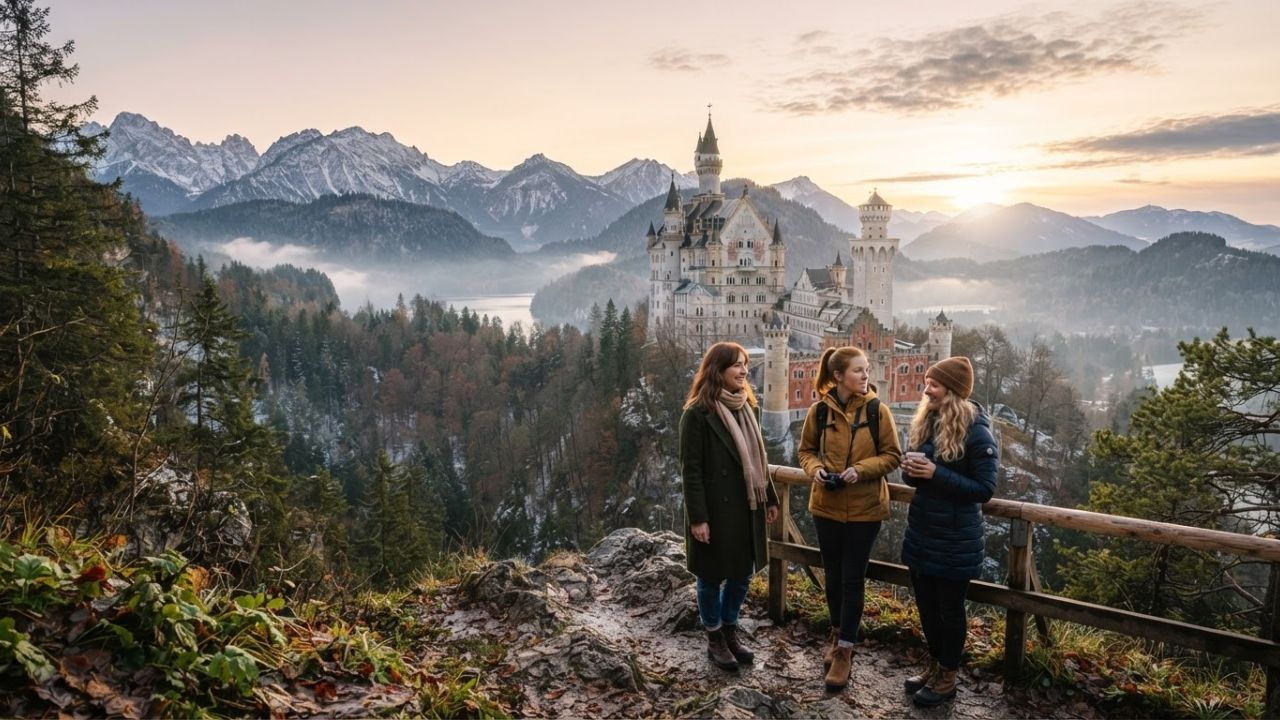
Image generated by AI
Neuschwanstein Castle manages up to 10,000 daily visitors using automated microclimate air-filtration systems and mandatory pre-booked timed entries, providing a model for global alpine heritage preservation.
The Local Trend Revealed: Structured Transit and Ticketing in the Alps
Alpine travel is recording a transition from spontaneous visits to highly structured, synchronized itineraries driven by digital reservation portals and conservation needs. Bavaria’s Neuschwanstein Castle serves as a key case study for this trend. To protect its fragile interior and manage overcrowding, the landmark enforces strict daily caps, hosting up to 10,000 daily visitors via timed entry slots, mandatory transit shuttles, and automated crowd monitoring. Unplanned arrivals often lead to disappointment, as tickets sell out weeks in advance on the Hohenschwangau central online portal.
The operational parameters of the castle require careful travel planning. Initial construction began under King Ludwig II in 1869 and was completed in 1892, long after his death. Although the monumental palace contains over 200 rooms, only 15 interior spaces were fully finished and inhabited. Accessing the castle requires navigating transit routes from Munich to Schwangau and Füssen. Upon reaching the valley, vehicles are directed into paid parking areas, after which visitors must complete a 20-to-40-minute uphill hike or purchase passage on electric shuttle buses or horse-drawn carriages. To spread foot traffic, planners direct visitors to neighboring highlights, including hiking trails on Tegelberg Mountain, boating on Alpsee Lake, and woodcarving studios in Oberammergau.
Neuschwanstein Castle Visitor Parameters and Logistics
| Visitor Logistics / Phase | Operational Specifications | Location & Venues | Core Strategic Objective |
|---|---|---|---|
| Daily Visitor Capacity | Timed slots for up to 10,000 guests | Hohenschwangau valley floor | Crowd regulation and wear prevention |
| Castle Construction Timeline | Begun 1869, completed 1892 | Schwangau, Southern Bavaria | Royal sanctuary containing over 200 rooms |
| Finished Royal Chambers | 15 interior spaces fully finished | Upper floors of the castle | Climate-monitored art chambers |
| Uphill Access Route | 20-to-40-minute uphill hike | Main forest path from valley | Electric shuttles & horse-drawn transit |
| Alternative Regional Sites | Tegelberg trails & Alpsee Lake | Füssen and Oberammergau | Spatial distribution of tourist density |
Cultural & Environmental Value: Supporting Active Conservation and Artisan Trades
For the traveler, the real impact of these rigid operational limits is the opportunity to witness active conservation and participate in low-impact heritage travel that supports rural Bavarian communities. By purchasing timed digital permits, using the regional rail connection from Munich, and buying handcrafted woodcarvings directly from local workshops in Oberammergau, visitors prevent structural damage to the castle's delicate murals.
Mapped in coordination with the Bavarian Palace Department (Bayerische Schlösserverwaltung) and regional environmental agencies, these daily quotas fund the multi-million-euro upkeep of the palace's facade and support advanced air-filtration systems. These microclimate systems neutralize visitor-generated humidity and heat, keeping the castle's 19th-century artwork intact while circulating travel capital into family-owned Bavarian eateries and local transport cooperatives.
Destination Specialist Local Insider Tips
To help you explore the Bavarian Alps comfortably and navigate the castle logistics safely, local specialists suggest the following tips:
- Savor Kässpatzen in Füssen: Experience local gastronomy. Try traditional Kässpatzen (hot Bavarian cheese noodles topped with caramelized onions) or freshly baked Brezn (pretzels) at traditional taverns.
- Book Guided Tours Months in Advance: Spontaneous entry is no longer available. Secure your interior guided tour slots online well before departing for Germany.
- Allow Extra Time for the Uphill Ascent: The steep path to the castle gate takes up to 45 minutes on foot. Carry cash if you plan to ride the electric shuttle bus or horse-drawn carriages.
- Target Late Autumn Travel Windows: Visit in late October or November to enjoy quiet trails, colorful alpine foliage, and fewer crowds around the castle gates.
- Hike Past Marienbrücke: Avoid the crowded photo platforms on the bridge. Continue along the trails of Tegelberg Mountain for bird-eye views of the castle, Alpsee Lake, and the mountain valleys.
Long-Term Outlook: Digital Integration and Ecological Balance
The long-term outlook for Bavaria’s cultural tourism relies on balancing strict structural preservation with high-tech visitor management. As automated ticketing networks expand and electric vehicle transits replace conventional traffic, Schwangau will continue to set a global benchmark for sustainable heritage management. By keeping regional communities economically integrated and distributing crowds across secondary alpine lakes and hiking paths, the state demonstrates how historic monuments can thrive alongside modern travel demands.
Related Travel Guides
Disclaimer
This article is for informational and educational purposes only. It does not constitute legal, financial, or professional advice. While we strive to provide accurate and up-to-date information, travel policies, regulations, and conditions change rapidly. Always verify information with official sources before making travel decisions. Nomad Lawyer makes no representations about the accuracy, reliability, completeness, or suitability of the information provided. Readers should consult qualified professionals for advice specific to their circumstances. The views expressed in this article are those of the author and do not necessarily reflect the views of Nomad Lawyer.
Raushan Kumar
Founder & Lead Developer
Full-stack developer with 11+ years of experience and a passionate traveller. Raushan built Nomad Lawyer from the ground up with a vision to create the best travel and law experience on the web.
Learn more about our team →