
Nepal Airlines Grounded Fleet Crisis: Twin Airbus A330 Faults, Autumn Trekking Disruption, and Travel Guide 2026

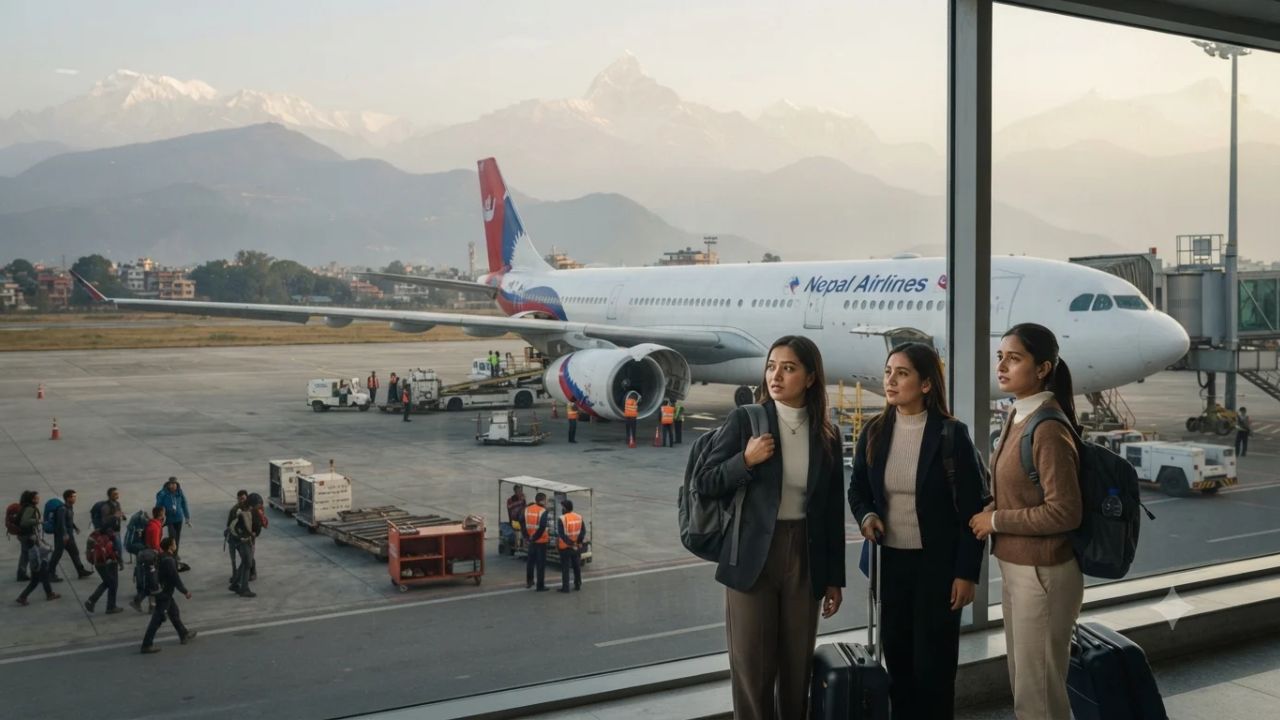
At the precise peak of the autumn Himalayan trekking season and national festival holidays, Nepal Airlines has suffered an unprecedented operational shutdown after both of its long-haul Airbus A330-200 wide-body aircraft were grounded overseas. With one wide-body jet stranded in Japan suffering from complex engine blade damage and the second held in Italy following thrust-reverser malfunctions during final maintenance checks, the flag carrier has been forced to cancel key international rotations across Asia and the Gulf.
The timing of this dual grounding strikes at the heart of Nepal’s tourism economy. September and October represent the most lucrative travel window of the year, driven by crystal-clear Himalayan mountain skies, major autumn cultural celebrations like Dashain, and intense passenger movement linked to the 2026 Asian Games in Japan. For international trekkers, mountaineering expeditions, and diaspora families returning home, navigating the resulting seat shortages requires proactive rebooking strategies and flexible transit planning through Kathmandu.
Twin Stranded Jets: The Anatomy of Nepal's Fleet Bottleneck
The operational paralysis at Nepal Airlines exposes the structural vulnerability of relying on an international wide-body fleet of only two aircraft. Without reserve wide-body airframes to step into scheduled rotations, simultaneous mechanical issues abroad immediately paralyze the carrier's long-haul network.
The first Airbus A330-200 was grounded at Tokyo's Narita International Airport after engineers discovered damage to an engine fan blade responsible for regulating intake airflow and thrust generation. While ground crews replaced the damaged component, subsequent diagnostics revealed that structural stress extended deeper into the assembly than first estimated, keeping the aircraft grounded while waiting for final technical airworthiness clearances.
The second Airbus A330-200 was completing scheduled heavy maintenance at an aerospace facility in Italy. During pre-delivery thrust testing, technicians identified an unexpected malfunction within its thrust-reverser system, blocking its scheduled ferry flight back to Kathmandu. Preliminary financial estimates indicate that repair bills, passenger accommodation, and foreign technical support will exceed hundreds of millions of Nepalese rupees, compounding massive revenue losses during peak booking months.
The grounding has triggered cancellations and seat rationing across flagship routes connecting Kathmandu with Japan, China, Malaysia, Qatar, and the United Arab Emirates. While the airline has prioritized passengers with medical emergencies, elderly travelers, families with young children, and individuals holding expiring employment visas, thousands of leisure travelers have faced canceled bookings. International flight operations can be verified through the Civil Aviation Authority of Nepal.
What Makes Nepal's Autumn Travel Corridor Different
Nepal’s autumn travel window between late September and November is unlike almost any other tourism season in the world. The retreat of the summer monsoon brings dry, stable weather, opening panoramic visibility across the Everest, Annapurna, and Langtang mountain ranges. Thousands of international trekkers converge on Tribhuvan International Airport in Kathmandu to begin high-altitude expeditions.
Simultaneously, the autumn period coincides with Nepal’s largest religious and cultural festivals, including Dashain and Tihar. Hundreds of thousands of Nepali workers, students, and expatriates living in Japan, South Korea, Malaysia, and the Middle East travel home to reunite with their families. This creates intense demand on inbound flights where economy seats routinely sell out months in advance.
When the national carrier loses 100% of its wide-body seat capacity during this period, foreign carriers operating into Kathmandu—including Qatar Airways, Emirates, Singapore Airlines, and Air India—experience immediate demand surges, pushing one-way economy airfares to record highs. Travelers can explore official trekking regulations, permit fees, and regional guides through the Nepal Tourism Board.
Visitor Insider Tips
For travelers heading to Nepal during periods of tight aviation capacity, strategic planning helps prevent stranded itineraries:
- Book Flights via Secondary Connecting Hubs: If direct flights on Nepal Airlines are canceled, look for multi-leg routings through Bangkok (BKK), Kuala Lumpur (KUL), Singapore (SIN), or New Delhi (DEL) operated by legacy regional carriers with larger fleet reserves.
- Build Generous Buffers in Kathmandu: Never schedule a domestic mountain flight to Lukla or Pokhara on the same day as your international arrival. Allow at least a 48-hour buffer in Kathmandu on both ends of your trek to absorb flight cancellations and weather holds.
- Verify Airline Duty of Care: If your flight is canceled by Nepal Airlines, request written confirmation of flight cancellation at the transfer desk. The airline provides designated hotel accommodation in transit cities, but passengers seeking faster rebooking can request full ticket refunds to purchase alternative carrier seats.
- Secure Comprehensive Trekking and Interruption Insurance: Ensure your travel insurance policy covers trip interruption, missed domestic flight connections, and high-altitude emergency helicopter evacuation up to 6,000 meters.
- Obtain Nepal Visas Online Ahead of Time: Save hours in Kathmandu airport arrival halls by completing the official online visa-on-arrival application and paying the fee before boarding your flight.
Cultural and Environmental Context
Aviation reliability is directly linked to the economic survival of rural mountain communities across Nepal. In isolated Himalayan valleys, Sherpa, Gurung, and Tamang lodge operators, trekking guides, and porter cooperatives depend on the 60-day autumn trekking window for the majority of their annual household income.
When international flight connections break down, cancellations ripple straight up into the high valleys. Lodges in Namche Bazaar, Manang, and Dingboche face empty rooms, and seasonal mountain workers lose vital daily wages that support education and healthcare throughout the harsh winter months.
From an environmental standpoint, Nepal’s aviation sector operates within one of the most demanding geographic environments on earth. High-altitude mountain airstrips, variable wind patterns, and steep valley approaches require aircraft in flawless mechanical condition. Reforming national fleet management, establishing rigorous maintenance reserves, and modernizing airport infrastructure are essential steps to ensure that Himalayan tourism remains safe, sustainable, and economically resilient.
FAQ: Nepal Travel and Flight Disruptions 2026
Why are both of Nepal Airlines' Airbus A330s grounded?
One aircraft is held in Japan with engine fan blade damage, while the second is grounded in Italy due to thrust-reverser malfunctions during final maintenance checks.
Which routes are most affected by the Nepal Airlines cancellations?
Scheduled long-haul services connecting Kathmandu with Japan (Narita), Malaysia (Kuala Lumpur), Qatar (Doha), the UAE (Dubai), and China face major disruptions.
What is the best alternative way to fly into Nepal?
Travelers can connect through major international hubs such as Doha, Dubai, New Delhi, Bangkok, or Singapore on international carriers operating into Kathmandu.
What is the peak season for trekking in Nepal?
The autumn window from late September through November offers the clearest mountain views, dry weather, and optimal trail conditions across the Himalayas.
Surrounded by the world's highest peaks, Nepal’s spirit remains unshakeable as mountain communities welcome travelers across golden autumn trails.
Related Travel Guides
- Royal Air Resumes Direct Flights Between Comoros and Madagascar After Four-Year Diplomatic Suspension Restoring Indian Ocean Air Corridor
- Biological Travel Chaos: American Airlines Flight Triggers Massive Hazmat Response at Washington DCA Following Severe Onboard Service Dog Incident
- Middle East Conflict: 48% of Australians Reconsidering 2026 Trips
Disclaimer
This article is for informational and educational purposes only. It does not constitute legal, financial, or professional advice. While we strive to provide accurate and up-to-date information, travel policies, regulations, and conditions change rapidly. Always verify information with official sources before making travel decisions. Nomad Lawyer makes no representations about the accuracy, reliability, completeness, or suitability of the information provided. Readers should consult qualified professionals for advice specific to their circumstances. The views expressed in this article are those of the author and do not necessarily reflect the views of Nomad Lawyer.
Kunal K Choudhary
Co-Founder & Contributor
A passionate traveller and tech enthusiast. Kunal contributes to the vision and growth of Nomad Lawyer, bringing fresh perspectives and driving the community forward.
Learn more about our team →