US Aviation Chaos 2026: Dallas and Chicago Lead 2,956 Flight Delays After FAA Telecom Failure

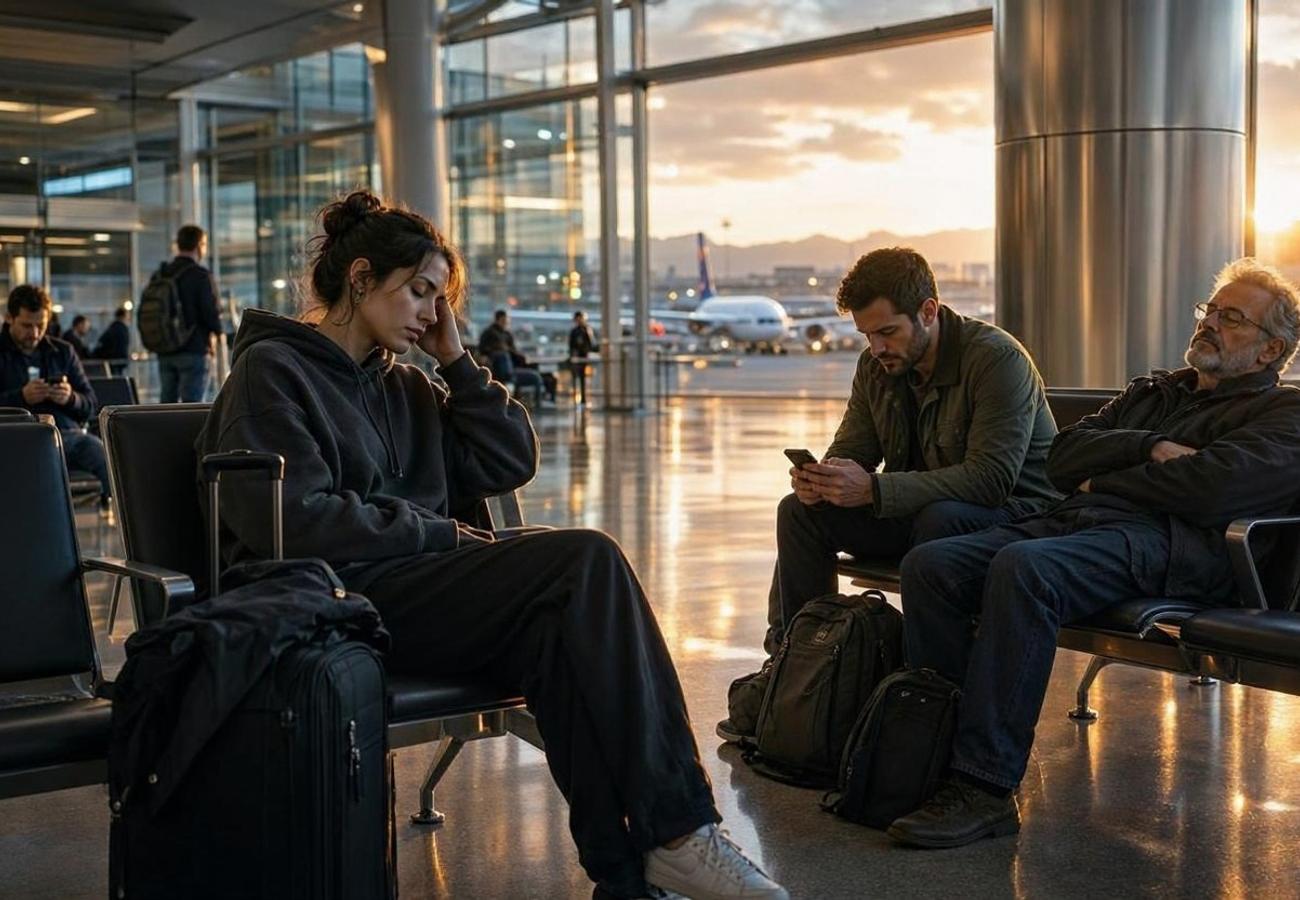
Image generated by AI
A single telecommunications glitch on November 13 triggered a nationwide ground stop that is still paralyzing US airspace days later, proving that the modern aviation grid is only as strong as its weakest data link. While the initial FAA failure has been addressed, the "hangover" effect—misplaced aircraft, exhausted crews, and scheduling nightmares—has resulted in 330 cancellations and 2,956 delays across the country.
The Aftermath of the FAA Telecom Collapse
The current instability in American air travel isn't just about one bad day; it is a systemic recovery struggle. When the Federal Aviation Administration (FAA) experienced a major telecommunications failure on November 13, it didn't just stop planes in their tracks—it shattered the precise choreography of crew rotations and aircraft positioning.
For a nomad or frequent traveler, this means that even if your flight is scheduled for November 16 or 17, the plane assigned to your route might still be stuck three states away, or your pilot may have timed out due to a delay four days prior. This instability is further compounded by localized weather issues, such as low cloud ceilings in San Francisco and heavy traffic volume in San Diego, which have stripped airlines of any remaining operational flexibility.
Mapping the Disruption: The Hard Data
The impact is not evenly distributed. Hub-and-spoke networks are suffering most, with Dallas and Chicago acting as the primary bottlenecks. Dallas-Fort Worth alone has seen nearly 15% of the total national delays.
Airport Impact Breakdown (November 16, 2026)
| Airport | Delays | Cancellations |
|---|---|---|
| Dallas-Fort Worth (DFW) | 428 | 67 |
| Chicago O’Hare (ORD) | 225 | 50 |
| San Francisco (SFO) | 182 | 15 |
| Charlotte Douglas (CLT) | 179 | 34 |
| Phoenix Sky Harbor (PHX) | 160 | 27 |
| Miami International (MIA) | 153 | 21 |
| Los Angeles (LAX) | 134 | 29 |
| Orlando (MCO) | 132 | 16 |
| Denver (DEN) | 118 | 12 |
| Reagan National (DCA) | 109 | 16 |
The disruption extends deep into regional markets, from the 8 cancellations at Louis Armstrong New Orleans to the 8 cancellations at Nantucket Memorial, which notably reported zero delays but total flight losses.
Which Carriers are Struggling Most?
Not all airlines are recovering at the same pace. American Airlines is currently the most impacted carrier, both in terms of raw numbers and percentage of failed operations.
Airline Performance Metrics
| Airline | Cancellations | Cancellation % | Delays | Delay % |
|---|---|---|---|---|
| American Airlines | 165 | 4% | 756 | 22% |
| SkyWest | 65 | 2% | 300 | 11% |
| JetBlue | 30 | 3% | 109 | 11% |
| United | 20 | 0% | 170 | 5% |
| Southwest | 11 | 0% | 438 | 11% |
| Delta Air Lines | 11 | 0% | 283 | 8% |
| PSA Airlines | 8 | 1% | 173 | 22% |
While Southwest has managed to keep cancellations low, their 438 delays highlight a significant struggle with timing and connections. PSA Airlines matches American Airlines for the highest delay rate at 22%.
Visitor Insider Tips: Surviving the Chaos
When the system breaks down like this, relying on the airport departure board is a mistake. By the time the board updates, your gate may have already changed or your flight may have been scrubbed.
- The Digital First Rule: Check your flight status via the airline's app before leaving for the airport. If you are flying American or Southwest, expect volatility.
- The Connection Buffer: If you have a layover in Dallas or Chicago, assume you will lose at least two hours. If your connection is under three hours, contact the airline now to see if an earlier or later flight is available.
- Paper Trails: In a systemic collapse, digital systems can glitch. Keep physical or PDF copies of your boarding passes and receipts. This is essential for claiming expenses if you are stranded overnight.
- The "Hidden" Rebooking Hack: If the phone lines are jammed, try the airline's social media DM channels or the chat function in the app; these are often staffed by different teams than the phone centers.
- Know Your Rights: Familiarize yourself with the U.S. Department of Transportation (DOT) guidelines regarding refunds for cancelled flights, regardless of the reason.
Cultural and Environmental Context
This crisis highlights the fragility of the US aviation infrastructure. As travel volumes increase, the reliance on centralized telecommunications makes the entire national grid vulnerable to a single point of failure. The "ground stop" is a blunt instrument used by the FAA to prevent mid-air catastrophes when data is missing, but the economic and human cost is immense.
Furthermore, the pressure on hub cities like Dallas and Chicago creates a secondary ripple effect on local urban infrastructure—overcrowded terminals lead to strained airport staffing and increased pressure on ground transport (Ubers, Lyfts, and trains), turning a flight delay into a city-wide logistics problem.
FAQ: Visiting the US in Late 2026
What is the best way to avoid these delays? Avoid connecting flights through major hubs like DFW or ORD. Opt for direct flights or use alternative transport for shorter distances to bypass the most congested airports.
Do I need a visa for emergency travel? Visa requirements remain unchanged regardless of flight disruptions. Ensure your ESTA or visa is valid before attempting to rebook international travel.
How do I get a refund for a cancelled flight? If the airline cancels your flight, you are generally entitled to a full refund to your original payment method, not just a travel voucher. Request this explicitly through the airline's customer service.
Is it safe for solo travelers during these disruptions? Yes, but be cautious of overcrowded terminals. Keep your luggage secure and stay updated via official airline apps rather than relying on unofficial crowdsourced information.
When the grid fails, the only real luxury is a direct flight.
Related Travel Guides
This article is for informational purposes. Flight routes, passenger regulations, visa rules, and transit advisories are subject to change by airlines and aviation authorities. Readers are advised to verify schedules and travel documentation with relevant carriers and border agencies before departure.
Related Stories
Neos Launches First Nonstop Milan to Cozumel Flight: Logistics Guide for Christmas 2026
Asia Aviation Crisis 2026: 4,461 Delays and 365 Cancellations Hit Dubai, Delhi, and Mumbai