
Nashville Travel Challenges 2026: Managing Crowds, Costs, and Traffic in Music City
Nashville's surge in popularity has led to significant visitor challenges including extreme Broadway crowds, soaring hotel costs, and severe road congestion in 2026.

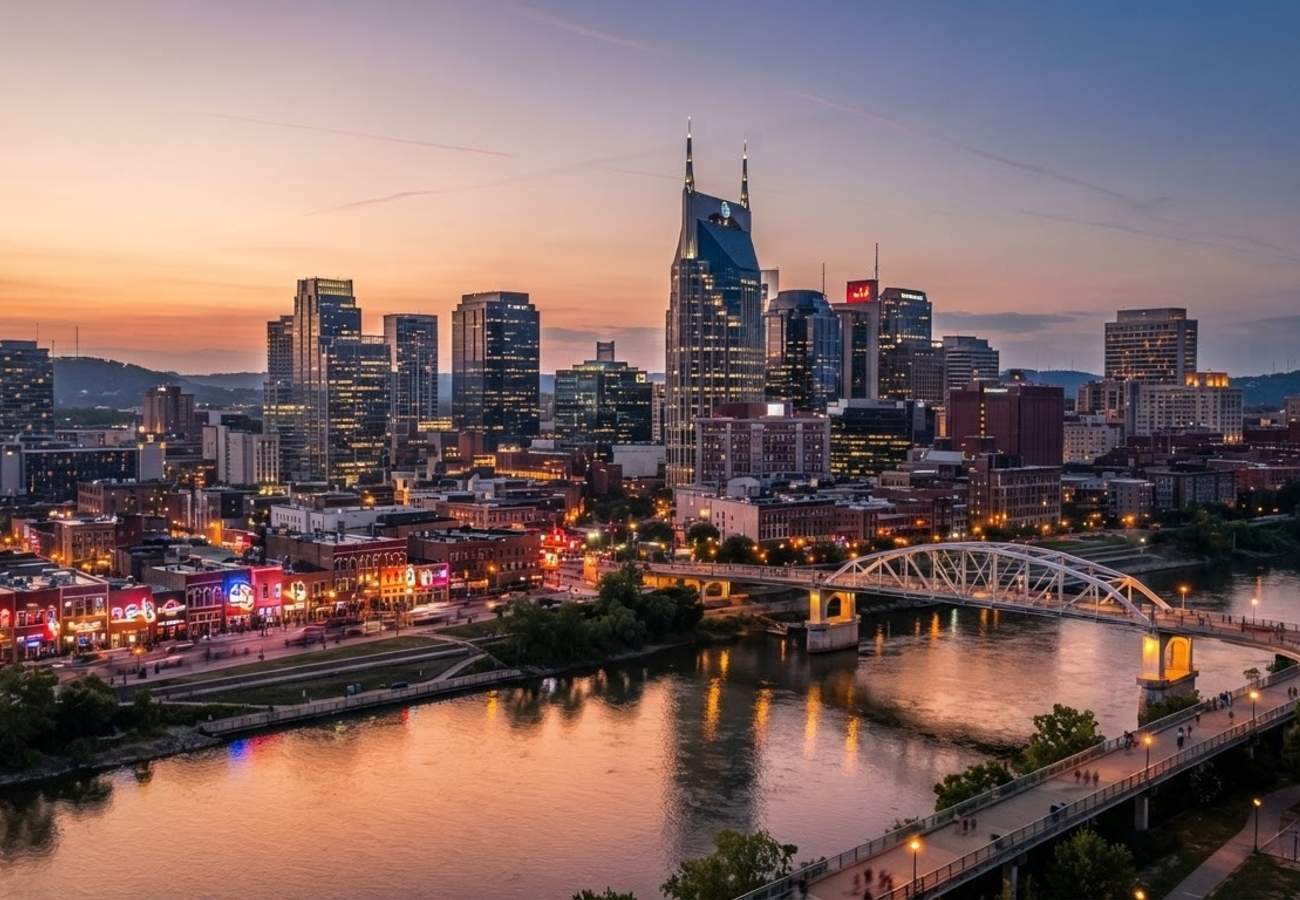
Image generated by AI
Nashville remains a premier global music destination, but its rapid growth is testing the limits of its infrastructure. Visitors in 2026 face a landscape defined by extreme pedestrian density, volatile accommodation pricing, and systemic traffic congestion.
The Tennessee capital continues to attract millions with its country music heritage and nightlife. However, the "NashVegas" phenomenon has shifted the visitor experience. For those planning a trip, the city is no longer a destination where spontaneous exploration is effortless. From the commercialization of Lower Broadway to the logistical hurdles of downtown parking, a strategic approach is now mandatory to avoid significant travel stress.
Critical Friction Points for Visitors
The modern Nashville experience is characterized by several recurring pain points, particularly during weekends and major event windows.
- Lower Broadway Saturation: The primary entertainment hub often reaches a density that can be overwhelming for non-party travelers.
- Exclusive Venue Access: High-demand spots like the Bluebird Cafe operate on a scarcity model, making last-minute entry nearly impossible.
- Parking Volatility: Downtown parking costs spike aggressively during sporting events and festivals.
- Infrastructure Lag: A lack of comprehensive rail transport forces a reliance on rideshares and buses, which are subject to heavy road congestion.
- Commercialization: A growing divide exists between the "tourist-centric" cover-song bars of Broadway and the authentic songwriter circles found in quieter districts.
Strategic Navigation of Music City
The Broadway Bottleneck
Lower Broadway is the epicenter of Nashville tourism, but its compact nature creates severe pedestrian congestion. For travelers seeking a more curated experience, our analysis suggests pivoting toward The Gulch or Printer’s Alley. These areas offer high-end dining and cocktails without the chaotic atmosphere of the main honky-tonk strip.
The Bluebird Cafe Logistics
The Bluebird Cafe remains a bucket-list item for music enthusiasts, but its ~90-seat capacity creates a massive supply-demand imbalance. Tickets disappear almost instantly upon release. Relying on walk-up arrangements is a high-risk strategy that often results in hours of waiting with no guarantee of admission.
Transportation and Urban Mobility
Nashville's road network is under extreme pressure. Short distances on a map often translate to lengthy travel times due to systemic congestion around major interchanges. Furthermore, the absence of an extensive urban rail system increases the cost and time associated with sightseeing. Combining walking with strategic rideshare use is generally more efficient than attempting to navigate and park a rental car downtown.
Visitor Challenge Matrix: 2026 Impact and Solutions
| Travel Challenge | Visitor Experience | Strategic Approach |
|---|---|---|
| Broadway Crowds | Dense pedestrian traffic | Visit during off-peak weekday hours |
| Bluebird Cafe Access | Rapid ticket sell-outs | Book tickets well in advance |
| Downtown Parking | High prices; limited spots | Compare garages or use rideshares |
| Hotel Costs | Price spikes during events | Stay in districts outside the core |
| Party Atmosphere | Loud, group-heavy environment | Explore historic/residential neighborhoods |
| Road Congestion | Significant delays | Build generous buffers into schedules |
| Public Transport | Limited rail options | Mix walking, buses, and rideshares |
| Restaurant Queues | Long waits at top venues | Verify reservation policies early |
| Tourist Areas | Highly commercialized feel | Seek out songwriter-focused spaces |
| Nightlife Music | Prevalence of cover songs | Research original songwriting venues |
Why This Matters: Industry Analysis
From a logistical perspective, Nashville is experiencing "overtourism" in specific corridors while other cultural assets remain underutilized. The shift toward the "NashVegas" identity—characterized by pedal taverns and bachelorette parties—has created a bifurcated experience.
For the traveler, the real impact is a higher "cost of entry" for authenticity. To find the original songwriting culture that built the city, visitors must now actively avoid the primary tourist zones. From an aviation and hospitality standpoint, the volatility of hotel pricing during major events indicates a market that is struggling to balance capacity with an ever-increasing influx of short-term visitors.
Forward Outlook
Expect Nashville to continue its expansion, but the friction in the downtown core will likely persist until more robust public transit solutions are implemented. Travelers should anticipate that "peak" times are expanding; what used to be a weekend rush is now bleeding into Thursday and Sunday. The trend toward "neighborhood tourism" will likely grow as visitors seek to escape the commercialization of the center.
Strategic planning is no longer optional for the Nashville visitor; it is the only way to ensure the music doesn't get drowned out by the crowds.
Related Travel Guides
Disclaimer
This article is for informational and educational purposes only. It does not constitute legal, financial, or professional advice. While we strive to provide accurate and up-to-date information, travel policies, regulations, and conditions change rapidly. Always verify information with official sources before making travel decisions. Nomad Lawyer makes no representations about the accuracy, reliability, completeness, or suitability of the information provided. Readers should consult qualified professionals for advice specific to their circumstances. The views expressed in this article are those of the author and do not necessarily reflect the views of Nomad Lawyer.
Raushan Kumar
Founder & Lead Developer
Full-stack developer with 11+ years of experience and a passionate traveller. Raushan built Nomad Lawyer from the ground up with a vision to create the best travel and law experience on the web.
Learn more about our team →