
Japan's Most Aging Village Connects with Peru to Revive Local Economy
Nanmoku in Gunma Prefecture partners with Belen in Peru, establishing a sister-city cultural bridge to address severe rural labor shortages and attract younger residents.

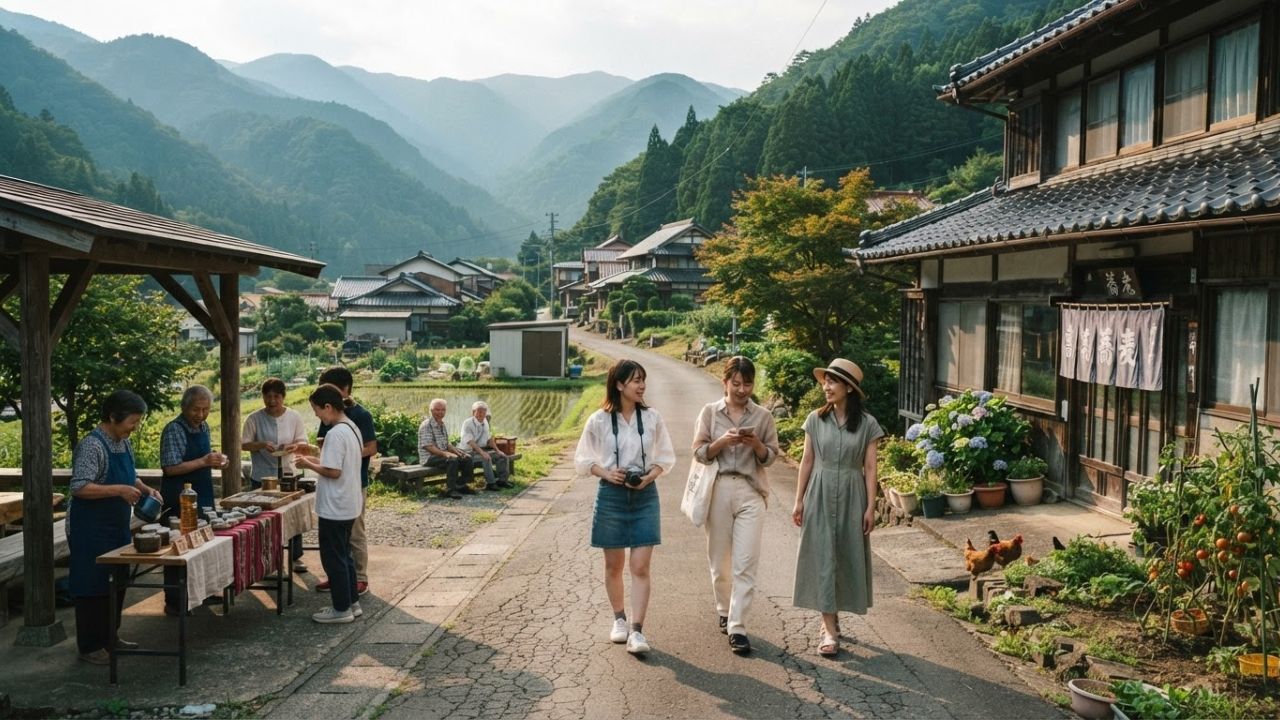
Image generated by AI
The mountainous village of Nanmoku in Gunma Prefecture—recorded as Japan’s most aging community with 65.2 per cent of its population aged 65 or older—has established a sister-city partnership with Belen, Peru, leveraging cultural exchange and tourism to revitalize its stagnant local economy.
The Local Trend Revealed: Transborder Partnerships in Rural Revitalization
Japan's rural communities are facing an existential demographic crisis. Characterized by declining birth rates, aging populations, and the steady migration of younger generations to metropolitan hubs, small villages are turning to international partnerships to survive. The mountain community of Nanmoku in Gunma Prefecture has become the focal point of this crisis, recording only 1,337 residents by the end of July, down from the era when forestry and sericulture (silk farming) supported a robust local workforce. Under the 2020 census, the village recorded an aging rate of 65.2 per cent, resulting in labor shortages so severe that some community bus drivers are in their 70s.
To address these challenges after domestic relocation programs—such as promoting vacant homes and supporting a resident-run nonprofit to manage eldercare facilities—failed to reverse the contraction, Nanmoku has established a sister-city agreement with Belen in northern Peru. Located near the upper reaches of the Amazon River with a population of 80,000 people, Belen has a much younger demographic. This partnership establishes a new travel and cultural bridge, coordinating student and tourist exchange programs in sports, science, and heritage to build long-term economic connections.
Nanmoku (Japan) and Belen (Peru) Demographic Comparison
| Regional Partner Location | Resident Population | Ageing Indicators (65 or Older) | Historic Economic Pillars | Core Revitalization Projects |
|---|---|---|---|---|
| Nanmoku (Gunma, Japan) | 1,337 residents (July 2026) | 65.2% of population (2020 Census) | Sericulture (silk production) and forestry | Vacant home sales, nonprofit-run eldercare, Peru exchange |
| Belen (Loreto, Peru) | 80,000 residents (approximate) | Highly youthful demographic | Amazon river-based trade and tourism | Youth exchange programs, sports, and science sharing |
Cultural & Environmental Value: Supporting Local Heritage and Revitalization
For the traveler, the real impact of this transborder partnership is the opportunity to practice slow travel that directly preserves rural heritage and supports independent communities. By traveling beyond crowded tourist cities to engage with Nanmoku’s historic mountain community, visitors help sustain local initiatives, such as resident-led nonprofit organizations that manage nursing facilities and roadside rest stations.
Mapped in coordination with the Gunma Prefecture Tourism Association and the Japan National Tourism Organization (JNTO), this model redirects tourism spending toward independent local craftsmen, protecting traditional sericulture and forestry heritage while funding essential services for the elderly. This structure distributes economic benefits directly to the local workforce, helping sustain essential community bus routes and eldercare programs.
Destination Specialist Local Insider Tips
To help you explore Gunma's mountain valleys comfortably and respect Nanmoku's community guidelines, travel specialists suggest the following tips:
- Savor Local Mountain Gastronomy: Sample traditional Nanmoku specialties. Try fresh konjac (konnyaku) cooked with miso, dishes featuring gathered wild mountain vegetables (sansai), and handmade buckwheat buckwheat noodles (soba).
- Target the Autumn Harvest Season: Visit Nanmoku in October or November to experience comfortable hiking temperatures, vibrant fall foliage, and local forest harvests without the summer heat.
- Observe Local Residential Etiquette: Respect the elderly residents by keeping voices down in residential zones, greeting locals with a polite bow, and asking permission before photographing historic farmhouses or private gardens.
- Utilize Offline Language Tools: English is not widely spoken in rural Gunma. Download offline Japanese translation dictionaries and learn basic polite phrases such as Arigatou gozaimasu (thank you) to facilitate communication.
- Explore Stone-Walled Agricultural Terraces: Walk along the village’s under-the-radar stone agricultural terraces built on steep hillsides, which represent the historic engineering ingenuity of Gunma’s traditional farmers.
Long-Term Outlook: Language Training and Local Workforce Support
The long-term outlook for Nanmoku relies on the success of global partnerships to build economic resilience. By establishing language training programs and professional qualification tracks, the village aims to transition international cultural visitors into long-term residents who can fill vital labor shortages in healthcare and elder care. This cooperative sister-city model offers a fresh path for rural revitalisation across Japan, balancing cultural preservation with global demographic integration.
Related Travel Guides
Disclaimer
This article is for informational and educational purposes only. It does not constitute legal, financial, or professional advice. While we strive to provide accurate and up-to-date information, travel policies, regulations, and conditions change rapidly. Always verify information with official sources before making travel decisions. Nomad Lawyer makes no representations about the accuracy, reliability, completeness, or suitability of the information provided. Readers should consult qualified professionals for advice specific to their circumstances. The views expressed in this article are those of the author and do not necessarily reflect the views of Nomad Lawyer.
Raushan Kumar
Founder & Lead Developer
Full-stack developer with 11+ years of experience and a passionate traveller. Raushan built Nomad Lawyer from the ground up with a vision to create the best travel and law experience on the web.
Learn more about our team →