South Africa Launches 2026 Tourism Hackathon to Digitalize Rural Homestays and Local Guides

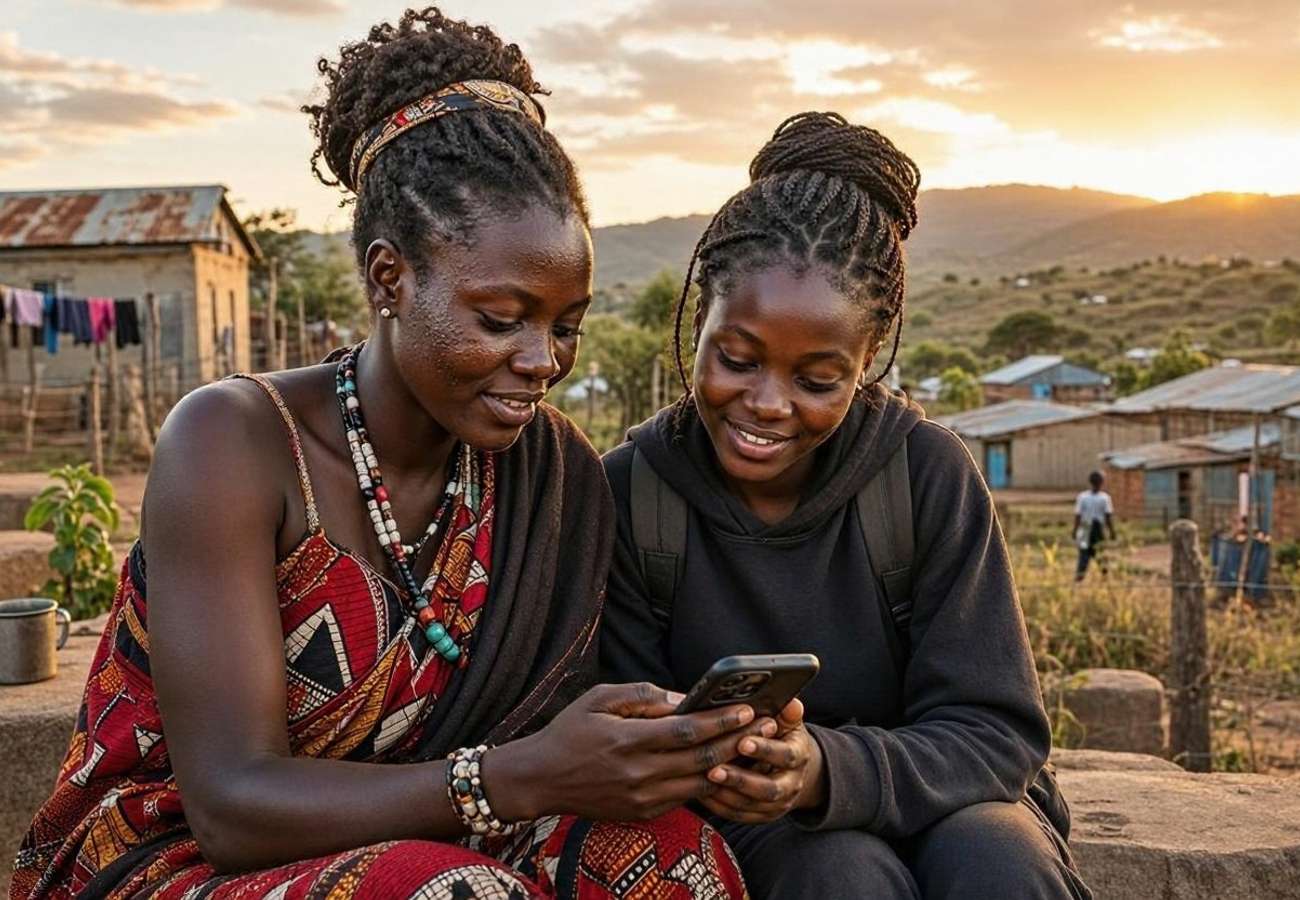
Image generated by AI
Are you planning a trip to South Africa and looking to move beyond the typical tourist circuits? Starting November 2026, the South African government is aggressively pursuing a digital shift to make rural homestays and township guides more accessible to international travelers.
The 2026/27 Tourism Hackathon Challenge
On 14 November 2026, Tourism Minister Patricia de Lille officially launched the 2026/27 Tourism Hackathon Challenge at the University of Cape Town (UCT). This initiative is not a ready-made app but a strategic development phase. Fifty students from various public and private universities are tasked with creating functional prototypes for discovery, booking, and payment systems specifically designed for the "invisible" sector of South African travel: rural communities, townships, and independent local guides.
The core objective is to bridge the gap between high-value, authentic local experiences and the mobile-first planning habits of modern nomads. While the government has not yet released a national booking portal, this hackathon serves as the incubator for the tools that will eventually define how you book off-the-beaten-path stays in the coming years.
Digital Innovation Focus Areas
The project is divided into specific logistical hurdles that currently make rural travel in South Africa difficult for foreigners.
| Focus Area | Objective | Expected Outcome | Status |
|---|---|---|---|
| Local Guide Booking | Digitalize guide discovery | Simplified inquiry and scheduling tools | Prototype Phase |
| Homestay Integration | Online reservation systems | Direct booking channels for community hosts | Prototype Phase |
| Rural Visibility | Community-Based Tourism (CBT) | Increased online presence for township hubs | Prototype Phase |
| Virtual Previews | Interactive destination tours | VR/AR previews of lesser-known sites | Prototype Phase |
| Financial Inclusion | Digital payment gateways | Secure, low-fee transaction tools for small hosts | Prototype Phase |
Traveler Logistics Guide
For the frequent traveler or digital nomad looking to integrate these emerging rural experiences into their South African itinerary, here is the current logistical reality and how to prepare.
Booking Strategies Since the national platform is still in the prototype stage, you cannot yet rely on a single government app to find these hosts. To find authentic rural stays now, utilize established community-based platforms or contact the South African National Parks (SANParks) for guided community experiences near protected areas.
Payment and Currency One of the primary goals of the 2026 hackathon is solving the "payment barrier." Currently, many rural operators rely on cash or local bank transfers, which are impractical for international visitors. Until the new digital payment prototypes are scaled, carry a mix of South African Rand (ZAR) and ensure you have a travel card with low ATM fees, as rural connectivity for credit card machines remains spotty.
Transit and Ground Transport Reaching these "hidden" destinations often requires more than a standard rental car. We recommend:
- Coordinating transport directly through your homestay host.
- Using verified local shuttle services.
- Checking current road conditions via the South African National Roads Agency (SANRAL).
Visa and Entry Requirements Ensure your passport is valid for at least 30 days beyond your intended departure date. Most Western travelers receive a visa-on-arrival, but if you plan to spend extended time volunteering or working in rural communities, verify your specific requirements via the South African Department of Home Affairs.
Regional Connectivity Impact
This shift toward "Community-Based Tourism" (CBT) is designed to decentralize tourism revenue. Historically, the bulk of travel spend remained in Cape Town, Johannesburg, and Kruger National Park. By providing small-scale operators with digital tools, the government aims to push foot traffic into townships and rural villages.
For the traveler, this means a future reduction in "tourist traps" and an increase in authentic, peer-to-peer travel. The partnership with the University of Cape Town ensures that these tools are built using "design thinking," meaning the interfaces should be intuitive for both a tech-savvy traveler from New York and a homestay host in a remote village who may have limited digital literacy.
FAQ: South Africa Rural Tourism 2026
Is there a national app to book rural homestays yet? No. As of November 2026, the government is in the prototype phase via the Tourism Hackathon. There is currently no public national booking platform.
Can I pay for rural experiences with a credit card? It varies. While major hotels accept all cards, many rural guides and homestays still require cash. The 2026 initiative specifically aims to fix this through new digital payment tools.
Are township tours safe for solo travelers? Yes, provided you use certified local guides. The current government push is to formalize these guides through digital registration to ensure safety and quality standards.
How do I find these "hidden" experiences today? Look for Community-Based Tourism (CBT) certifications or use specialized local tour operators who partner directly with township cooperatives.
The map of South Africa is expanding beyond the postcards—get ready to book the unbookable.
Related Travel Guides
This article is for informational purposes. Flight routes, passenger regulations, visa rules, and transit advisories are subject to change by airlines and aviation authorities. Readers are advised to verify schedules and travel documentation with relevant carriers and border agencies before departure.
Related Stories

South Africa Expands Inclusive Wildlife Tourism with Woman-Owned Wellness Centre at Addo Elephant National Park

Global Wellness Tourism Market Hits $7.5 Trillion as Holistic Travel Trends Surge in 2026