
Munnar, Coorg, and Alleppey Lead South India's 2026 Monsoon Tourism Surge for Nature Lovers
Discover how Munnar, Coorg, Chikmagalur, Kodaikanal, and Alleppey are redefining monsoon tourism in South India through rain-enhanced landscapes and eco-conscious travel experiences in 2026.

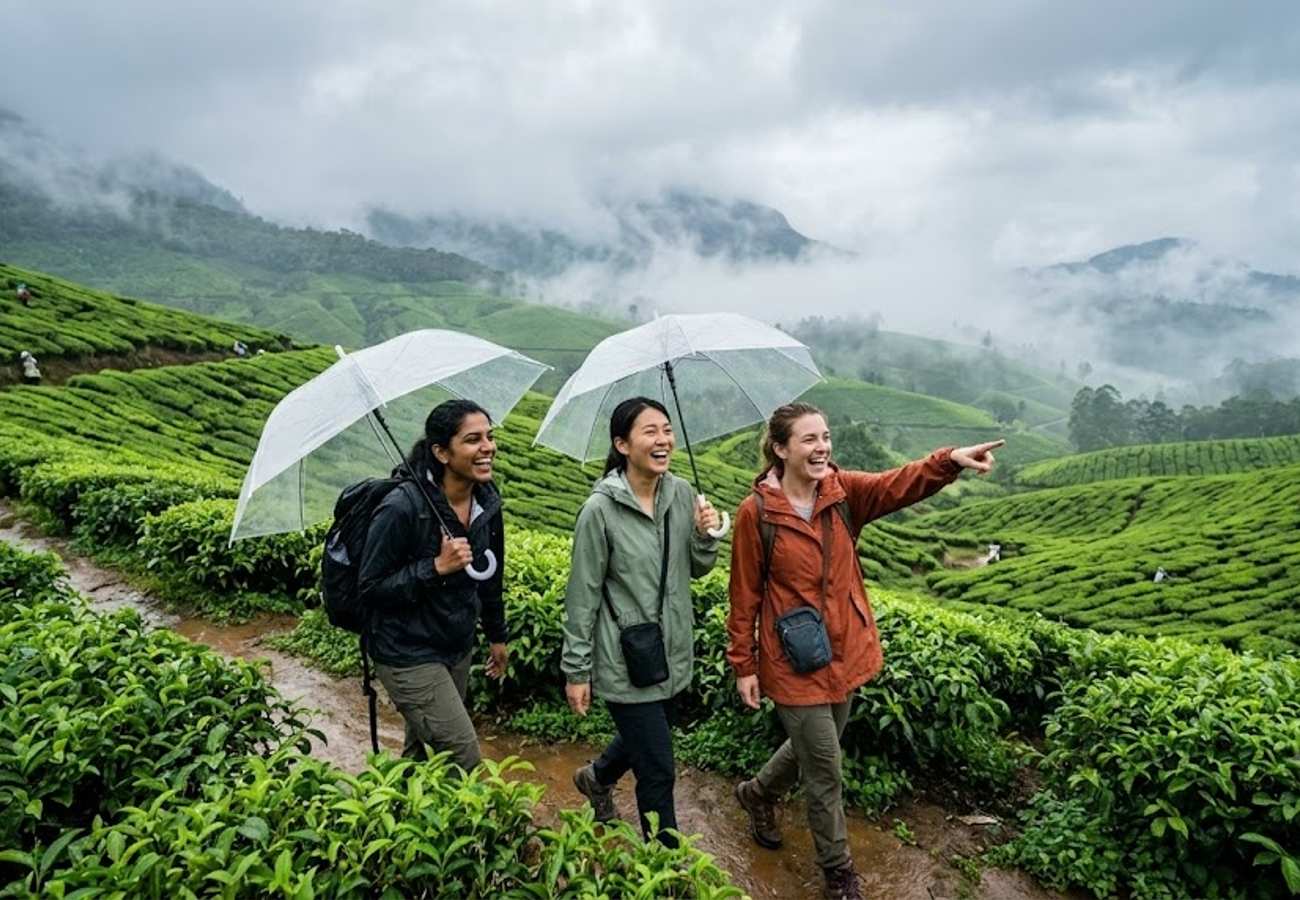
Image generated by AI
Headline Options:
- Factual/News: Munnar, Coorg, Chikmagalur, Kodaikanal, and Alleppey Drive South India’s 2026 Monsoon Travel Season with Enhanced Nature Experiences
- Curiosity-Gap (Discover): Forget the Dry Season: Why South India’s Monsoon Transformation is the Ultimate 2026 Travel Hack
- Problem-Solving (Search): How to Visit South India During the Monsoon: A Guide to Munnar, Coorg, and Alleppey
The rain isn't a deterrent—it's the main attraction. Thousands of travelers are now bypassing traditional peak seasons to witness South India's dramatic transformation into a vivid, emerald-green sanctuary.
The Local Trend Revealed: The Rise of "Pluviophile" Tourism
A significant shift is occurring in South Indian tourism. Rather than avoiding the rains, modern travelers are seeking "rain-enhanced" beauty. This trend focuses on the sensory experience of the monsoon: the scent of damp earth, the roar of rejuvenated waterfalls, and the sight of clouds descending upon mountain peaks.
From the Western Ghats to the coastal lagoons, destinations like Munnar, Coorg, and Alleppey have pivoted to highlight the unique atmospheric charm of the rainy months. This isn't just about sightseeing; it is about a slower, more intentional form of travel that prioritizes wellness and nature immersion over checklist-style tourism.
Cultural & Environmental Value: Preserving the Western Ghats
For the visitor, the real impact of monsoon travel is witnessing the ecological rebirth of the Western Ghats, a global biodiversity hotspot. The surge in tourism during this window supports local agrarian economies—specifically coffee and tea estates—which rely on these rains for their world-famous yields.
By visiting during the off-peak window, travelers reduce the pressure on these ecosystems during the scorching summer months and distribute economic benefits more evenly across the year. This shift supports regional conservation bodies and local heritage associations by promoting a sustainable, low-impact approach to exploring the highlands and backwaters.
Destination Deep Dive: The Monsoon Map
| Destination | Primary Appeal | Key Monsoon Highlight | Recommended Activity |
|---|---|---|---|
| Munnar | Tea Plantations | Mist-covered valleys | Boating at Kundala Lake |
| Coorg | Coffee Estates | Vibrant green forests | Visiting Abbey Falls |
| Chikmagalur | Mountain Trails | Dense forest canopies | Trekking Mullayanagiri Peak |
| Kodaikanal | Hill Station Charm | Active waterfalls | Exploring Kodai Lake |
| Alleppey | Backwaters | Lush coconut groves | Traditional Houseboat Cruises |
The Highlands: Munnar, Coorg, and Chikmagalur
In Munnar, the monsoon breathes life into the tea gardens, creating a dreamy, monochromatic green landscape. Similarly, Coorg transforms into a lush paradise where the aroma of coffee is intensified by the cool, humid air. For those seeking a more rugged experience, Chikmagalur offers a blend of adventure and serenity, with Hebbe Falls and Kolathgiri Falls reaching their peak volume.
The Retreats: Kodaikanal and Alleppey
Kodaikanal, the "Princess of Hill Stations," offers a meditative atmosphere as clouds wrap around the Dolphin’s Nose and Silver Cascade Falls. Meanwhile, Alleppey provides a starkly different experience. The canals and lagoons become vivid green arteries, and the rhythmic sound of rain on a houseboat roof offers a quintessential Kerala experience.
Visitor Insider Tips: Navigating the Rain
To make the most of a South Indian monsoon trip, local expertise is essential:
- The Golden Window: Aim for the shoulder periods of the monsoon to avoid extreme landslides while still enjoying the lush greenery.
- Gear Up: Forget standard umbrellas; invest in high-quality, breathable waterproof gear and trekking sandals with superior grip to handle slippery mountain paths.
- Dining Specialty: In the highlands, pair your visit with local "Kapi" (filter coffee) and steamed snacks like Ela Ada (steamed rice cakes in banana leaves), which are traditional monsoon comforts.
- Hidden Spot: In Chikmagalur, seek out the smaller, less-documented forest routes near Hirkole Lake for a more secluded experience away from the main tourist hubs.
- Etiquette: When visiting coffee estates in Coorg, always request a guided tour from a local estate owner to ensure you aren't disrupting the harvest or damaging the plants.
Tourism Outlook
The long-term impact of this trend is a move toward "Seasonal Diversification." By marketing the monsoon as a premium experience, South India is reducing the volatility of its tourism economy. This encourages the development of all-weather infrastructure and promotes a deeper respect for the region's natural cycles. As eco-tourism initiatives gain traction, these destinations are likely to implement stricter "carry-in, carry-out" policies to protect the rejuvenated landscapes from the increase in rainy-season foot traffic.
Embrace the mist and let the rain rewrite your travel itinerary.
Related Travel Guides
Disclaimer
This article is for informational and educational purposes only. It does not constitute legal, financial, or professional advice. While we strive to provide accurate and up-to-date information, travel policies, regulations, and conditions change rapidly. Always verify information with official sources before making travel decisions. Nomad Lawyer makes no representations about the accuracy, reliability, completeness, or suitability of the information provided. Readers should consult qualified professionals for advice specific to their circumstances. The views expressed in this article are those of the author and do not necessarily reflect the views of Nomad Lawyer.
Preeti Gunjan
Contributor & Community Manager
A passionate traveller and community builder. Preeti helps grow the Nomad Lawyer community, fostering engagement and bringing the reader experience to life.
Learn more about our team →