
Mohe China Tourism Boom: How Ice, Snow and Nature Are Creating a New Arctic Travel Experience
Mohe China Tourism Boom: How Ice, Snow and Nature Are Creating a New Arctic Travel Experience

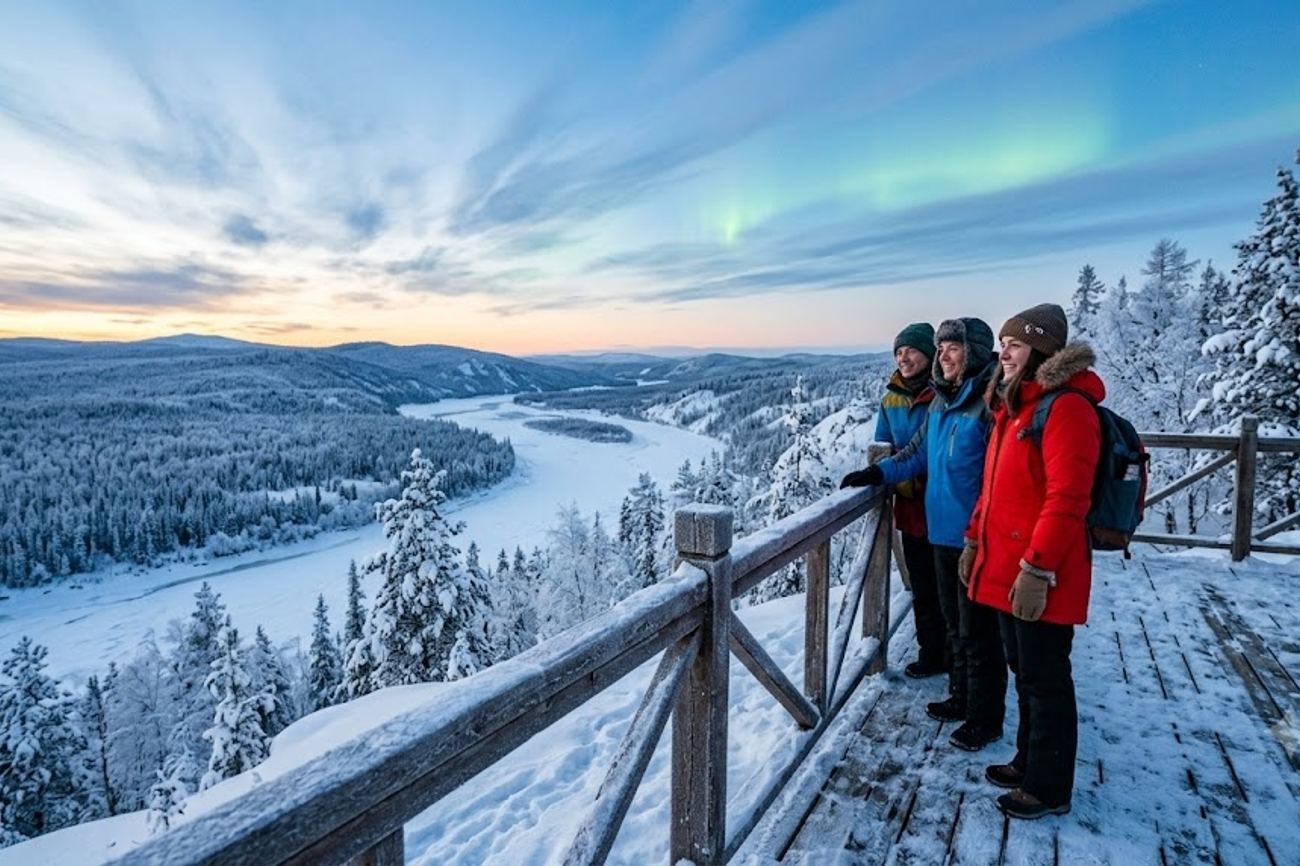
Image generated by AI
The thermometer in Mohe once plummeted to minus 53 degrees Celsius, marking the lowest temperature ever recorded in China. While most cities view such lethal cold as a liability, this remote outpost at 53-degree north latitude has rebranded its frozen isolation into a high-value asset, turning the brutal winters of Heilongjiang Province into a magnet for adventure seekers and industrial researchers.
The Arctic Pivot of Northern Heilongjiang
For generations, the economy of Mohe was dictated by what could be extracted from the earth. The region relied heavily on the exploitation of forest resources and intensive mining to sustain its population. However, the city has undergone a radical structural shift, moving away from the scars of placer gold mining and commercial logging toward a model based on ecological conservation and high-end nature tourism.
The epicenter of this transformation is Beiji Village. Once a quiet settlement, it has evolved into a sophisticated tourism hub. In 2025, Beiji Village saw 2.73 million visitors, generating approximately 2.57 billion yuan in revenue. This isn't just a result of organic growth; it was a calculated transition. Local residents underwent specific training programs to master guesthouse management and visitor services, allowing them to convert ancestral homes into boutique homestays. This shift has democratized the economic benefits of tourism, moving the profit from large corporations into the hands of local families.
The city has also diversified its winter economy by inviting the automotive industry into the freeze. A specialized cold-region testing center spanning 22,000 square metres now serves as a laboratory for the world's leading car manufacturers. During the 2025–2026 winter season, 2,400 technicians from 75 different automobile companies descended on Mohe to push vehicles to their absolute limits in the Arctic cold. This blend of leisure tourism and industrial research ensures the city remains economically viable even when the casual traveler stays home.
What Makes Mohe Different
Mohe is not merely a "cold place"; it is a frontier. Situated near the Russian border, it offers a geographic and atmospheric experience that is entirely distinct from the rest of China. The primary draw is the Greater Hinggan Mountains, a vast expanse of snow-covered forests that provide a stark, monochromatic beauty.
Unlike the curated ski resorts of the south, Mohe offers raw, elemental experiences. The Arctic Ski Resort was one of the first in the country to open its doors for several consecutive winter seasons, catering to those who want to ski in genuine Arctic conditions. Beyond the slopes, the region is a sanctuary for biodiversity. Because the city ended commercial logging of natural forests, the area has become a haven for birdwatchers, with more than 180 migratory bird species documented in the region.
The sensory experience of Mohe extends to its unique gastronomy. The Greater Hinggan Mountains hold a massive portion of China's wild blueberry resources, supported by over 400,000 cultivated plants. This has led to the creation of a niche luxury product: blueberry ice wine, crafted from berries affected by the frost. This industry alone has generated roughly 450 million yuan in output, proving that the extreme climate can actually enhance the flavor and value of local produce. When paired with regional staples like ginseng and wild forest mushrooms, the local cuisine becomes an extension of the environment itself.
Visitor Insider Tips
Navigating Mohe requires more than just a heavy coat; it requires a strategy. If you are planning a trip, keep these local nuances in mind:
Timing the Freeze: The peak window is December through February. This is when the "frozen scenery" is at its most dramatic, but it is also when the crowds are thickest. For those seeking the northern lights, keep a flexible itinerary; visibility depends entirely on atmospheric conditions and solar activity.
The Gear Gap: Do not rely on standard winter wear. You need professional-grade thermal layers and insulated boots designed for sub-zero temperatures. A critical but often overlooked tip: bring high-quality moisturizing skincare. The Arctic air is incredibly dry and will crack skin within hours. Additionally, be aware that batteries in cameras and phones drain almost instantly in the cold; carry multiple power banks and keep them tucked against your body for warmth.
Where to Stay: Skip the larger hotels if you want the authentic experience. Base yourself in the family-run homestays in Beiji Village. These provide a direct window into the local culture and the best access to regional berry products.
Transport Logistics: Mohe is remote. While flights and rail connections from major Chinese hubs are available, always build "buffer days" into your travel plans. Heavy snowfall can lead to sudden transport delays, and being stranded in the Arctic is only an adventure if you have enough food and warmth. For official travel requirements and updates, consult the China National Tourism Administration or the Heilongjiang Provincial Government.
Cultural and Environmental Context
The rise of Mohe is a case study in the tension between development and preservation. For years, the Greater Hinggan Mountains were viewed as a warehouse of timber and gold. The environmental cost was high, with intensive logging altering the local ecosystem. The current tourism boom is only possible because of a strict policy shift toward restoration.
By banning placer gold mining and commercial logging, Mohe has effectively turned its natural capital into a permanent asset. The transition to tourism has provided a financial incentive for locals to protect the forest rather than harvest it. However, the influx of millions of visitors brings new challenges. To combat the carbon footprint of heating in such a cold climate, the city has implemented energy-efficient heating systems in its villages to reduce pollution.
The social fabric of the region is also changing. In the last three years, over 200 entrepreneurs and workers from other parts of China have relocated to Beiji Village to launch businesses. This has led to a rapid expansion of infrastructure, with more than 130 guesthouses and 2,600 beds constructed recently. While this brings investment—evidenced by 25 ongoing projects totaling 1.292 billion yuan—it also requires a delicate balance to ensure the "Arctic Village" identity isn't swallowed by commercialization. For more on how such regions are protected globally, the UNESCO World Heritage Centre provides excellent context on the preservation of natural landscapes.
FAQ: Visiting Mohe 2026
What is the best time to visit? Visit between December and February for the full Arctic snow experience and skiing. If you prefer hiking and wildlife viewing in the Greater Hinggan Mountains, the summer months offer lush green forests and milder temperatures.
How do I get to Mohe? Mohe is accessible via flights and rail from major Chinese cities. It is located in the far north of Heilongjiang Province, near the border with Russia. Always check weather reports before booking rail travel.
Is it safe for solo travelers? Yes, it is generally safe. However, solo travelers must be extremely cautious about the weather. Always inform your guesthouse host of your plans before venturing into the forests or remote parts of Beiji Village.
What should I pack for the winter? Bring professional thermal clothing, insulated boots, gloves, and hats. Essential items include heavy-duty moisturizer and portable power banks to keep your electronics functioning in minus-degree temperatures.
In Mohe, the cold is no longer a hardship—it is the main attraction.
#MoheArcticTravel #HeilongjiangWinter #BeijiVillage #GreaterHingganMountains #ChinaColdWeatherTourism2026
Related Travel Guides
Disclaimer
This article is for informational and educational purposes only. It does not constitute legal, financial, or professional advice. While we strive to provide accurate and up-to-date information, travel policies, regulations, and conditions change rapidly. Always verify information with official sources before making travel decisions. Nomad Lawyer makes no representations about the accuracy, reliability, completeness, or suitability of the information provided. Readers should consult qualified professionals for advice specific to their circumstances. The views expressed in this article are those of the author and do not necessarily reflect the views of Nomad Lawyer.
Kunal K Choudhary
Co-Founder & Contributor
A passionate traveller and tech enthusiast. Kunal contributes to the vision and growth of Nomad Lawyer, bringing fresh perspectives and driving the community forward.
Learn more about our team →