
Global Travel Alert: UN Tourism Cuts 2026 Forecast as Costs and Conflicts Challenge Recovery

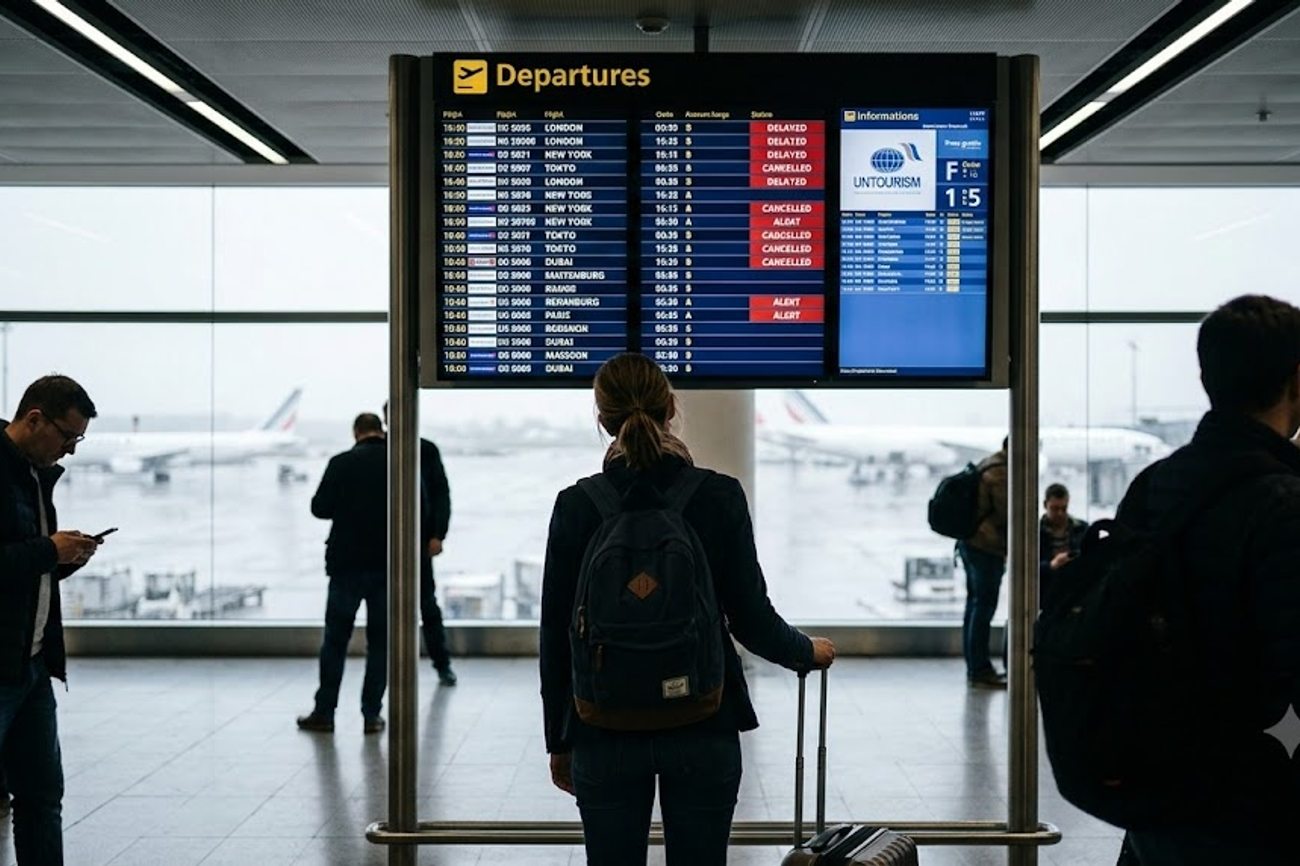
Image generated by AI
The 2026 Growth Correction: Quantifying the Global Tourism Slowdown
International tourist arrival growth projections for 2026 have been slashed from an initial 3–4% to a revised 1–2%, marking a significant downward correction in global travel momentum. This adjustment by UN Tourism signals a transition from the aggressive, post-pandemic "revenge travel" surge to a period of fragmented, cautious growth. The reduction is not a sign of industry collapse, but rather a data-driven acknowledgement that the macroeconomic headwinds of 2024 and 2025 are now structurally embedded in the 2026 forecast.
The downward revision is the result of a compounding effect where geopolitical instability, inflation, and energy volatility intersect. When growth forecasts drop by half—from a high of 4% to a low of 1%—it indicates that the industry is no longer operating in a recovery phase, but has entered a stabilization phase. For the aviation sector, this shift is particularly acute. Rising fuel costs and airspace restrictions are no longer temporary anomalies; they are now primary drivers of ticket pricing and route profitability. According to data trends tracked by IATA, the sensitivity of passenger demand to fare increases has sharpened, meaning that even marginal hikes in operational costs are now resulting in visible dips in booking volumes.
The Macroeconomic Friction Points
The reduction in the 2026 forecast is rooted in four specific data-driven pressures:
- Energy Volatility: Higher fuel prices directly impact the cost of "seat-kilometers," forcing airlines to either absorb losses or pass costs to the consumer.
- Inflationary Pressure: Rising costs for hospitality and daily expenses are eroding the real purchasing power of the middle-class traveler.
- Geopolitical Risk: Conflicts are forcing the redesign of flight paths, increasing flight times and fuel burn, which in turn raises insurance premiums for carriers.
- Consumer Confidence: The shift from 3–4% growth to 1–2% reflects a psychological pivot where travelers are prioritizing financial liquidity over luxury international exploration.
This slowdown is not uniform. While some regions are seeing a plateau, others are experiencing a genuine contraction in demand. The vulnerability is highest in "tourism-dependent" economies—nations where a significant percentage of GDP is derived from international arrivals. In these markets, a 2% drop in projected growth can lead to substantial losses in local employment and small business revenue.
Regional Divergence and Historical Benchmarks
The current trajectory shows a stark contrast between the rapid recovery seen in 2022–2023 and the projected stagnation of 2026. Historically, tourism has shown a "bounce-back" effect following global crises, but the current data suggests a "fragmented recovery." We are seeing a shift where regional travel (short-haul) is outperforming intercontinental travel (long-haul).
The following table illustrates the shift in growth expectations and the primary drivers behind the revised 2026 outlook compared to the previous recovery cycle.
| Metric | Recovery Phase (2023-2024) | Projected Phase (2026) | Variance/Shift |
|---|---|---|---|
| Arrival Growth Forecast | 3% – 4% | 1% – 2% | -50% to -75% reduction |
| Primary Driver | Pent-up Demand | Economic Constraints | Shift from "Desire" to "Affordability" |
| Route Strategy | Rapid Network Expansion | Route Optimization | Shift from Volume to Profitability |
| Traveler Behavior | High-Spend / Long-Haul | Value-Driven / Short-Haul | Shift toward "Near-cationing" |
| Market Focus | Global Mass Tourism | Diversified/Sustainable | Shift toward High-Value/Low-Impact |
As noted by Statista, the Asia-Pacific region continues to show strong long-term aircraft demand, yet the short-term reality is marred by higher travel costs and aviation disruptions. This creates a paradox: the infrastructure for growth (aircraft orders) is there, but the immediate economic catalyst (consumer spending power) is weakening.
Practical Traveler Advisory and Strategic Insights
For the individual traveler, the shift from a 4% growth environment to a 1% growth environment changes the power dynamic of booking. We are moving away from a "seller's market" where prices spiked due to overwhelming demand, and into a "value market" where destinations must compete more aggressively for a smaller pool of active travelers.
The United Nations World Tourism Organization (UNWTO) has cut its 2026 forecast for international tourist arrivals due to rising costs and ongoing conflicts, which are expected to impact travel demand. According to the UNWTO website, the organization has revised its forecast downward, citing increased uncertainty and volatility in the global economy. This revision is likely to have significant implications for the tourism industry, which is still recovering from the impacts of the pandemic.
Actionable Booking Strategies:
- Prioritize Regional Hubs: With long-haul flights becoming more expensive due to fuel and route diversions, look for "secondary" destinations within your own continent. The data suggests a trend toward shorter-distance trips to avoid the volatility of intercontinental pricing.
- Shift to Value-Based Destinations: As inflation hits major tourism hubs, destinations that offer high cultural value but lower daily costs will see a surge in demand. If you are planning a trip for 2026, target markets that are diversifying their visitor base and offering "authentic" rather than "luxury" experiences.
- Increase Booking Flexibility: Given the geopolitical instability cited by UN Tourism, the risk of route changes or sudden price hikes is higher. Booking refundable fares or utilizing travel insurance is no longer optional—it is a data-backed necessity for 2026 planning.
- Monitor Off-Peak Windows: As destinations struggle to meet their 1–2% growth targets, expect more aggressive discounting during "shoulder seasons" (spring and autumn) to fill capacity.
The Trajectory Toward Sustainable Fragmentation
The industry is moving toward a model of "Sustainable Fragmentation." Because the era of effortless 4% annual growth is pausing, destinations are forced to pivot from quantity (number of arrivals) to quality (spend per visitor). This is a fundamental shift in the tourism business model.
We are seeing the rise of "flexible tourism models," where destinations adjust their offerings in real-time based on economic data. For example, if international arrivals from a specific region drop due to currency devaluation, destinations are rapidly pivoting to attract domestic tourists to fill the gap. This reliance on domestic markets is a hedge against the geopolitical instability that is currently depressing the UN Tourism forecasts.
Furthermore, the integration of sustainable strategies is no longer just a corporate social responsibility goal; it is an economic imperative. Destinations that protect their natural resources and infrastructure are more resilient to shocks. When travelers become more selective—as the current data indicates—they gravitate toward destinations that offer stability and authenticity over mass-market commercialism. The long-term trajectory suggests that the winners of 2026 will not be the destinations with the most flights, but those with the most resilient and diversified visitor ecosystems.
FAQ: Global Tourism Forecast 2026
Will international flight prices continue to rise? Yes, likely in the short term. The combination of higher fuel costs and redirected flight routes due to geopolitical tensions creates a price floor that prevents fares from returning to pre-2024 levels.
Is this the worst time to book international travel? Not necessarily. While growth is slowing, this often leads to more competitive pricing and better deals from hotels and airlines desperate to hit their lower 1–2% growth targets.
Which regions are most affected by the growth slowdown? Tourism-dependent economies in Southeast Asia and regions adjacent to geopolitical conflict zones are facing the most pressure due to their high reliance on international visitor spending.
Why is the growth forecast dropping if people still want to travel? The desire to travel remains, but the ability to do so is constrained by inflation, higher transport costs, and economic uncertainty, which reduces the actual number of arrivals.
The era of unchecked tourism expansion has ended; the era of strategic, value-driven travel has begun.
Related Travel Guides
- UK Tourism Eyes Major Shopping Boost as Conservatives Pledge Return of Tax Free Shopping for Overseas Visitors
- Greece Earns More From Fewer Australian Tourists as Visitor Spending Surges 20.2 Percent
- Portugal Expands Accessible Tourism Facilities with 300% Growth in Adapted Accommodations and Regional Infrastructure Upgrades
This article is for informational purposes. Flight routes, passenger regulations, visa rules, and transit advisories are subject to change by airlines and aviation authorities. Readers are advised to verify schedules and travel documentation with relevant carriers and border agencies before departure.
Related Stories

International Tourism Arrivals to Hit 1.57 Billion in 2026 Amid Shift Toward Short-Haul Travel
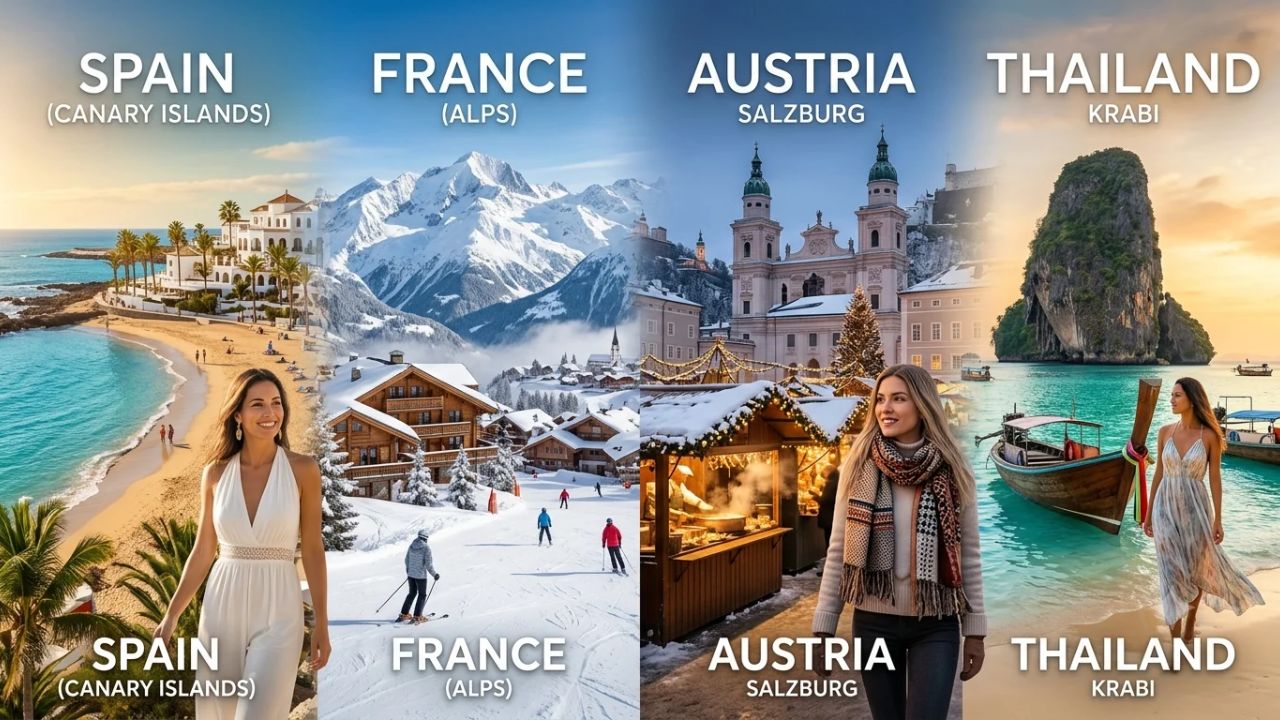
Spain, France, Austria, and Thailand Top Global Winter Tourist Rankings as Seasonal Migration Surges