
Michigan Travel Boom: Upper Peninsula and Mackinac Island Lead America’s Fall Tourism Rankings
Michigan Travel Boom: Upper Peninsula and Mackinac Island Lead America’s Fall Tourism Rankings

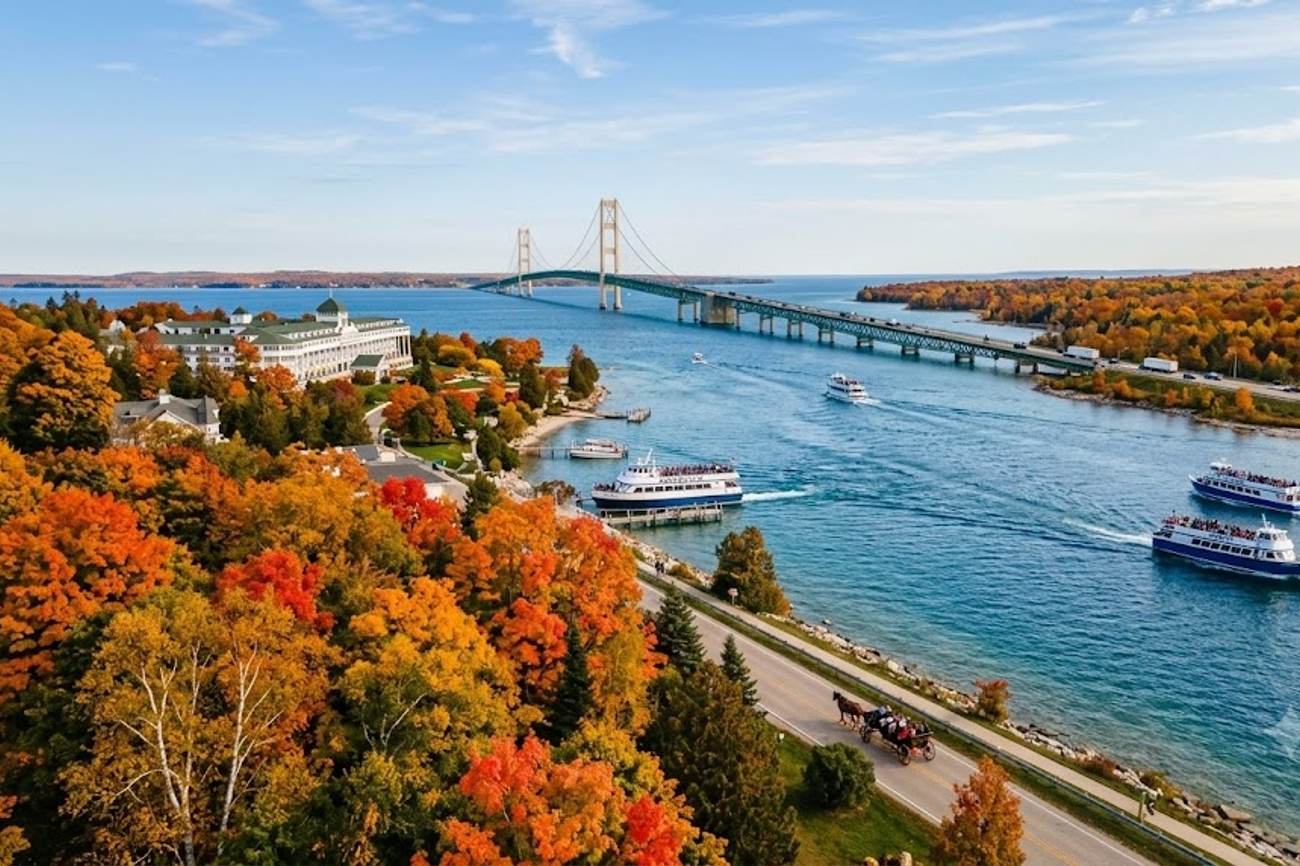
Image generated by AI
[Lansing, October 2023] — Michigan has secured a dominant position in the U.S. autumn travel market after the Upper Peninsula and Mackinac Island claimed top honors in the USA TODAY 10Best Readers’ Choice Awards. The Upper Peninsula is now recognized as the premier national destination for fall foliage, while Mackinac Island has been named the overall best fall destination in the United States.
These rankings signal a significant shift in domestic travel patterns, with tourists increasingly abandoning traditional city-based vacations in favor of nature-centric, "slow travel" experiences. The surge in recognition is driving a spike in interest for Michigan’s Great Lakes coastline, historic townships, and expansive wilderness areas as travelers seek alternatives to overcrowded East Coast foliage hotspots.
The Drivers of Michigan's Autumn Surge
The current spike in Michigan's tourism profile is triggered by a convergence of national award recognition and a broader consumer trend toward experience-based travel. By securing the top spots in the USA TODAY 10Best rankings, Michigan has effectively positioned itself as the primary alternative for autumn escapes.
The Upper Peninsula’s ascent is fueled by its sheer scale of natural assets. The region manages approximately 7 million acres of forest, providing a massive canvas for seasonal color changes. The biological diversity of the region—specifically the interplay between red and orange maples and the golden hues of birch and aspen forests—creates a visual variety that few other U.S. regions can match.
Simultaneously, Mackinac Island is leveraging its unique regulatory environment—specifically the ban on private motor vehicles—to attract travelers exhausted by urban congestion. By offering a transport ecosystem based on horse-drawn carriages and bicycles, the island provides a "time-capsule" experience that aligns with the current global trend toward mindful and decelerated tourism.
Regions and Assets Under Spotlight
The impact of this tourism boom is concentrated across several specific geographic zones and infrastructure networks:
- The Upper Peninsula (UP):
- Forestry: 7 million acres of seasonal woodland.
- Transit: Approximately 10 designated fall color routes totaling nearly 1,500 miles.
- Geography: Access to three of the five Great Lakes, integrated with thousands of miles of streams and waterfalls.
- Mackinac Island:
- Transport: Zero private motor vehicles; reliance on carriage and pedal power.
- Key Sites: Fort Mackinac and the island's historic downtown fudge district.
- Environment: Lake Huron waterfront vistas combined with high-density autumn foliage.
- Great Lakes Corridor:
- Water Access: Direct access to four Great Lakes, supporting kayaking, boating, and fishing.
- Rural Economy: Small-town hubs and lighthouse districts that serve as primary stop-overs for road-trip travelers.
What This Means for Travelers
For those planning a trip to Michigan this season, the national recognition translates into specific operational changes and expectations.
Booking and Availability: Expect significantly higher demand for lodging in the Upper Peninsula and on Mackinac Island. Hotels and short-term rentals in these "top-ranked" zones are likely to reach capacity faster than in previous years. Travelers should secure accommodations well in advance of the peak color window.
Transportation Logistics: The "road trip" is the primary mode of consumption for Michigan's autumn beauty. With 1,500 miles of designated routes in the UP alone, travelers should prioritize rental vehicles with reliable navigation and fuel efficiency. On Mackinac Island, the lack of cars means travelers must budget time for slower transit; getting from one side of the island to the other takes considerably longer than in a standard urban environment.
Activity Planning: The focus has shifted from passive sightseeing to active engagement. This means a higher demand for equipment rentals—specifically bicycles on Mackinac Island and kayaks or hiking gear in the Upper Peninsula. Travelers should check the status of Michigan State Parks for permit requirements or parking limitations during peak foliage weekends.
Economic and Environmental Outlook
The influx of autumn tourists provides a critical economic bridge for rural Michigan communities, extending the revenue window beyond the traditional summer peak. Spending is distributed across a wide array of local sectors, including boutique hospitality, regional restaurants, and specialized tour operators. This "shoulder season" boost is essential for the survival of small businesses in the remote northern regions.
However, the increase in foot traffic brings environmental pressures. The Michigan Department of Natural Resources and local authorities are emphasizing sustainable tourism to prevent the degradation of the very landscapes driving the growth.
The long-term strategy for the region involves a balance between accessibility and conservation. To maintain its "top destination" status, Michigan must manage the impact of thousands of additional vehicles on its 1,500 miles of scenic routes and ensure that wildlife habitats in the 7-million-acre UP forest remain undisturbed. The transition toward "responsible tourism"—staying on marked trails and respecting local wildlife—is no longer optional but a requirement for the region's ecological survival.
FAQ: Michigan Fall Travel 2023
Do I need a car to visit the Upper Peninsula? Yes. The UP is vast, with 1,500 miles of scenic routes. While some small towns are walkable, a vehicle is essential to access the 7 million acres of forest and various waterfall sites.
Are cars allowed on Mackinac Island? No. Private motor vehicles are banned. Visitors must use horse-drawn carriages, bicycles, or walk to navigate the island.
What is the best way to track fall colors in Michigan? Travelers should utilize the 10 recognized fall color routes in the UP and monitor local forestry reports to time their visit with the peak change of maples and aspens.
When is the best time to visit for foliage? While it varies by year, the autumn window typically spans from late September through October, depending on the specific latitude and elevation of the destination.
Michigan is no longer just a summer lake destination; it is now the national gold standard for the American autumn.
#MichiganTourism #UpperPeninsula #MackinacIsland #GreatLakesTravel #USATODAY10Best #FallFoliage2023
Related Travel Guides
Disclaimer
This article is for informational and educational purposes only. It does not constitute legal, financial, or professional advice. While we strive to provide accurate and up-to-date information, travel policies, regulations, and conditions change rapidly. Always verify information with official sources before making travel decisions. Nomad Lawyer makes no representations about the accuracy, reliability, completeness, or suitability of the information provided. Readers should consult qualified professionals for advice specific to their circumstances. The views expressed in this article are those of the author and do not necessarily reflect the views of Nomad Lawyer.
Naina Thakur
Contributor & Travel Specialist
Travel enthusiast and legal writer covering visa regulations, responsible tourism, and cultural journeys across global destinations.
Learn more about our team →