
Wyoming Now Outpaces Florida and More as 61.2 Million Older Americans Reconsider Their Ideal Retirement Destinations
Wyoming Now Outpaces Florida and More as 61.2 Million Older Americans Reconsider Their Ideal Retirement Destinations

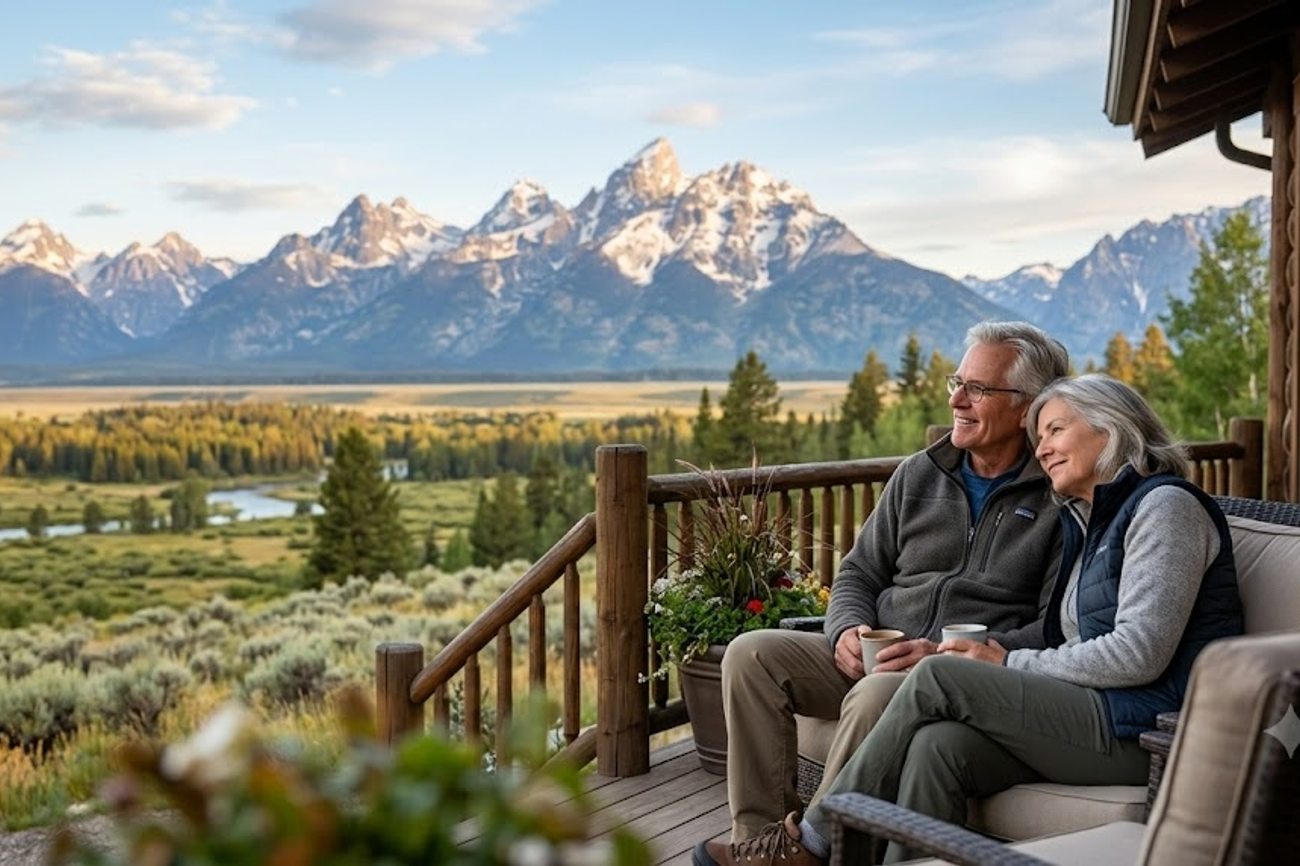
Image generated by AI
title: Wyoming Emerges as Retirement Alternative to Florida Amid Demographic Shift date: 2024-05-22 category: Global Travel and Aviation tags: [Wyoming Retirement 2024, Florida Migration Trends, US Census Bureau, Retirement Demographics, Yellowstone National Park]
[Washington, D.C., May 2024] — A demographic pivot is underway across the United States as 61.2 million Americans aged 65 and older are redefining their ideal retirement destinations, with Wyoming emerging as a primary alternative to traditional hubs like Florida. This shift reflects a broader trend where retirees are prioritizing affordability, lower population density, and access to wilderness over traditional coastal living.
Data released by the U.S. Census Bureau confirms that the 65+ age bracket now constitutes 18% of the total U.S. population. This segment grew by 3.1% between 2023 and 2024, significantly outpacing the growth of the working-age population (18 to 64), which rose by only 1.4% from 2020 to 2024. The rapid expansion of this demographic is fundamentally altering the national housing market and the demand for regional healthcare infrastructure.
The Catalyst for Migration Shifts
The primary driver of this migration trend is the aging of the Baby Boomer generation combined with increased life expectancy. Between 2004 and 2024, the proportion of the U.S. population aged 65 and above climbed from 12.4% to 18%. This surge has forced a reconsideration of what constitutes a "retirement haven."
While Florida has long dominated the market, retirees are now weighing their options based on a more personalized set of criteria. The shift is triggered by a desire for long-term financial security and a move away from overcrowded urban centers. Specifically, the rising costs of homeowners insurance and escalating real estate prices in coastal regions are pushing older adults toward the interior of the country.
Markets and Destinations Impacted
The movement of millions of retirees is creating a divide between traditional "Sun Belt" destinations and emerging "Mountain West" and "Mid-South" alternatives.
| Region/State | Primary Appeal | Key Draw Factors |
|---|---|---|
| Wyoming | Nature & Tranquility | No state income tax, low population density, mountain landscapes |
| Florida | Climate & Infrastructure | No state income tax, coastal access, established senior communities |
| South Dakota | Affordability | Lower cost of living, rural lifestyle |
| Tennessee | Financial Incentives | Tax advantages, balanced climate |
| North Carolina | Lifestyle Balance | Mixed geography, healthcare availability |
Wyoming, in particular, is positioning itself as a sanctuary for active retirees. The state's draw is heavily linked to its proximity to world-class natural landmarks, including Yellowstone National Park and Grand Teton National Park. For a growing segment of the 61.2 million seniors, the ability to engage in hiking, fishing, and wildlife viewing outweighs the appeal of tropical beaches.
What This Means for Travelers
For those planning a move or visiting these regions, the shift in retiree demographics has immediate practical implications:
Housing Availability: The influx of retirees into states like Wyoming is increasing demand for low-density housing and retirement-specific developments. Travelers looking for short-term rentals or prospective buyers may find tighter inventory in rural mountain towns.
Healthcare Access: While Florida boasts expansive, mature healthcare networks designed for seniors, Wyoming’s infrastructure is more limited in rural areas. Retirees moving to the Mountain West must carefully map out their proximity to specialized medical facilities.
Cost of Living: The "Florida Model" is facing pressure from rising insurance premiums and property taxes. In contrast, Wyoming offers a high degree of financial predictability due to the absence of state income tax and generally lower-density market competition.
Seasonal Logistics: Travelers moving from Florida to Wyoming must prepare for a total climate inversion. While Florida offers year-round warmth, Wyoming retirees face harsh winters that impact local transportation and accessibility.
The Future of Retirement Infrastructure
The current trend is not a temporary spike but a long-term demographic trajectory. Projections indicate that the 65+ population will continue to grow, necessitating a massive scale-up in "retirement-friendly" amenities across the American West.
States are now competing to attract this wealthy demographic by developing targeted healthcare infrastructure and lifestyle-focused amenities. This competition is expected to drive investment into rural roads, regional airports, and specialized medical clinics in previously overlooked states.
As the preference for "personalized retirement" grows, the monopoly held by coastal states is eroding. The future of American retirement is diversifying, moving away from a one-size-fits-all beach community model toward a variety of environments that balance financial solvency with personal passion—whether that be the coastlines of the Atlantic or the peaks of the Rockies.
FAQ: U.S. Retirement Trends 2024
Why is Wyoming gaining popularity over Florida? Wyoming appeals to retirees seeking lower population density, no state income tax, and direct access to outdoor recreation like Yellowstone. Florida remains popular for its warmth and infrastructure, but rising insurance and housing costs are driving some seniors toward the Mountain West.
How much has the U.S. senior population grown recently? According to the U.S. Census Bureau, the population aged 65 and older reached 61.2 million in 2024. This group grew by 3.1% between 2023 and 2024, representing 18% of the total U.S. population.
What are the main financial advantages of Wyoming and Florida? Both states offer a significant tax advantage by having no state income tax. This makes both locations attractive for retirees living on fixed incomes or managing private pensions.
What is the biggest trade-off when choosing Wyoming over Florida? The primary trade-off is climate and healthcare. Florida offers year-round warmth and dense healthcare networks, whereas Wyoming has severe winters and more limited medical access in its rural, low-density communities.
The American retirement map is being redrawn as the pursuit of peace replaces the pursuit of the sun.
Related Travel Guides
Disclaimer
This article is for informational and educational purposes only. It does not constitute legal, financial, or professional advice. While we strive to provide accurate and up-to-date information, travel policies, regulations, and conditions change rapidly. Always verify information with official sources before making travel decisions. Nomad Lawyer makes no representations about the accuracy, reliability, completeness, or suitability of the information provided. Readers should consult qualified professionals for advice specific to their circumstances. The views expressed in this article are those of the author and do not necessarily reflect the views of Nomad Lawyer.
Preeti Gunjan
Contributor & Community Manager
A passionate traveller and community builder. Preeti helps grow the Nomad Lawyer community, fostering engagement and bringing the reader experience to life.
Learn more about our team →