
Mexico Tourism Surges Past 5% Growth Driven by Pan-American Demand and 2026 World Cup
Mexico records a 5.5% rise in international arrivals for early 2026, fueled by US demand, South American connectivity, and FIFA World Cup preparations.
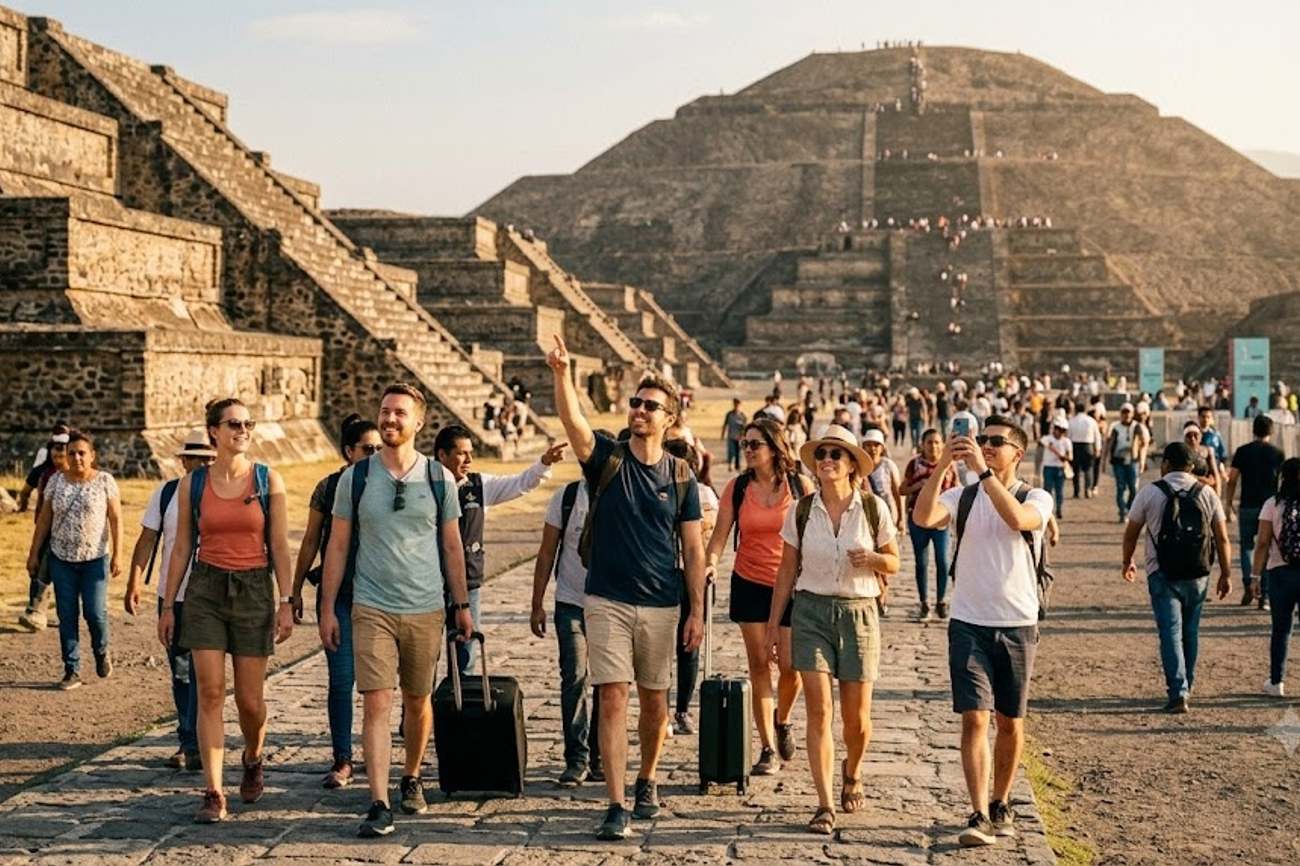
Image generated by AI
Pan-American Demand Fuels Tourism Expansion
Mexico is entering a high-growth phase in 2026, with international visitor numbers increasing by 5.5% between January and April. According to UN Tourism data, this trajectory is supported by a diversified network of markets across the Americas, reducing reliance on any single source and broadening the destination's appeal.
The growth is not merely a result of organic demand but a combination of increased regional cooperation and an expanded aviation network. By improving air access and leveraging shared cultural ties, Mexico has successfully attracted a wider demographic of travelers from North and South America.
The upcoming 2026 FIFA World Cup serves as a primary catalyst for this momentum. The tournament is driving significant infrastructure upgrades and increasing global visibility, positioning Mexico as a premier tourism hub.
United States: The Primary Growth Engine
The US remains the most critical partner for the Mexican tourism sector. Proximity and high-frequency flight paths ensure a steady flow of visitors seeking a variety of experiences, from luxury beach resorts to urban business hubs.
Key US-driven demand centers include:
- Leisure Hubs: Cancún, Riviera Maya, Los Cabos, and Puerto Vallarta.
- Urban Centers: Mexico City remains a top draw for gastronomy and cultural tourism.
- Travel Motivations: High demand for family vacations, adventure travel, and luxury wellness.
The 2026 World Cup is expected to create a "multiplier effect," where sports fans visiting host cities—specifically Mexico City, Guadalajara, and Monterrey—extend their stays to explore heritage sites and culinary landmarks.
Canadian Winter Demand and Resort Stability
Canada continues to be a cornerstone of Mexico's tourism stability, particularly through the winter months. The demand is primarily concentrated in all-inclusive resorts and wellness retreats where year-round sunshine is the main draw.
Canadian travelers are heavily concentrated in the Riviera Maya, Cancún, Los Cabos, Puerto Vallarta, and Mazatlán. The ability of Mexico to provide premium, competitive pricing for long-stay holidays has solidified its position as the preferred winter escape for Canadians.
South American Market Penetration: Argentina, Brazil, and Colombia
Mexico is seeing a strategic shift in its visitor profile with a marked increase in high-value travelers from South America.
Argentina and Colombia Argentina has emerged as a vital partner, with travelers drawn by shared linguistic and historical ties. Destinations like Oaxaca and Mexico City are seeing increased Argentine traffic. Similarly, Colombia is expanding its footprint through improved regional air connectivity, focusing on Maya heritage and historic urban centers.
Brazil The Brazilian market is characterized by a preference for luxury and personalized experiences. Mexico is specifically targeting high-net-worth Brazilian travelers interested in premium resorts and high-end gastronomy in the Riviera Maya and the capital.
Tourism Growth Drivers 2026
| Key Tourism Growth Driver | Impact On Mexico Tourism In 2026 |
|---|---|
| United States demand | Largest source market supporting leisure and event tourism |
| Canada travel growth | Strong winter tourism and resort demand |
| Argentina market expansion | Growing Latin American visitor flows |
| Colombia connectivity | Increased regional tourism movement |
| Brazil demand | High-value cultural and leisure travellers |
| Chile and Peru markets | Expanding South American tourism links |
| Aviation expansion | Easier access to Mexican destinations |
| FIFA World Cup 2026 | Global visibility and increased travel interest |
Key Takeaways
- Early Growth: International arrivals grew by 5.5% from January to April 2026.
- Diversification: While the US remains the leader, growth from Argentina, Brazil, and Colombia is diversifying the visitor base.
- Event-Driven Travel: The 2026 FIFA World Cup is acting as a catalyst for infrastructure investment and sports-related tourism.
- Connectivity: Expanded airline routes across the Americas are lowering barriers to entry for regional travelers.
FAQ
Which cities will benefit most from the 2026 World Cup? Mexico City, Guadalajara, and Monterrey are the primary host cities expected to see the highest influx of sports tourists.
What is driving the increase in South American visitors? Growth is driven by improved air connectivity and shared cultural, linguistic, and historical connections, particularly with Argentina and Colombia.
Which regions are most popular for Canadian tourists? The Riviera Maya, Cancún, Los Cabos, Puerto Vallarta, and Mazatlán remain the top choices for Canadian winter escapes.
Related Travel Guides
Disclaimer
This article is for informational and educational purposes only. It does not constitute legal, financial, or professional advice. While we strive to provide accurate and up-to-date information, travel policies, regulations, and conditions change rapidly. Always verify information with official sources before making travel decisions. Nomad Lawyer makes no representations about the accuracy, reliability, completeness, or suitability of the information provided. Readers should consult qualified professionals for advice specific to their circumstances. The views expressed in this article are those of the author and do not necessarily reflect the views of Nomad Lawyer.